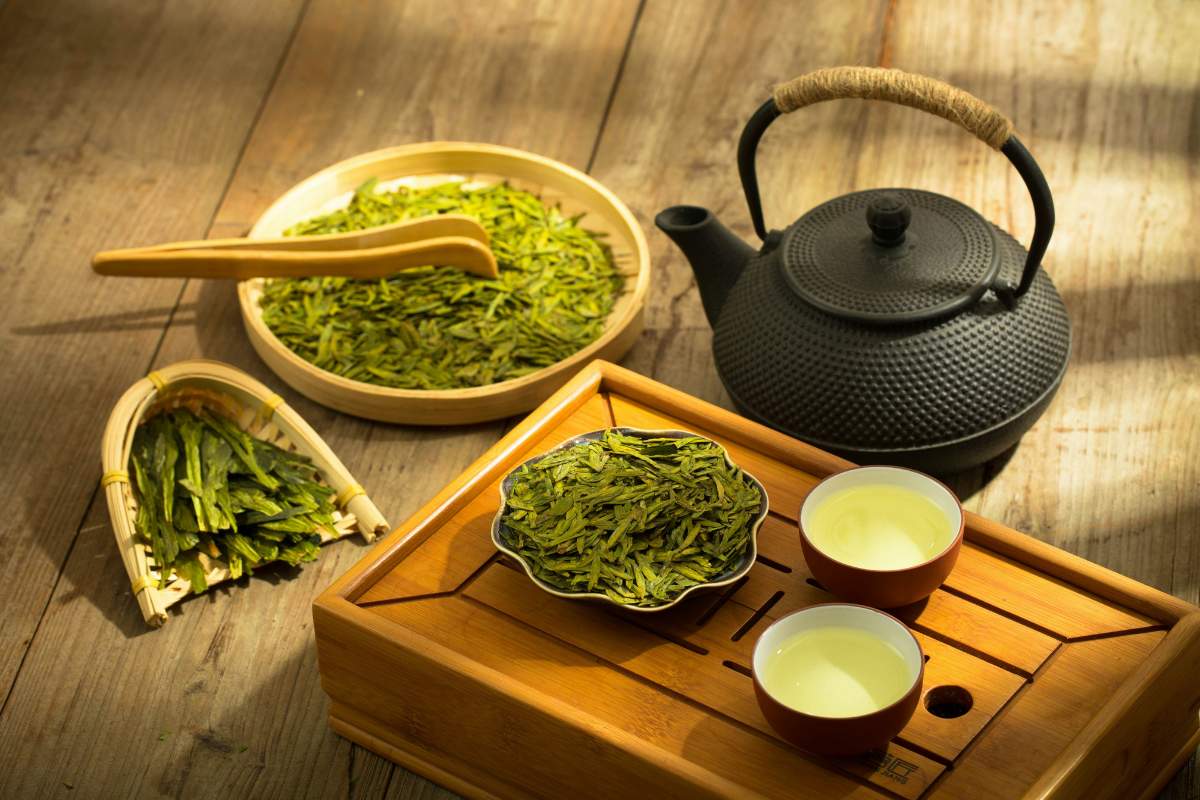

Exploring what does green tea taste like is like discovering a range of subtle flavors rather than just one note. Depending on the type, it can feel light and crisp, slightly vegetal, or even smooth with a gentle sweetness that lingers.
The taste also shifts with brewing temperature and time, making each cup a little different. For a deeper understanding of these nuances and how to brew it well, you can learn more through a TeaKoe-inspired guide.
1. What Does Green Tea Taste Like?
Green tea offers a fresh, clean flavor that is often described as slightly grassy with a delicate natural sweetness. Depending on the variety, it can have a smooth, vegetal note balanced by a light astringency.
When brewed correctly, the taste feels refreshing and soft, while over-steeping may bring out a mild bitterness. This balance of freshness and subtle depth is what makes green tea unique and widely enjoyed.
2. What Affects the Taste of Green Tea?
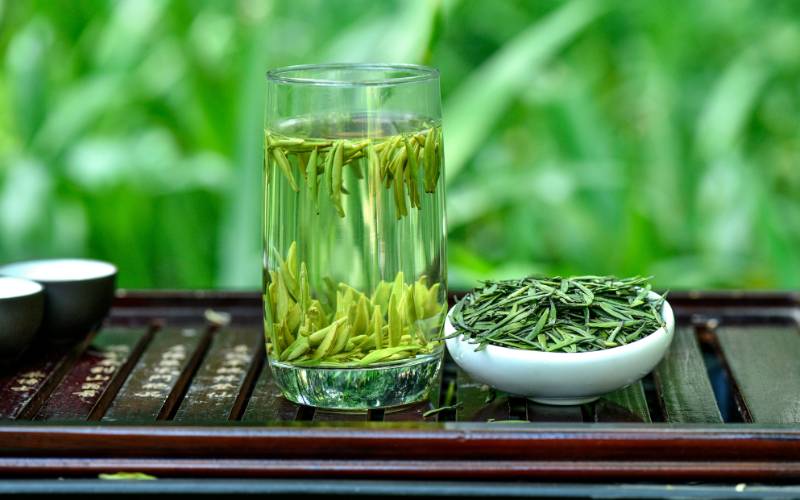
Many factors shape the final flavor of green tea, making each cup slightly different. To better understand what does green tea taste like, it’s important to look beyond the leaves and consider how the tea is grown, processed, and prepared.
Leaf Quality and Harvest Time
The quality of tea leaves plays a key role in shaping flavor. Younger leaves, especially those from early harvests, tend to produce a smoother, sweeter, and more delicate taste.
These tender leaves contain higher levels of amino acids, which contribute to a softer and more refined flavor profile. This is why discussions around what does green tea taste like often highlight early harvest teas as cleaner and more balanced.
In contrast, older leaves can create a stronger and slightly more bitter taste, especially in lower-grade varieties.
Growing Conditions
The surroundings in which the tea plants grow have a huge influence on the flavor of the tea that is produced. The chemical makeup of the soil, the weather, the elevation, and even the amount of sunlight all contribute to how the flavors form inside the leaves.
Tea plants cultivated in colder climates or at higher elevations generally contain more complex flavors. Shade-grown tea contains an increased amount of amino acids, providing a deeper umami flavor.
Sunlight-grown tea generally tastes more like grass and has a sharp flavor.
Processing Methods
Processing techniques define much of the character of green tea, which helps explain what does green tea taste like.
In Japan, steaming is commonly used to preserve the tea’s natural color and create a fresh, vegetal, and slightly sweet taste. This method enhances the bright and clean profile that many people enjoy.
In China, pan-firing is more common, which gives the tea a warmer, nuttier, and sometimes toasty flavor. Even when using similar leaves, different processing styles can completely change the overall taste experience.
Brewing Technique
How you prepare green tea can dramatically affect its flavor. Water temperature, steeping time, and the amount of tea used all play important roles in the final result. Using water that is too hot can release excessive bitterness and overpower delicate notes.
On the other hand, proper brewing helps highlight the tea’s natural sweetness and smooth texture. A well-prepared cup will taste balanced, clean, and refreshing without harshness.
>>> Read more: How to Prepare Green Tea: Step-by-Step Guide for Perfect Flavor
3. Who is Likely to Enjoy Green Tea?
If you’re wondering what does green tea taste like, it offers a unique flavor that may not appeal to everyone at first, but many people grow to appreciate its subtle complexity.
Its light, refreshing profile and health benefits make it especially attractive to certain groups of tea drinkers.
People Who Prefer Light and Refreshing Flavors
Those who enjoy delicate, clean-tasting beverages are more likely to appreciate green tea.
If you’re asking what does green tea taste like, its mild sweetness and gentle vegetal notes create a refreshing experience without the heaviness found in stronger drinks.
Unlike bold black tea or coffee, green tea feels lighter on the palate, making it ideal for everyday sipping. This group often values balance and subtlety over intensity.
For these individuals, green tea becomes an easy choice for staying hydrated while still enjoying flavor. Its smooth finish and low bitterness, when brewed properly, offer a calming and pleasant drinking experience throughout the day.
Health-Conscious Individuals
People who prioritize wellness are often drawn to green tea for its natural antioxidants and potential health benefits. For those asking what does green tea taste like, it’s often described as light, clean, and refreshing, qualities that support a balanced lifestyle.
Compared to sugary drinks or high-caffeine beverages, green tea provides a cleaner and more balanced option. This group typically looks for beverages that align with a healthy lifestyle.
Green tea fits well into daily routines, offering both functional benefits and a light, enjoyable taste without unnecessary additives.
People Sensitive to Strong Caffeine
Individuals who want a gentle energy boost without the intensity of coffee may find green tea a better option, which also helps answer what does green tea taste like.
It contains less caffeine than black tea or coffee, providing a more stable and gradual increase in alertness. This makes it suitable for those who are sensitive to strong stimulants.
Instead of causing jitteriness, green tea often delivers a calmer sense of focus. This balanced effect makes it a preferred choice for people who want to stay energized without feeling overwhelmed.
Those Interested in Exploring Tea Culture
People who enjoy discovering new flavors and traditions are likely to appreciate green tea. With a wide variety of styles from different regions, it offers a rich and diverse tasting experience.
Each type presents its own unique aroma, texture, and flavor profile. For curious drinkers, green tea opens the door to a deeper appreciation of tea culture.
From Japanese matcha to Chinese loose-leaf varieties, exploring green tea can become both an enjoyable and educational journey.
>>> Related blog: Does Green Tea Help with Bloating? Benefits and How to Use It
4. Some Notes to Improve Green Tea Taste
If you’re wondering what does green tea taste like, a great cup doesn’t just depend on the leaves. It also comes down to how you prepare and handle it.
Small adjustments in brewing and storage can make a noticeable difference in flavor, helping you avoid bitterness and bring out natural sweetness.
- Use a lower water temperature, around 70-80°C to prevent burning the leaves and creating a bitter taste
- Avoid over-steeping, 1-3 minutes is usually enough for a smooth and balanced flavor
- Choose high-quality loose-leaf tea instead of tea bags for better aroma and depth
- Measure the right tea-to-water ratio to maintain proper strength without overpowering notes
- Use fresh, filtered water to keep the taste clean and free from unwanted flavors
- Store tea in an airtight container away from light, heat, and moisture to preserve freshness
- Try multiple infusions, as later brews can reveal softer and more complex flavors
5. FAQs about Green Tea Flavours
To better understand what does green tea taste like, let’s go through some common FAQs.
What does matcha green tea taste like?
Matcha has a rich, creamy taste with a strong umami character and a natural sweetness.
Because you consume the entire powdered leaf, the flavor is more concentrated than regular green tea. It can also have a slight bitterness if not prepared properly.
What does Jasmine green tea taste like?
Jasmine green tea is light, floral, and fragrant with a gentle sweetness. The jasmine blossoms infuse the tea with a soft, aromatic note that balances the grassy base of green tea. It’s often smoother and more approachable for beginners.
What does Arizona green tea taste like?
Arizona green tea is sweet, mild, and more like a flavored beverage than traditional tea. It often includes added sugar and artificial flavors, which mask the natural grassy notes of green tea. This makes it taste smoother but less authentic.
What does Sencha green tea taste like?
Sencha has a fresh, grassy flavor with a hint of sweetness and mild astringency. It often carries subtle umami notes and a clean, refreshing finish. The taste can vary depending on quality and brewing method.
Does green tea affect Adderall?
Green tea contains caffeine, which can enhance stimulant effects when combined with medications like Adderall. This may increase side effects such as restlessness or a faster heart rate. It’s best to consult a healthcare professional before combining them regularly.
How do you drink green tea if you don’t like the taste?
Start with milder varieties like jasmine or flavored green teas to ease into the taste. Adjust brewing time and temperature to reduce bitterness, and consider adding natural ingredients like honey or lemon.
Over time, your palate may adapt and appreciate the subtle flavors more.
6. Final Words
Green tea offers a wide range of flavors, from fresh and grassy to smooth, sweet, or even umami-rich, depending on the type and preparation. Finding the right balance comes down to choosing quality leaves and brewing them properly.
Over time, your taste can adapt, allowing you to enjoy its subtle complexity more fully. If you’re still curious about what does green tea taste like, TeaKoe offers helpful guides and insights to support your exploration and find what suits you best.