
Tea is often seen as a long-lasting pantry staple, but many people still wonder does tea go bad and how storage affects its quality over time. While tea does not spoil in the same way as perishable foods, its flavor, aroma, and freshness can gradually decline if not stored correctly.
For a deeper look into proper storage methods and freshness tips, you can explore detailed guides from TeaKoe to keep your tea in optimal condition.
1. Does Tea Go Bad?
Does tea go bad? Tea does not spoil like perishable foods, but it does gradually lose its freshness over time. Factors such as air exposure, humidity, heat, and light can break down the natural compounds that give tea its flavor and aroma.
As a result, even if the tea is still safe to drink, it may taste weaker and less enjoyable than when it was first opened.
2. How Long Does Tea Last?
Shelf life varies depending on the type of tea and how it is stored, so understanding these differences helps you maintain better quality over time.
While tea rarely becomes unsafe, its freshness and flavor can change significantly if kept for too long or exposed to poor conditions.
- Loose-leaf tea: Usually stays fresh for about 6 to 12 months when stored in an airtight container away from light and moisture.
- Tea bags: Typically last around 12 to 18 months due to their sealed packaging, but they can lose strength over time.
- Brewed tea: Best consumed within 24 hours if refrigerated properly. Leaving brewed tea at room temperature for too long can affect both taste and safety.
3. What Happens If You Drink Expired Tea?
Curiosity often comes up when an old tea box is found in the pantry, especially if it still looks and smells acceptable.
- Loss of flavor and aroma: Most expired tea simply tastes flat or dull because the natural oils have faded.
- Weaker nutritional value: Antioxidants and beneficial compounds gradually break down over time.
- Possible stale or off taste: Improper storage can lead to exposure to moisture or air, causing the tea to develop a slightly musty or unpleasant flavor.
- Risk of contamination: In rare cases, especially if tea has been exposed to humidity, mold or bacteria can develop.
>>> Read more: How Many Calories Are In A Twisted Tea? A Surprising Fact
4. How to Store Tea Properly (Expert Tips)
Keeping tea fresh is less about complicated methods and more about controlling the environment it is stored in.
Keep Tea in an Airtight Container
Exposure to air is one of the main reasons tea loses its freshness over time. Using an airtight container helps protect the leaves from oxygen, which can break down essential oils and reduce flavor intensity.
Glass jars with tight seals or high-quality tins work well, as long as they are properly closed after each use.
Store Away from Light and Heat
Light and heat can speed up the degradation process of tea, causing it to lose both color and flavor. Keeping tea in a cool, dark place such as a cupboard or pantry is ideal for preserving its quality.
Direct sunlight or placing tea near a stove can significantly shorten its shelf life. A stable environment with minimal temperature changes ensures that the tea retains its natural characteristics for a longer period.
Avoid Moisture Exposure
Moisture is one of the biggest threats to tea, as it can lead to clumping, loss of flavor, or even mold growth. Always store tea in a dry area and avoid using wet spoons or hands when handling it.
Kitchens can be humid, so placing tea away from sinks or steam sources is important. Keeping the tea completely dry helps preserve both its texture and safety for consumption.
Keep Tea Away from Strong Odors
Tea leaves are highly absorbent and can easily take on surrounding smells if not stored properly.
Keeping tea away from spices, coffee, or strong-smelling foods helps prevent unwanted flavor changes. Using a dedicated container ensures that the tea retains its original taste profile.
5. Common FAQs about Tea Storage
Questions about tea storage often come up when people want to keep their drinks tasting fresh without wasting unused tea.
Does loose leaf tea go bad?
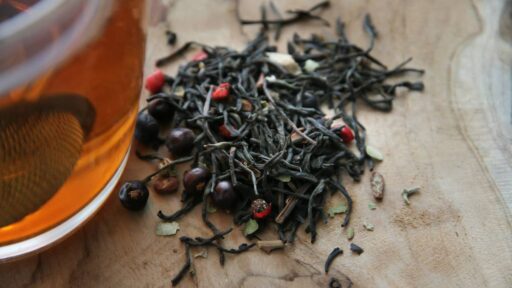
Loose leaf tea does not spoil quickly, but it can lose its flavor and aroma over time if not stored properly.
Exposure to air, light, and moisture will gradually reduce its quality, making the tea taste flat or dull. Keeping it in an airtight container in a cool, dry place helps extend its freshness significantly.
Does green tea go bad?
Green tea is more delicate than other types and tends to lose its freshness faster. Its natural compounds can break down quickly, especially when exposed to heat or light, leading to a less vibrant taste.
Proper storage in a sealed container away from sunlight helps preserve its flavor for a longer period.
Does tea bags go bad?
Tea bags can last quite a long time due to their sealed packaging, but they are not immune to quality loss.
Over time, the tea inside may become weaker and less aromatic, especially if exposed to air or humidity. While still safe to drink in most cases, older tea bags may not deliver the same satisfying flavor.
Does sweet tea go bad?
Sweet tea has a much shorter shelf life compared to dry tea because it is already brewed and often contains sugar.
When left at room temperature for too long, it can develop bacteria and spoil quickly. Storing it in the refrigerator and consuming it within 24 to 48 hours helps maintain both safety and taste.
6. Final Thoughts
Knowing how tea changes over time gives you more control over both taste and quality in every cup you prepare. Even though tea does not expire in the traditional sense, its freshness depends heavily on how it is stored and handled.
If you are still wondering does tea go bad, choosing well-sourced options and exploring trusted selections from TeaKoe can help you enjoy tea at its best every time.