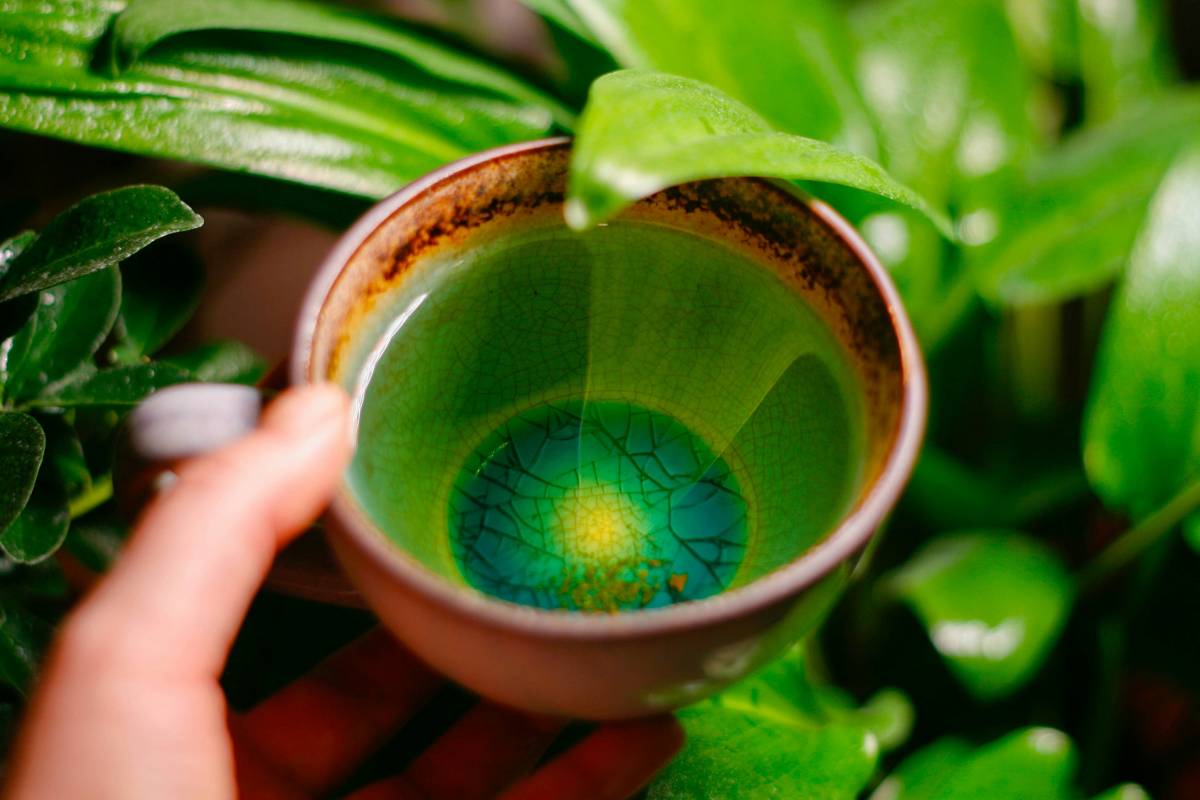

Achieving a smooth and refreshing cup requires more than just pouring hot water over tea leaves, as each step influences the final taste. Many common mistakes can lead to bitterness or a flat aroma.
By understanding how to prepare green tea with the right balance of temperature, timing, and leaf quality, you can bring out its natural character. Following TeaKoe’s recommended approach helps ensure a consistently clean, well-rounded flavor in every cup.
1. What You Need to Prepare Green Tea Quickly
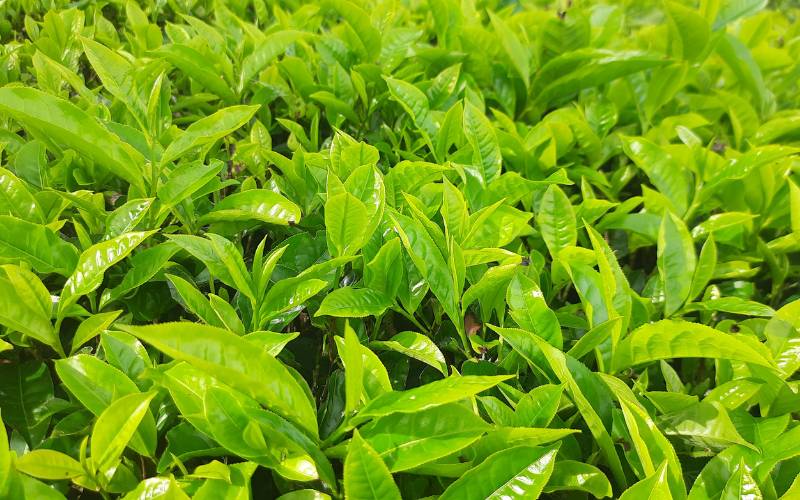
Preparing green tea doesn’t require complicated tools, which is helpful when understanding how to prepare green tea properly.
Having the right essentials makes the process easier and more consistent, and a simple setup with proper measurements can help you achieve a smooth and balanced cup every time.
| Item | Type | Recommended Amount |
| Green tea | Ingredient | 2-3 grams (1 tsp) |
| Water | Ingredient | 200-250 ml |
| Teapot / cup | Tool | 1 |
| Tea infuser | Tool | 1 |
| Kettle | Tool | 1 |
| Thermometer | Optional | 1 (70-80°C) |
>>> Read more: Does Green Tea Dehydrate You? Is It Water Or Not?
2. How to Prepare Green Tea (Simple Guide)
Preparing green tea correctly helps maintain its natural flavor and prevents bitterness caused by high temperature or over-steeping. Using the right brewing method ensures a smoother and more balanced cup, as recommended by tea preparation guidelines.
- Boil water, then let it cool to around 70-80°C to avoid burning the delicate leaves.
- Add green tea (about 1 teaspoon of loose leaves or 1 tea bag) to your cup or teapot.
- Pour the hot water gently over the tea to begin the infusion process.
- Steep for 2-3 minutes to keep the flavor light and balanced without becoming bitter.
- Remove the tea leaves or tea bag once the desired strength is reached.
- Serve immediately and enjoy the fresh, clean taste.
3. How to Prepare Matcha Green Tea: Clear Steps
Matcha is prepared very differently from regular green tea, as it uses finely ground powder instead of steeping leaves.
For those exploring how to prepare matcha green tea powder, the key is to mix and whisk the powder directly into water for a smooth, frothy result.
- Sift 1-2 teaspoons of matcha powder into a bowl to remove clumps and ensure a smoother texture.
- Add a small amount of hot water (around 70-80°C) to preserve the natural flavor and avoid bitterness.
- Whisk quickly in a zigzag motion until the mixture becomes smooth and lightly frothy.
- Add more water to adjust the strength and texture based on your preference.
- Serve immediately to enjoy the best flavor and consistency.
Matcha is completely different from tea leaves. Instead of steeping and discarding, you consume the entire leaf in powdered form, which creates a richer flavor and a fuller texture.
4. Helpful Tips for Better Green Tea Flavor
If you’re learning how to prepare green tea, small changes in preparation can significantly improve its taste. Paying attention to a few key details will help you bring out its natural sweetness while keeping the flavor smooth and balanced.
- Use water at 70-80°C instead of boiling to avoid burning the leaves
- Keep steeping time short (2-3 minutes) to prevent bitterness
- Choose high-quality loose-leaf tea for richer flavor and aroma
- Use fresh, filtered water to maintain a clean taste
- Adjust the tea-to-water ratio for a well-balanced cup
- Warm your cup or teapot before brewing to keep the temperature stable
- Re-steep the leaves to enjoy lighter, more delicate flavors in later infusions
- Avoid covering the tea while steeping if it’s a delicate green tea, as too much heat retention can intensify bitterness
- Store your tea properly in an airtight container away from light, heat, and moisture to preserve freshness
- Try cold brewing green tea for a smoother, less bitter flavor with naturally lower caffeine levels
5. FAQs about Preparing Green Tea
Preparing green tea the right way often comes with practical questions, which is common when understanding how to prepare green tea for different purposes. Here are clear, reliable answers to help you make better decisions when enjoying green tea.
Can you drink green tea while taking rosuvastatin?
There is no strong evidence of interaction with rosuvastatin, but moderation is still recommended. Drinking excessive amounts may influence how the body absorbs or processes certain compounds.
For safety, it’s best to keep intake at a moderate level and seek advice from a healthcare professional if you have specific concerns or ongoing treatment.
How to prepare green tea for dogs?
It is not recommended for dogs due to its caffeine content, which can affect their nervous system even in small amounts. Smaller breeds tend to be more sensitive and may show stronger reactions.
Regular exposure should be avoided to ensure safety. For any health-related use, a veterinarian’s guidance is necessary before adding it to their routine.
Can type 2 diabetics drink green tea?
Yes, green tea can be a suitable beverage for people with type 2 diabetes when consumed without added sugar. It may help support better blood sugar control and contribute to overall metabolic health.
However, it should not be relied on as a primary solution. Instead, it works best as part of a balanced diet and lifestyle plan guided by a healthcare professional.
How to prepare green tea for weight loss?
For weight management, green tea should be brewed without sugar or sweeteners. Use a lower water temperature and steep for 2-3 minutes to keep the flavor smooth and easy to drink regularly.
Consistency matters more than strength, so drinking it daily alongside a balanced diet is more effective than making it overly strong.
Does green tea lower ferritin levels?
Yes, polyphenols in this beverage can reduce iron absorption, which, over time, may influence ferritin levels if intake is excessive.
The effect is more noticeable in individuals with low iron stores. To limit this impact, it’s better to separate consumption from meals and keep overall intake at a moderate level.
6. Final Words
Mastering how to prepare green tea comes down to a few simple but important steps. Using the right water temperature, timing your steep, and choosing quality leaves. Small adjustments can make a big difference in flavor, helping you avoid bitterness and bring out the tea’s natural sweetness.
With a little practice, you can create a smooth, balanced cup every time and turn green tea into a consistent, enjoyable part of your daily routine.