



Bloating can make you feel uncomfortable and sluggish, especially after meals or during busy days. Many people turn to natural remedies and begin to wonder, does green tea help with bloating, and if it’s truly effective?
Known for its light, soothing properties, green tea may support digestion and reduce discomfort. In this guide, TeaKoe explores how it works and how you can use it more effectively in your daily routine.
1. Does Green Tea Help with Bloating and Gas?
Yes, green tea can help reduce bloating and gas for some individuals thanks to its natural combination of antioxidants and mild caffeine.
Compounds like catechins work to soothe inflammation in the digestive system, while mild caffeine in green tea may gently support digestion by encouraging the movement of food in the digestive tract. This process can reduce the buildup of gas and ease that uncomfortable, heavy feeling after eating.
Many people still ask Does drinking green tea help with bloating?, and in most cases, it can when used consistently.
Drinking two to three cups per day, especially between meals, may support gut health, improve digestion, and gradually reduce bloating over time without feeling too strong or overwhelming.
2. When to Drink Green Tea for Bloating Relief
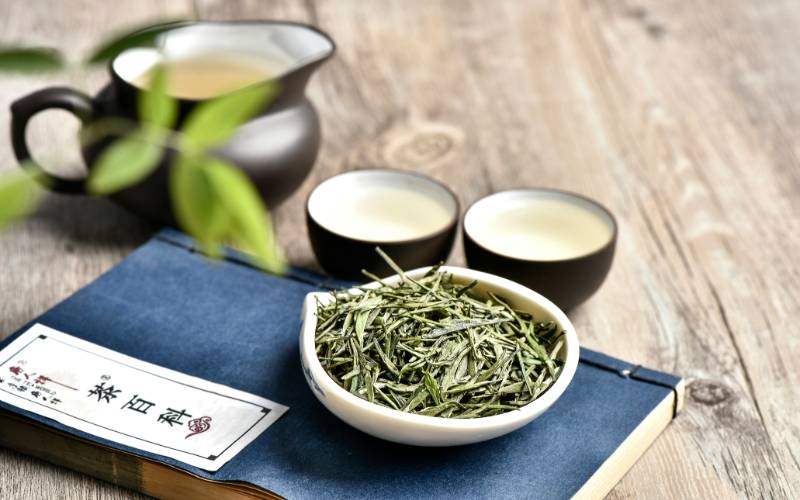
Timing can make a noticeable difference when using green tea to ease bloating. Drinking it at the right moments helps your body absorb its benefits more effectively and supports smoother digestion throughout the day.
After meals
Drinking green tea after meals can help your body digest food more smoothly and reduce the feeling of heaviness.
Its natural compounds support gut movement and may help prevent gas from building up, especially after large or oily meals.
For best results, wait about 20-30 minutes after eating before drinking. This allows digestion to begin naturally while still benefiting from the tea’s soothing effect, helping you feel lighter and more comfortable.
In the morning
Drinking green tea in the morning can gently activate your digestive system and help your body ease into the day. Its mild caffeine delivers a subtle energy boost without the harsh effects of coffee, making it a more comfortable option for your stomach.
It can also help relieve any bloating that builds up overnight by encouraging smoother digestion early on. Starting your morning with a warm cup supports better gut balance and helps you feel lighter, more refreshed, and ready for the day ahead.
Avoid late night
Enjoying green tea late in the evening is usually not the best choice, especially if you are sensitive to caffeine.
Even a small amount can disrupt your sleep cycle, making it harder for your body to rest properly and affecting how your digestion functions the next day.
When sleep quality is reduced, your digestive system may slow down, which can lead to increased bloating and discomfort.
To get the most benefits, it’s better to drink it earlier in the day so your body has enough time to relax and recover overnight.
>>> Read more: Does Herbal Tea Have Caffeine? The Truth About Your Brew
3. Who Should Be Careful with Green Tea?
Green tea is often seen as a gentle, healthy choice, but it may not suit everyone in the same way. Understanding who should limit or adjust their intake can help you avoid unwanted side effects and use it more wisely.
People Sensitive to Caffeine
Although green tea contains less caffeine than coffee, it can still affect individuals who are sensitive to stimulants.
Even small amounts may lead to restlessness, slight anxiety, or trouble falling asleep, especially if consumed later in the day. These effects can make it harder for your body to fully relax and recover.
For those with lower caffeine tolerance, reducing intake or opting for lighter brews is a smarter approach.
While many people wonder does green tea help with bloating, the benefits are best experienced when your body responds comfortably to its caffeine content.
Individuals with Stomach Sensitivity
Drinking this type of tea on an empty stomach may cause discomfort for some individuals.
Its natural compounds can stimulate acid production, which sometimes leads to nausea, a slight burning sensation, or mild irritation, especially for those with sensitive digestion.
To avoid this, it’s better to enjoy it after meals or alongside food. This simple habit helps protect your stomach while still allowing you to benefit from its digestive support, making the experience more comfortable and easier to maintain over time.
People Taking Certain Medications
Certain medications may interact with compounds found in green tea, particularly those related to blood pressure, heart conditions, or iron absorption.
These interactions can affect how nutrients or medications are processed in the body, potentially reducing their effectiveness or altering how they work.
For anyone taking medication on a regular basis, checking with a healthcare professional before adding it to a daily routine is a safer approach. This helps ensure you can still enjoy its benefits without unintentionally affecting your treatment or overall health.
Pregnant or Nursing Individuals
During pregnancy or while breastfeeding, it’s important to keep an eye on caffeine intake.
Although green tea is considered mild, drinking too much may not be ideal during this stage, as even small amounts of caffeine can affect both mother and baby over time.
A more mindful approach is to keep portions small or switch to low-caffeine options when possible.
This way, you can still enjoy it occasionally without exceeding recommended limits, helping maintain a balanced and safer routine during this sensitive period.
>>> Read more: Does Twisted Tea Have Alcohol? What’s Inside This Popular Drink
4. Top Questions Answered about Green Tea For Bloating
Bloating is a common issue, and many people look for simple, natural ways to feel better. Here are clear answers to some of the most frequently asked questions to help you understand what works and what to expect.
Does green tea help with digestion and bloating?
Yes, it can support digestion thanks to its antioxidants and mild caffeine content. These compounds help stimulate the digestive system and reduce inflammation, which may ease bloating over time. Drinking it regularly in moderate amounts often brings the best results.
Does iced green tea help with bloating?
Iced versions can still provide similar benefits, but warm tea is usually more effective for digestion. Cold drinks may slow down digestive processes for some people, especially after meals. For better results, warm green tea is generally the preferred option.
Is green tea better than peppermint tea for bloating?
Both can help, but they work differently. Green tea supports digestion and metabolism, while peppermint tea is known for relaxing the digestive tract and reducing gas quickly. The better choice depends on your specific symptoms and how your body responds.
How do I debloat my stomach ASAP?
For quick relief, focus on simple habits like drinking warm fluids, moving your body lightly, and avoiding heavy or salty foods. Herbal teas, including green tea, can help support digestion and reduce discomfort. Staying hydrated and eating mindfully can also prevent bloating from building up.
5. Final Words
Bloating doesn’t have to be something you simply put up with every day.
With a few mindful choices, like adjusting when and how you enjoy your tea, you can support a lighter and more comfortable digestive routine.
If you’ve been asking does green tea help with bloating, the answer becomes clearer when it’s used consistently and in the right way.
Small habits often lead to the biggest changes over time.
For a more refined and natural experience, TeaKoe offers premium teas that let you enjoy better flavor while supporting your daily well-being.