
Preparing matcha at home is both a calming ritual and a practical way to enjoy a clean, energizing drink with rich flavor. Learning how to make matcha correctly helps you achieve a smooth texture, vibrant color, and balanced taste without bitterness.
This guide explains how to make matcha step by step, while encouraging you to explore more detailed techniques and premium options through TeaKoe’s trusted resources.
1. What Is Matcha? (Quick Overview)
Matcha is a premium form of green tea made by grinding shade-grown tea leaves into a fine, vibrant green powder. Instead of steeping and discarding the leaves, the powder is fully whisked into water, allowing you to experience the complete flavor and nutritional profile.
This method creates a smooth, velvety texture with a distinctive taste that blends natural sweetness, subtle bitterness, and rich umami, making matcha both refreshing and deeply satisfying.
2. Key Ingredients and Tools You Need
When learning how to make matcha, getting the right balance of ingredients is essential to achieving a smooth, well-rounded drink that suits your taste.
Using clear measurements not only improves consistency but also helps you easily adjust strength, sweetness, or creaminess based on your preference.
| Ingredient | Quantity |
| Ground coffee (medium grind) | 8-10g (about 1-2 teaspoons) |
| Hot water (90-96°C) | 200-240 ml |
| Sugar (optional) | 4-8g (1-2 teaspoons) |
| Milk or creamer (optional) | 30-60 ml |
| Ice (for iced coffee) | 5-7 cubes (about 100-120g) |
| Filter paper/coffee filter (if brewing) | 1 piece |
| Cup or mug | 1 (250-300 ml capacity) |
>>> Read more: Does Matcha Have Caffeine? The Review of Energy Boosts
3. How to Make Matcha (Traditional Step-by-Step)
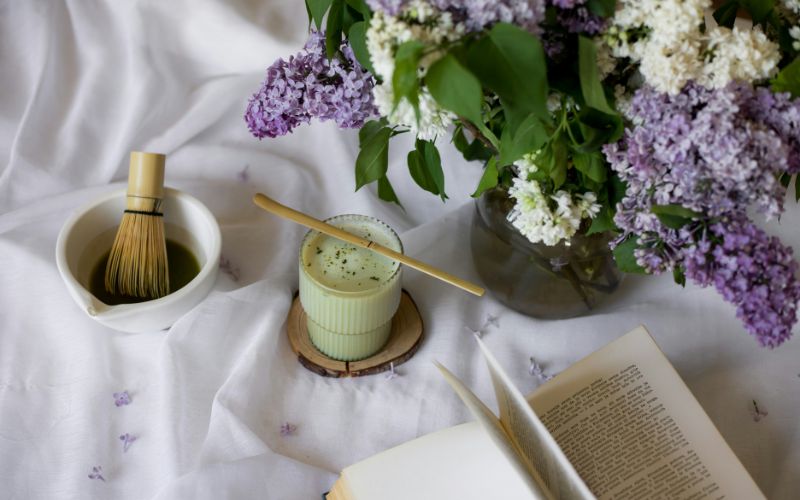
Preparing matcha the traditional way focuses on precision and technique, helping you bring out its natural color, texture, and flavor. Each step may seem simple, but doing it correctly makes a clear difference in how smooth and balanced your final cup turns out.
Step 1: Sift 1-2 teaspoons of matcha powder
Start by sifting the matcha into your bowl to remove any clumps. This step ensures a finer texture and helps the powder blend evenly with water, creating a smoother drink from the beginning.
Step 2: Add hot water (not boiling)
Pour in about 60-80 ml of hot water, ideally around 70-80°C. Water that is too hot can make matcha taste bitter. While the right temperature preserves its natural sweetness and umami.
Step 3: Whisk in a zigzag motion
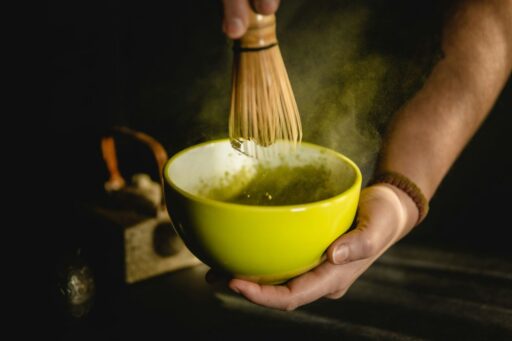
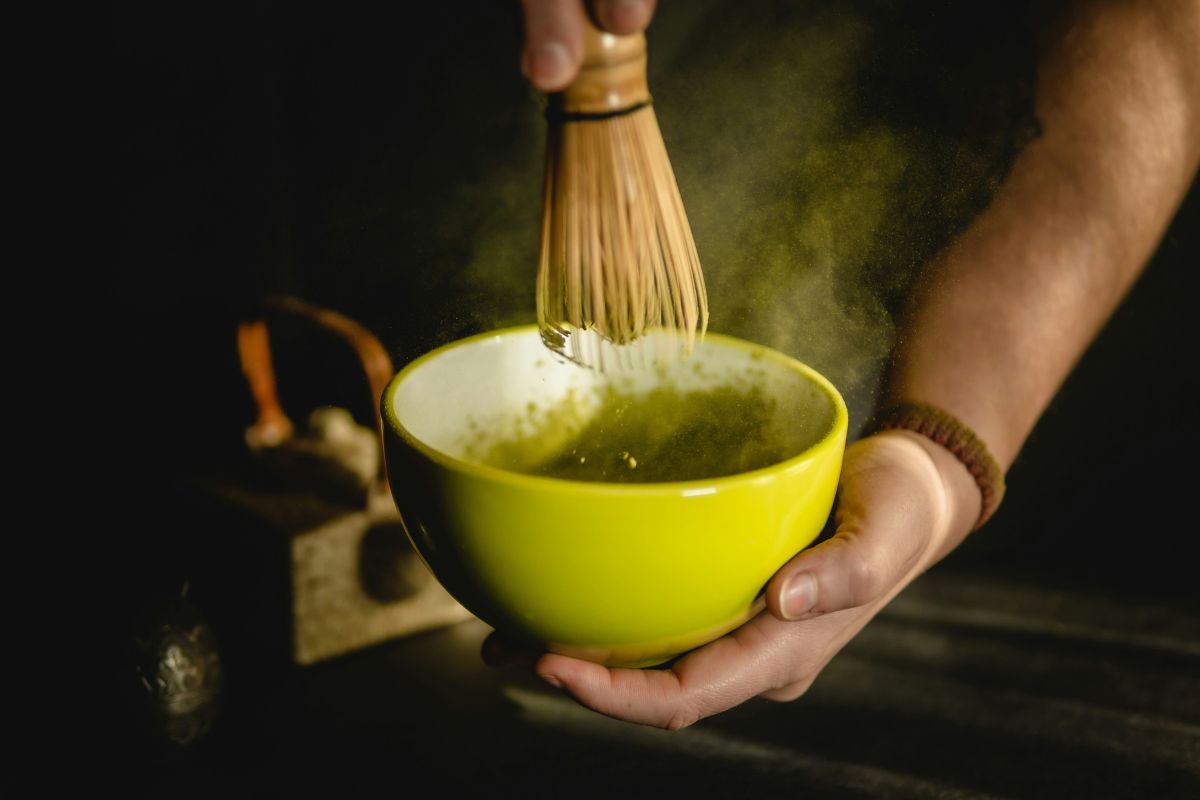
Use a bamboo whisk and move it quickly in a zigzag or “M” motion rather than stirring in circles. This technique incorporates air into the liquid, helping the matcha dissolve fully while building a light foam on top.
When practicing how to make matcha, this whisking method is especially important because it ensures a smooth, lump-free texture. It is similar to the adjustments you make when learning how to make iced matcha for a smoother finish.
Step 4: Create a smooth, frothy layer
Continue whisking until a fine layer of foam forms on the surface. The texture should look creamy and consistent, with no visible lumps, giving you a well-balanced cup that feels both rich and refreshing.
4. Matcha Latte vs Traditional Matcha
Matcha latte and traditional matcha both use the same finely ground green tea powder, but they offer very different experiences.
- Traditional matcha is prepared by whisking matcha with hot water, creating a strong, earthy flavor with a slightly bitter edge.
- In contrast, a matcha latte combines matcha with milk and often a sweetener, resulting in a smoother, creamier, and more approachable taste.
For those learning how to make matcha latte, the process focuses more on balance and texture rather than intensity.
While traditional matcha highlights purity and ritual, matcha lattes are designed for comfort and everyday enjoyment. They are a popular choice for beginners or anyone who prefers a milder flavor.
>>> You might be interested in: What Is White Tea? 5 Surprising Facts You Must Know
5. Some Common Mistakes When Making Matcha
Small mistakes can easily affect the texture and flavor of your matcha, even when using good ingredients. Knowing what to avoid helps you refine your technique and get closer to a smooth, well-balanced cup every time you practice how to make matcha.
Using Water That Is Too Hot
Pouring boiling water directly over matcha can damage its delicate compounds and create a harsh, bitter taste. Matcha performs best with water around 70-80°C, which preserves its natural sweetness and umami.
Paying attention to temperature allows the flavor to stay smooth and layered rather than sharp or overpowering.
Skipping the Sifting Step
When learning how to make matcha, many people overlook sifting, but this step plays a key role in achieving a fine, lump-free texture. Matcha powder tends to clump due to humidity and storage conditions, which makes it harder to mix evenly.
Sifting before adding water helps the powder dissolve quickly and creates a more consistent, velvety finish.
Whisking Incorrectly
Stirring matcha in circles instead of whisking properly can lead to a flat, uneven mixture with little to no foam. Using a zigzag or “M” motion helps incorporate air and fully blend the powder with water.
Proper whisking creates a light frothy layer on top, giving the drink its signature smooth and creamy texture.
6. FAQs about How to Make Matcha
Questions about matcha often go beyond preparation and into health, benefits, and daily use. Clarifying these points helps you enjoy matcha more confidently while understanding how it fits into different lifestyles.
Can people with Crohn’s have matcha?
Some people with Crohn’s disease may tolerate matcha in small amounts, but it depends on individual sensitivity. Matcha contains caffeine and compounds that could irritate the digestive system during flare-ups.
It is best to consult a healthcare provider and start with a low intake to see how your body responds.
Is matcha good for the spleen?
In traditional wellness perspectives, matcha is often seen as a warming, balanced drink that may support overall digestion. However, there is limited scientific evidence directly linking matcha to spleen health in medical terms.
Drinking it in moderation as part of a balanced diet is generally considered safe.
Does matcha lower LDL?
Matcha contains antioxidants, particularly catechins, which may help support heart health. Some studies suggest these compounds can contribute to lowering LDL (bad cholesterol) levels over time. While beneficial, matcha should be combined with a healthy lifestyle for noticeable results.
Who should not drink matcha tea?
Individuals sensitive to caffeine, pregnant women, or those with certain medical conditions may need to limit matcha intake.
High consumption can lead to side effects such as jitteriness, sleep issues, or digestive discomfort. Checking with a healthcare professional is recommended if you have concerns.
How to make a matcha latte?
Start by whisking matcha powder with a small amount of hot water until smooth and slightly frothy. Warm milk separately, then pour it over the prepared matcha and add sweetener if desired.
The result is a creamy, balanced drink that highlights matcha’s natural flavor while softening its intensity.
7. Final Words
Mastering how to make matcha is less about complexity and more about consistency in small details.
When you pay attention to water temperature, whisking technique, and ingredient quality, each cup becomes smoother and more enjoyable. Over time, simple adjustments can elevate both flavor and texture in noticeable ways.
For those looking to refine their routine further, TeaKoe offers helpful guides to support your journey. Start practicing today and create a matcha ritual that truly fits your taste.