
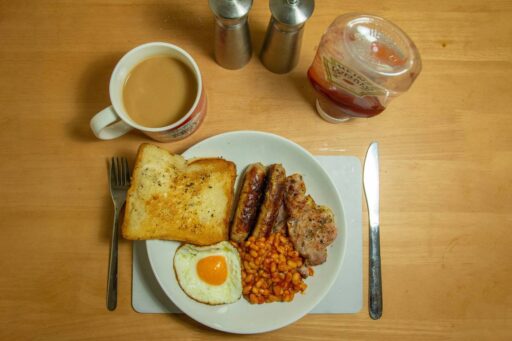
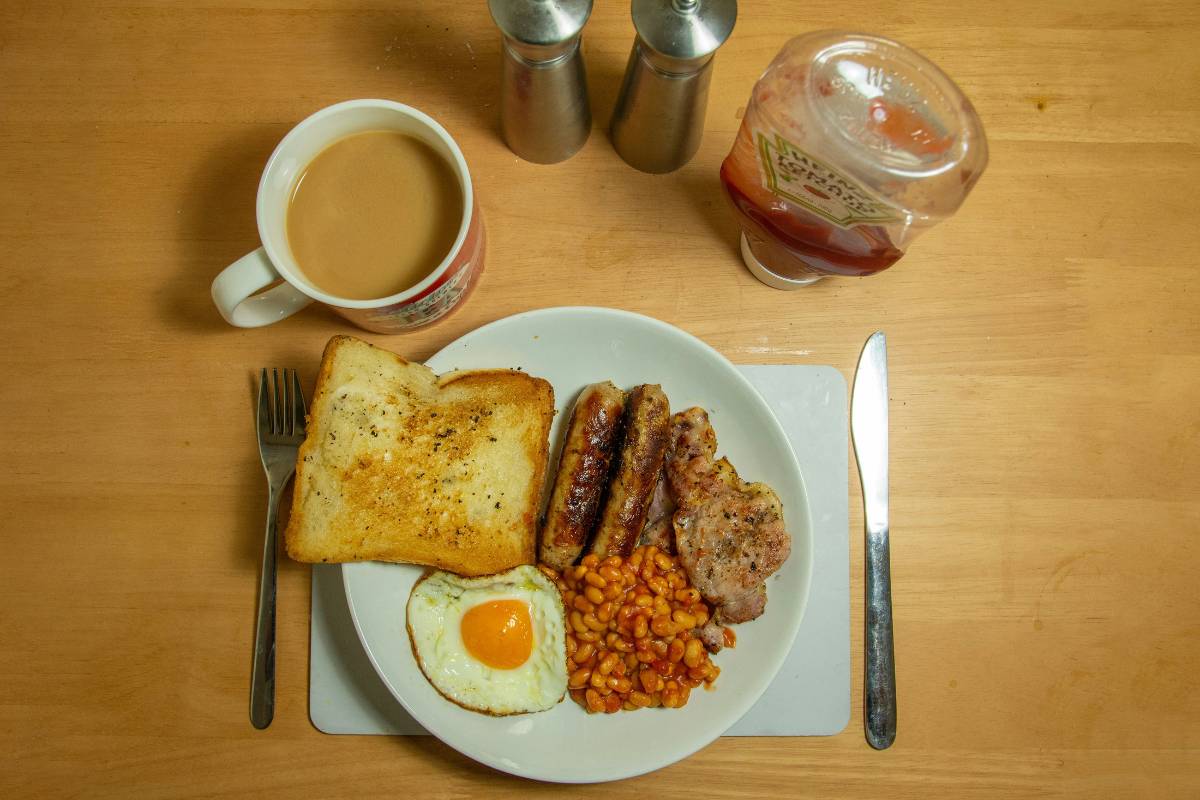

Curious about your daily cup and its energy boost? Understanding does English breakfast tea have caffeine helps you make better choices for your routine without giving up flavor.
This classic blend is known for its bold taste and moderate caffeine content, making it a popular morning option.
To explore brewing tips, caffeine levels, and how to enjoy it mindfully, you can follow a more detailed guide inspired by TeaKoe’s approach to tea.
1. Does English Breakfast Tea Have Caffeine In It?
Yes, English Breakfast tea does contain caffeine, offering a moderate energy boost that suits many daily routines.
If you’re wondering does English breakfast black tea have caffeine, the answer is clearly yes, with levels typically around 30–70 mg per cup, depending on brewing method and strength.
As a black tea blend, it generally contains less caffeine than coffee but still enough to help you feel more alert.
This balance makes it a popular choice for mornings or early afternoons when you want steady energy without the intensity of stronger caffeinated drinks.
>>> Read more: Data Revealed: How Much Caffeine Is In English Breakfast Tea?
2. What Makes English Breakfast Tea High in Caffeine?
The caffeine level in this classic blend doesn’t happen by chance. It’s shaped by both the ingredients and how it’s prepared. Understanding these factors helps explain does English breakfast tea have caffeine, why it delivers a stronger, more noticeable energy boost than many lighter teas like green or white tea.
Blend of strong black teas (Assam, Ceylon…)
English Breakfast tea is typically made from robust black tea varieties such as Assam tea and Ceylon tea. These teas naturally contain higher caffeine levels compared to lighter teas. Their bold character not only enhances flavor but also contributes to a more energizing cup overall.
Designed as a morning tea
This blend was originally crafted to pair with hearty breakfasts, which explains its stronger profile. A higher caffeine content helps provide a gentle wake-up effect without being as intense as coffee.
That’s why it’s often chosen as a reliable morning drink to start the day with steady energy.
Brewing strength
How you brew the tea plays a big role in its caffeine content. Using more leaves or steeping for a longer time increases the amount of caffeine extracted into your cup.
A stronger brew will naturally feel more stimulating, while a lighter infusion offers a milder, more balanced experience.
3. Can You Reduce Caffeine in English Breakfast Tea?
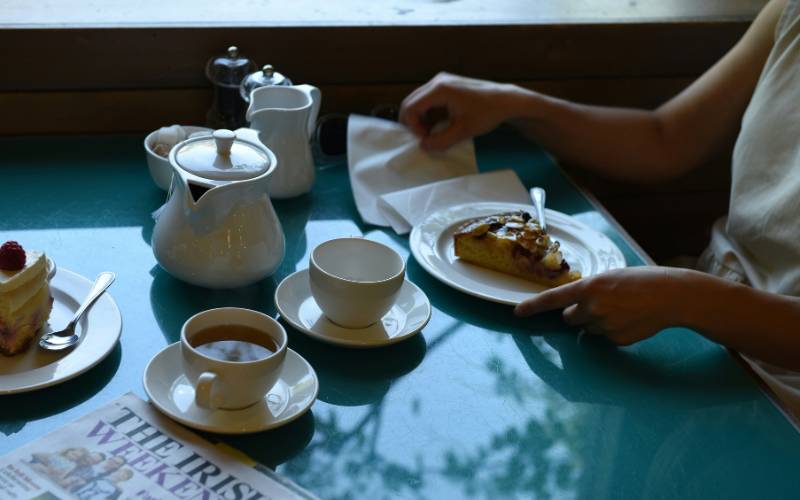
Not everyone wants the full caffeine kick that comes with a strong morning brew. The good news is that after knowing does English breakfast tea have caffeine, you can adjust a few simple factors to make your cup lighter without losing its signature taste.
- The 1-Minute Rule: Steep your tea for only 30-60 seconds, then discard that first infusion and re-steep with fresh hot water. Since caffeine is released quickly, this method helps reduce a noticeable portion while preserving taste.
- Lower Temperature: Caffeine extracts slightly faster at higher temperatures, so using water slightly below boiling can slow the process. This results in a gentler cup with less caffeine and a smoother overall flavor profile.
- Buy Decaf: Choose decaffeinated English Breakfast teas, often processed using methods like CO₂ to remove caffeine while maintaining flavor. These options allow you to enjoy the same classic taste with minimal stimulant effect.
- Switch to Herbal or Botanicals: For a completely caffeine-free alternative, consider herbal infusions such as Rooibos tea. These naturally contain no caffeine and still offer a rich, satisfying experience.
4. Who Should Avoid English Breakfast Tea Too Much?
While this tea is a popular daily choice, it may not suit everyone in large amounts. Understanding does English breakfast tea have caffeine helps you enjoy it more safely and in a way that supports your overall well-being.
People Sensitive to Caffeine
Some individuals are more sensitive to caffeine, even in moderate amounts found in black tea.
They may experience symptoms like restlessness, increased heart rate, or difficulty sleeping after drinking it. For these people, consuming English Breakfast tea later in the day can disrupt normal routines.
Reducing portion size or switching to lower-caffeine options can help manage these effects.
Paying attention to how your body reacts is important, as sensitivity levels vary widely. Choosing lighter brews or limiting intake to mornings can make a noticeable difference.
Pregnant or Breastfeeding Individuals
Caffeine intake is often recommended to be limited during pregnancy and breastfeeding.
Although English Breakfast tea contains less caffeine than coffee, multiple cups a day can still add up quickly. Monitoring total daily intake becomes important to avoid exceeding recommended limits.
Healthcare providers often suggest keeping caffeine consumption within safe ranges.
Opting for fewer cups or switching to decaffeinated versions can be a safer choice. This allows you to still enjoy tea while reducing potential risks.
People with Anxiety or Sleep Issues
Caffeine can sometimes worsen symptoms of anxiety or interfere with sleep quality.
Drinking English Breakfast tea, especially in the afternoon or evening, may make it harder to relax or fall asleep. This can affect overall energy levels and daily functioning.
For those already dealing with stress or sleep disturbances, limiting intake can be helpful.
Choosing caffeine-free alternatives in the evening or adjusting timing earlier in the day may support better rest and a calmer state of mind.
Individuals with Certain Medical Conditions
People with specific health conditions, such as heart issues or digestive sensitivity, may need to be cautious with caffeine intake.
In some cases, it can trigger discomfort or worsen existing symptoms. This makes it important to consider personal health factors before consuming large amounts.
Consulting a healthcare professional is recommended if you’re unsure about how caffeine may affect you. Adjusting intake or choosing alternatives can help maintain comfort while still enjoying tea in moderation.
>>> Read more: Is Unsweet Tea Good For You? Unmasking The Natural Brew
5. Answers To Common English Breakfast Tea Caffeine Questions
Caffeine levels in tea can feel confusing, especially when comparing them with coffee or other tea types. These quick answers will help you better understand how English Breakfast tea fits into your daily routine.
Is English Breakfast tea stronger than coffee?
No, English Breakfast tea is generally less caffeinated than coffee. A typical cup of tea contains significantly lower caffeine, offering a milder energy boost. This makes it a good option if you want alertness without the intensity of coffee.
Does English Breakfast tea have more caffeine than green tea?
Yes, it usually contains more caffeine than green tea because it is made from fully oxidized black tea leaves. The processing method increases caffeine concentration compared to lighter teas. As a result, it tends to feel stronger and more stimulating.
Can you drink English Breakfast tea every day?
For most people, it’s safe to drink daily in moderate amounts, typically 1-2 cups. It can be part of a balanced routine without causing issues. However, those sensitive to caffeine should monitor their intake and adjust accordingly.
What tea has no caffeine in it?
Herbal teas are naturally caffeine-free because they are not made from the tea plant. Options like Rooibos tea or chamomile are popular choices. These provide a similar comforting experience without any stimulant effects.
Which has more caffeine, English breakfast tea or Earl Grey?
Both are black teas, so their caffeine levels are quite similar. However, English Breakfast tea may sometimes feel slightly stronger depending on the blend and brewing method. In most cases, the difference is minimal and not significant.
6. Final Words
Finding the right balance between flavor and energy can make your tea experience more enjoyable day by day. English Breakfast tea offers a steady lift that feels smoother than coffee yet is still effective for staying focused.
If you’re curious about does English breakfast tea have caffeine, the answer becomes more practical when you adjust brewing time and strength to suit your needs. TeaKoe brings carefully selected blends to help you enjoy a more consistent and refined cup.