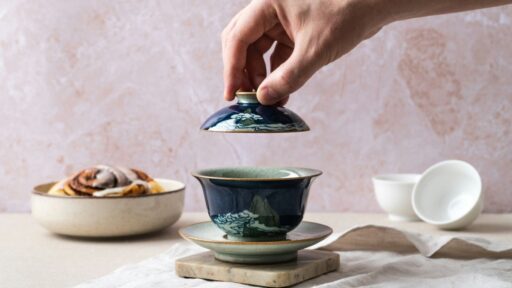



When thinking about is unsweet tea good for you, it helps to see it as a simple shift toward cleaner, more mindful habits. Without added sugar, it lets the natural qualities of tea stand out, light, refreshing, and easy on the body.
It can support hydration while offering subtle benefits from antioxidants. If you want to explore how to enjoy it better and choose the right types, TeaKoe-inspired insights can guide you further.
1. Is Unsweet Tea Good for You?
Yes, unsweetened tea is widely considered a healthy choice thanks to its zero-calorie and sugar-free profile, making it ideal for hydration and weight management.
It is also rich in antioxidants that may support heart health and help protect the body from oxidative stress.
When considering is unsweet tea good for you, regular consumption may contribute to overall cardiovascular health when combined with healthy lifestyle habits.
2. Key Health Benefits of Drinking Unsweet Tea

Tea without added sugar offers a clean, refreshing option that fits easily into a healthier daily routine. With its natural compounds and balanced profile, it can deliver several meaningful benefits when enjoyed regularly in moderation.
Supports Heart Health
This beverage contains antioxidants such as flavonoids, which are known to support cardiovascular function. These compounds may help improve blood circulation and reduce inflammation over time, contributing to better overall heart performance.
Regular intake is often associated with maintaining stable blood pressure and supporting long-term cardiovascular health. When considering is drinking unsweet tea good for you, its potential role in protecting heart health makes it a reliable and practical choice.
Aids in Weight Management
With no added sugar or calories, this drink can help reduce total daily energy intake. Replacing high-calorie beverages with a lighter option supports better portion control and healthier dietary habits.
It can help reduce overall sugar intake when used as a replacement for sweetened beverages.
Over time, this can contribute to maintaining a healthy weight while still allowing you to enjoy a refreshing and satisfying beverage.
Provides Antioxidant Protection
Rich in natural antioxidants, this type of tea contains antioxidants that may help reduce oxidative stress over time. These compounds work to neutralize free radicals, which are linked to aging and various long-term health concerns.
Consistent consumption may support cellular health and overall wellness. Choosing a version without added sugar ensures that these protective benefits remain effective without introducing unnecessary calories or additives.
Supports Hydration
Another surprising benefit for people asking is unsweet tea good for you is that this product facilitates hydration on a daily basis.
It may provide proper hydration throughout the day, along with water, of course, which is very important to sustain energy levels, enhance focus, and carry out body processes in an efficient manner.
Unlike drinks that contain additional sugar, it keeps your body hydrated without increasing your blood glucose level or calorie intake. It’s a better alternative because you can use it daily when consumed in moderation, depending on individual tolerance.
>>> Read more: What Is White Tea? 5 Surprising Facts You Must Know
3. Does Unsweet Tea Have Any Downsides?
While this drink is often considered a healthy choice, it may not be suitable for everyone in every situation. Understanding potential drawbacks helps you enjoy it more safely and avoid unwanted effects.
Caffeine sensitivity
Although the caffeine level is usually moderate, varying depending on the type of tea and how it is brewed, some individuals may still experience sensitivity.
Even small amounts can lead to restlessness, increased heart rate, or difficulty sleeping, especially when consumed later in the day or in larger quantities.
People with low tolerance should monitor both timing and portion size carefully. Choosing lighter brews or limiting intake in the evening can help reduce unwanted effects while still allowing you to enjoy the drink comfortably and safely.
Overconsumption
Consuming too much, even of a healthy beverage, can lead to imbalance over time. Excessive intake may not be ideal, especially if it replaces water or leads to high caffeine consumption or reduces awareness of the body’s natural thirst signals, especially when replacing water too often.
Maintaining moderation is important for long-term balance. Spacing out consumption and combining it with regular water intake can help support hydration while avoiding reliance on a single type of drink throughout the day.
Possible acidity
Some types of tea may have a slightly acidic profile, which can affect individuals with sensitive digestion. Drinking it in large amounts or on an empty stomach may cause mild discomfort for some individuals, especially when consumed on an empty stomach.
Being mindful of how your body responds is essential. Consuming it with food or adjusting strength can help reduce potential irritation, allowing you to enjoy the drink while minimizing any negative impact on your digestive comfort.
>>> Read more: How To Make Matcha: Ultimate Traditional Recipe 2026
4. Who Needs to Cut Back on Unsweet Tea?
Tea without added sugar can be a healthy choice, but it may not suit everyone in large amounts. Certain individuals should pay closer attention to their intake to avoid unwanted effects and maintain overall balance.
People Sensitive to Caffeine
Some individuals are more sensitive to caffeine, even at moderate levels. They may experience restlessness, increased heart rate, or difficulty concentrating, especially when intake is not controlled or consumed too late in the day.
Managing portion size and timing is important for this group. Reducing intake or switching to lower-caffeine alternatives can help minimize discomfort while still allowing occasional enjoyment without affecting daily performance or overall comfort.
Individuals with Sleep Problems
People who struggle with sleep may find that even small amounts of caffeine can interfere with rest. Drinking it later in the day may delay sleep onset or reduce overall sleep quality throughout the night.
Limiting intake earlier in the day is a practical solution. Avoiding evening consumption and choosing caffeine-free options can help support better sleep patterns and improve recovery, leading to more stable energy levels during the day.
People with Sensitive Digestion
Some individuals may experience mild stomach discomfort due to the natural acidity of tea. Consuming it on an empty stomach or in large quantities may lead to irritation or digestive sensitivity over time.
Adjusting how it is consumed can help reduce these effects. Drinking it with meals or choosing a lighter brew may improve tolerance and allow for a more comfortable experience without negatively affecting digestion.
Those Managing Caffeine or Fluid Intake
Individuals who need to monitor caffeine or fluid intake for health reasons should be cautious. Drinking large amounts may not align with medical recommendations or personal health goals.
Tracking daily intake and maintaining moderation is essential. Following professional advice ensures consumption stays within safe limits while still allowing flexibility to enjoy the beverage occasionally without compromising overall well-being.
5. Popular Questions about Unsweet Tea and Health
This drink is often considered a healthier alternative, but many people still have questions about its actual effects on the body. The answers below help clarify how it fits into different health goals and daily routines.
Is unsweet iced tea good for you?
Iced tea without added sugar can be a healthy choice thanks to its low calorie content and natural antioxidants. It supports hydration while offering a lighter alternative to sweetened drinks. However, caffeine levels should still be considered, especially if consumed frequently or later in the day.
Is Milo’s unsweet tea good for you?
Milo’s version can be a convenient, ready-to-drink option that avoids added sugar. It provides a similar taste to freshly brewed tea while helping reduce overall calorie intake. Still, checking ingredients and caffeine content is important to ensure it fits your personal needs.
What tea is good for lung congestion?
Herbal options like ginger, peppermint, or chamomile are commonly used to help soothe symptoms, although they are not a medical treatment. Their natural properties may support relaxation and soothe the respiratory system. Warm tea can also help loosen mucus, making breathing feel more comfortable over time.
Is unsweet tea ok for weight loss?
Drinking tea without added sugar can help reduce daily calorie intake, especially when replacing high-sugar beverages. This small change can support weight management by reducing calorie intake when replacing sugary drinks.
It also keeps hydration stable without adding extra energy, making it easier to maintain a balanced and consistent weight routine.
6. Final Words
Cutting back on added sugar doesn’t mean giving up flavor, and this type of drink proves that clearly. With a light profile and natural compounds, it fits well into a balanced daily routine. When used in moderation, it can support hydration and overall well-being without adding unnecessary calories.
Paying attention to personal tolerance helps you get the most benefit. If you’re still wondering is unsweet tea good for you, explore TeaKoe’s curated blends and enjoy a more refined tea experience.