

White tea stands out for its simplicity, delicate flavor, and minimal processing, making it one of the most refined tea types available. Knowing what is white tea helps you appreciate its light taste, subtle sweetness, and natural aroma that differ from stronger varieties.
This guide explores its origins, characteristics, and benefits. It also invites you to discover more expert insights and premium selections through TeaKoe’s curated resources.
1. What is White Tea?
White tea is one of the most delicate and minimally processed types of tea, made from the young buds and early leaves of the Camellia sinensis tea plant.
It is harvested before the leaves fully open, when they are still covered in fine white hairs, which gives the tea its name. After picking, the leaves are gently withered and dried with little to no oxidation, preserving their natural qualities.
This simple process results in a light, smooth tea with subtle sweetness and a clean, fresh character. Because it undergoes minimal handling compared to green or black tea, white tea retains a more natural profile and is often appreciated for its purity and refined taste.
>>> Another helpful blog: How To Make Matcha: Ultimate Traditional Recipe 2026
2. How is White Tea Made Today?
Modern white tea production still respects traditional methods while applying better control to ensure consistent quality.
Understanding how it is made also helps clarify what is a white tea shot and how its light, delicate base differs from stronger tea or cocktail variations.
Selective Harvesting
White tea begins with careful hand-picking of tender buds and young leaves, usually during early spring when they are at peak freshness.
Premium varieties like Silver Needle use only unopened buds, which results in a cleaner, more refined flavor profile with natural sweetness and minimal bitterness.
Withering
When exploring what is white tea, it helps to understand how it is processed after harvesting. After harvesting, the leaves are spread out on bamboo trays to reduce moisture gradually. This stage allows natural enzymes to develop subtle aromas and soft flavors.
In modern production, controlled environments with stable temperature and humidity help maintain consistency while preserving the tea’s delicate character.
Drying
Drying is essential to stop oxidation and stabilize the tea for storage. Producers use gentle hot air methods to reduce moisture levels to around 5% or lower.
This process prevents spoilage while locking in the tea’s light body, smooth texture, and fresh, slightly sweet notes.
Sorting and Packaging
When learning what is white tea, the final stage in production is sorting and packaging. Once dried, the leaves are carefully sorted to remove impurities and ensure uniform quality. Skilled workers separate different grades before packaging them for distribution.
Proper handling at this stage helps preserve aroma, appearance, and overall freshness when the tea reaches consumers.
3. The Main Types of White Tea
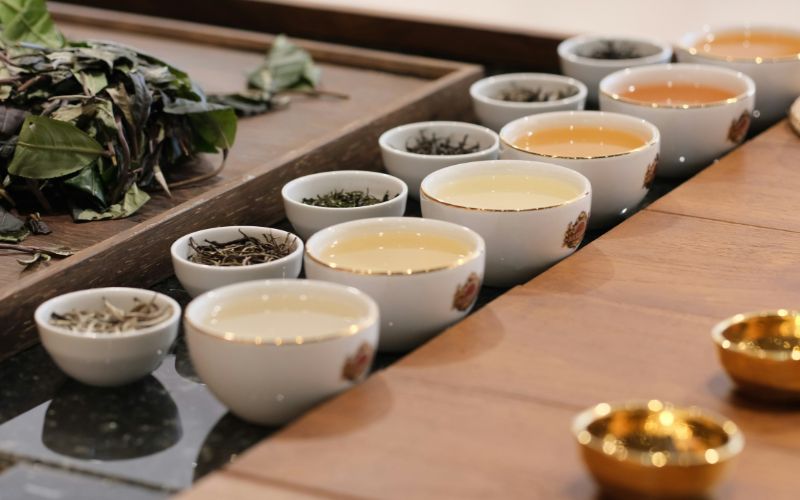
When exploring what is white tea, it’s helpful to know that it comes in several distinct types, each offering a slightly different balance of aroma, body, and sweetness.
Understanding these varieties helps you choose the right option based on your taste preferences and experience level.
Silver Needle (premium grade)
Silver Needle is considered the highest quality white tea, made exclusively from young, unopened buds covered in fine silvery hairs. This careful selection creates a very light, smooth cup with subtle floral notes and a naturally sweet finish.
Its texture feels soft and refined, with almost no bitterness, making it ideal for those who appreciate delicate and elegant flavors. Because of its limited harvest and strict grading, it is often more expensive than other types.
White Peony (more widely available)
When learning what is white tea, White Peony, also known as Bai Mu Dan, is often considered the second type you should know. It includes both buds and young leaves, giving it a fuller body compared to Silver Needle. The flavor is slightly stronger, combining floral notes with a mild vegetal or fruity character.
This balance makes it more approachable for everyday drinking while still maintaining the smoothness typical of white tea. It offers a good middle ground between quality and affordability, making it a popular choice among tea drinkers.
Shou Mei
Shou Mei is made from more mature leaves and later harvests, resulting in a deeper color and a richer, more robust flavor. Compared to other white teas, it has a slightly bolder profile with hints of dried fruit, honey, or even light woodiness.
The texture feels thicker, and the taste is less delicate but still smooth. This variety is often more affordable and works well for those who prefer a stronger, more noticeable tea experience.
4. What Is White Tea Good For?
White tea is valued not only for its delicate taste but also for its gentle, natural benefits. Its light composition makes it suitable for a variety of lifestyles, especially for those looking for a balanced and refreshing daily drink.
People Seeking a Low-Caffeine Option
White tea contains less caffeine than black or green tea, making it a suitable choice for those who want a milder energy boost. It provides a gentle lift without the intensity or jittery feeling often associated with stronger caffeinated drinks.
This makes it ideal for individuals who are sensitive to caffeine but still enjoy having a warm, comforting beverage throughout the day.
>>> Read more: What Type of Tea Has the Most Caffeine? A Complete Comparison Guide
Those Focused on Antioxidant Intake
When learning what is white tea, it’s also important to know who benefits most from drinking it. One key group includes those focused on antioxidant intake.
White tea is rich in antioxidants, particularly catechins, which help support overall wellness. These compounds are known to assist in protecting the body from oxidative stress and may contribute to long-term health benefits.
Including white tea as part of a balanced routine can be a simple way to support a healthier lifestyle without making major changes to daily habits.
People Looking for a Light, Easy-to-Drink Beverage
Its smooth and subtle flavor makes white tea appealing to those who prefer drinks that are not too strong or bitter. The taste is often described as soft, slightly sweet, and clean, making it easy to enjoy without added sugar or milk.
This quality makes white tea a good option for both beginners and experienced tea drinkers who want something refreshing and uncomplicated.
Individuals Interested in Skin-Friendly Choices
Some people often explore what is white tea as part of their research into natural drinks that support overall wellness and skin health through antioxidant intake. These natural compounds may help reduce the impact of environmental stress on the skin over time.
While it is not a replacement for skincare products, drinking white tea regularly can complement a routine focused on maintaining a healthy and balanced appearance.
5. FAQs about White Tea
When learning what is white tea, it often raises questions not only about its taste but also its uses and health value. Understanding these common points helps you enjoy it more confidently and choose the right way to include it in your daily routine.
What is in a white tea shot?
A white tea shot is actually a cocktail, not a traditional tea drink. It typically includes vodka, peach schnapps, sour mix, and a splash of lemon-lime soda, with no real white tea involved. The name comes from its light color and smooth taste rather than its ingredients.
Is white tea healthier than green tea?
White tea and green tea both contain antioxidants, but their benefits are slightly different due to processing. White tea is less processed, which helps preserve more natural compounds, while green tea is known for its higher concentration of certain catechins.
Both can be healthy choices, so the better option depends on your personal preference and lifestyle.
Can you drink white tea every day?
Drinking white tea daily is generally safe for most people when consumed in moderate amounts. Its lower caffeine content makes it easier to include in a regular routine without causing overstimulation.
As with any beverage, balance is important, especially for those sensitive to caffeine or with specific health conditions.
6. Final Words
White tea stands out for its simplicity, light flavor, and naturally smooth character, making it easy to enjoy for both beginners and experienced tea drinkers. Exploring what is white tea helps you better appreciate its delicate taste and the careful process behind each variety.
Choosing quality tea and brewing it correctly can make a noticeable difference in flavor. TeaKoe offers curated white tea selections and helpful guides to support your journey.