



Some days you might crave something light and calming, while other moments call for a deeper, more energizing cup. That’s where the question is green tea or black tea better for you becomes more personal than factual.
Each option brings its own character, supporting different moods and routines without one clearly outperforming the other.
TeaKoe suggests paying attention to how you feel after each sip, because the “better” choice is simply the one that fits your body most naturally.
1. Overview of Green Tea and Black Tea
Green tea comes from the leaves of Camellia sinensis, but what makes it special is how little it’s changed after picking.
The leaves are quickly heated to stop oxidation, which helps keep that natural green color and a fresh, slightly vegetal taste.
Because of this gentle process, green tea often feels lighter on the palate and is known for its high antioxidant content, making it a go-to option for those who enjoy a clean and subtle daily drink.
Black tea starts from the same plant, yet the journey is completely different.
After harvesting, the leaves are allowed to fully oxidize, turning them darker and developing a deeper, richer flavor.
This is why black tea often tastes bold, sometimes a bit malty, and carries a stronger aroma.
2. Is Green Tea Or Black Tea Better For You?
When it comes to deciding Is black or green tea better for you, there isn’t a single clear winner. Both offer unique benefits, from the refreshing, antioxidant-rich nature of green tea to the bold flavor and gentle energy boost of black tea.
The better choice really depends on your lifestyle, taste preferences, and how your body responds.
Instead of comparing them too strictly, it’s more helpful to see each as a different experience, and choose the one that fits your daily rhythm most naturally.
3. Green Tea vs Black Tea (Health Comparison)
Both green tea and black tea are healthy choices, but they support your body in slightly different ways.
If you’ve been asking is black tea or green tea better for you?, it’s more useful to compare how each one works and what fits your daily routine best.
| Factor | Green Tea | Higher caffeine, gives a stronger and longer-lasting boost |
| Processing | Lightly processed, leaves are heated quickly to keep their natural state | Fully oxidized, creating a darker color and deeper flavor |
| Antioxidants | Rich in catechins, especially EGCG, known for strong antioxidant activity | Contains theaflavins and thearubigins, offering different protective benefits |
| Caffeine Level | Lower caffeine, providing a smoother, calmer energy | Higher caffeine gives a stronger and more noticeable energy boost |
| Taste Profile | Fresh, light, slightly grassy | Bold, rich, sometimes malty |
| Best For | Relaxed focus, daily wellness, gentle routines | Morning energy, productivity, and stronger flavor preference |
>>> Read more: How To Make Matcha: Ultimate Traditional Recipe 2026
4. Common Mistakes When Choosing Tea
Picking tea can feel straightforward, yet small assumptions often lead to choices that don’t truly match your needs.
Many of these missteps come from following popular trends instead of considering how each type fits into your daily habits and preferences.
Ignoring How Your Body Responds
Many people rely too much on general advice and forget that each body reacts differently. What feels refreshing and balanced for one person might feel too mild or even uncomfortable for another.
Instead of chasing a fixed answer to which is better for you green tea or black tea, it’s more useful to notice how you feel after drinking.
Your energy, focus, and even digestion can tell you more than any trend ever will.
Focusing Only on Caffeine Levels
Caffeine often becomes the main deciding factor, especially for those looking for an energy boost. While it does play a role, it’s only one part of the overall experience.
Tea also offers flavor, aroma, and different types of compounds that affect how you feel throughout the day.
Choosing based only on caffeine can make you miss out on options that better match your routine and preferences.
Overlooking Taste Preference
It’s easy to assume that health benefits should come first, even if the taste isn’t appealing.
However, forcing yourself to drink something you don’t enjoy rarely turns into a lasting habit.
When the flavor feels right, the experience becomes more natural and consistent. Enjoyment matters just as much as function, especially if tea is part of your daily routine.
>>> Read more: What Does Chamomile Tea Taste Like? Unique Flavor, Aroma
Expecting One Tea to Do Everything
Some people stick to one type of tea and expect it to suit every moment, from morning energy to evening relaxation. In reality, different situations call for different qualities.
Being flexible with your choices allows you to get more out of each cup.
Switching between teas depending on your mood or needs often creates a more balanced and satisfying experience overall.
5. FAQs about Drinking Tea
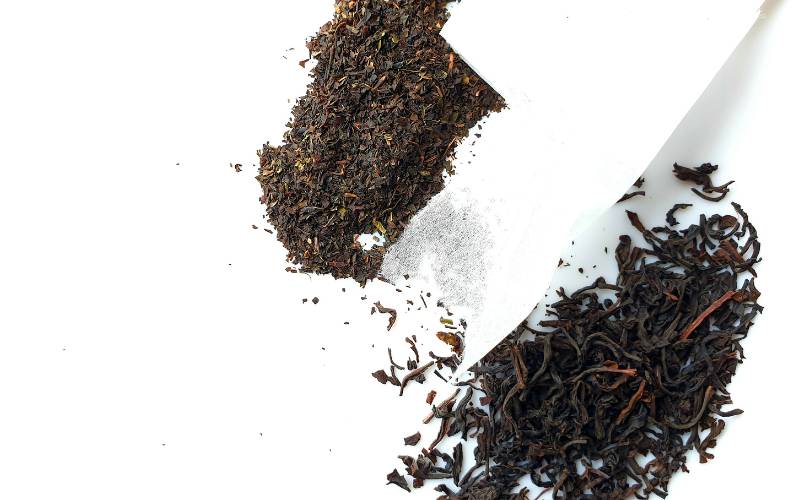
Tea often raises more questions than answers, especially when it comes to health benefits and everyday habits. Instead of looking for quick conclusions, it helps to understand how each type of tea actually works in your routine.
What is the healthiest tea to drink?
There’s no single option that fits everyone. Some people lean toward green tea for its antioxidants, while others prefer black tea for its fuller body and steady energy. Rather than asking is green tea or black tea better for you, it’s more practical to choose what aligns with your taste and daily needs.
Does green tea lower A1C?
Some studies suggest green tea may support blood sugar regulation thanks to its natural compounds. However, its effect on A1C is usually mild and works best alongside a healthy diet and lifestyle. It should be seen as supportive, not a primary solution.
Does green tea help with nerve damage?
The antioxidants in green tea may support overall brain and nerve health. Still, it doesn’t directly repair nerve damage, especially in more serious conditions. Long-term care and proper medical guidance remain essential.
Is green tea better for the kidneys than black tea?
Both types are generally safe when consumed in moderation. Green tea may feel lighter due to lower caffeine, but that doesn’t automatically make it superior. What matters more is balanced intake and staying properly hydrated.
6. Final Words
At the end of the day, the question is green tea or black tea better for you doesn’t need a strict answer.
Some days you might want something light and calming, other times a stronger, richer cup just feels right.
Tea isn’t about choosing sides, it’s about finding what fits your mood and your body. With TeaKoe, you can explore different blends at your own pace and enjoy the process, not just the result. Sometimes, the best cup is simply the one you reach for without thinking twice.