
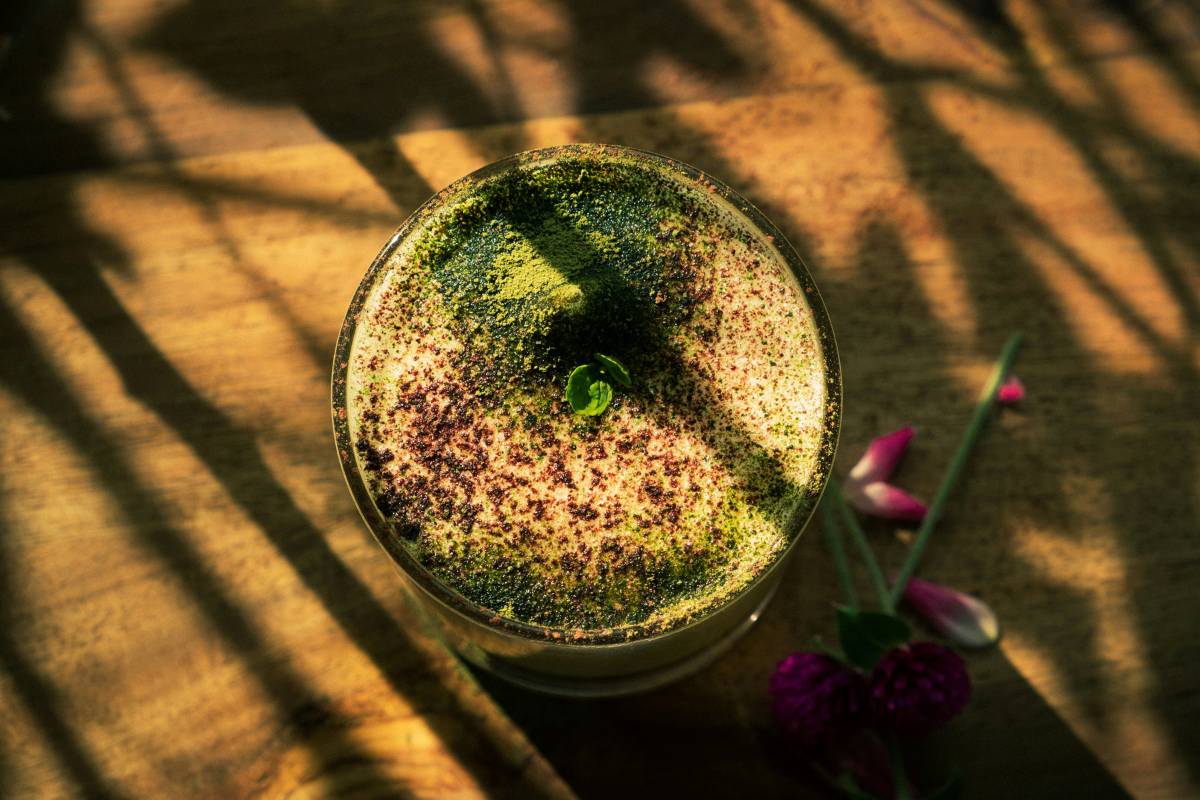

If you’re wondering does matcha have caffeine, the answer lies in how it’s uniquely prepared and consumed.
Unlike regular tea, matcha uses finely ground leaves, which means you take in the full caffeine content along with its natural compounds. This often may feel smoother and more sustained for some people.
To better understand its effects and how to enjoy it properly, you can explore more through TeaKoe’s guidance.
1. Does Matcha Have Caffeine In It?
Yes, matcha does contain caffeine, and the experience can feel quite different from other drinks.
When people ask does matcha tea have caffeine?, the answer is not just about the amount, but how it’s delivered in your body.
Because matcha is made from finely ground tea leaves that you consume entirely, it naturally provides more caffeine than regular brewed green tea.
What makes it unique is the presence of L-theanine, an amino acid that may interact with caffeine to create a calmer, more balanced feeling for some people.
Instead of a quick spike followed by a drop, matcha tends to support a more balanced energy that feels calm, focused, and easier to maintain throughout the day.
2. How Much Caffeine Does Matcha Have?
Caffeine levels in matcha can vary depending on how much powder you use and the type of leaves.
A typical serving of about 1-2 teaspoons (around 2-4 grams) usually provides roughly 60-70 mg of caffeine.
Compared to other drinks, matcha generally sits between green tea and coffee in caffeine strength.
Regular brewed green tea often contains around 30 mg per cup, while coffee can reach 95-200 mg. This makes matcha a balanced option for those who want noticeable energy without going as strong as coffee.
>>> Read more: What Does Chamomile Tea Taste Like? Unique Flavor, Aroma
3. Can You Drink Matcha Every Day?
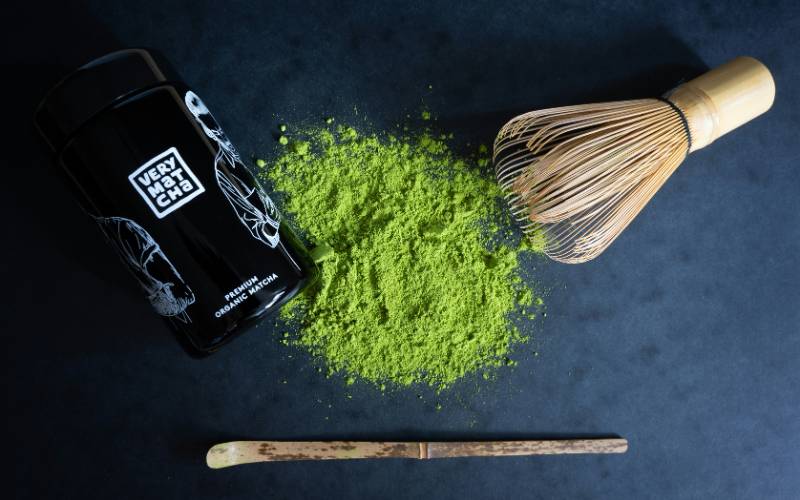
Yes, enjoying matcha daily is generally safe and can be a great addition to your routine when consumed in moderation.
Having one to two cups a day is often enough to provide steady energy, a rich source of antioxidants, and may help support focus without overwhelming your system.
That said, balance still matters. Drinking too much may lead to excess caffeine intake, which can cause restlessness or affect sleep, and the natural tannins in matcha, like other teas, may reduce iron absorption when consumed with meals
Paying attention to how your body responds helps you enjoy matcha in a way that feels both beneficial and sustainable.
4. For Whom Is Matcha Consumption Not Recommended?
Matcha is often praised for its clean energy and wellness benefits, but it’s not always the best fit for everyone. Understanding who should be more mindful can help you enjoy it in a way that feels right and balanced.
People Sensitive to Caffeine
Some people are naturally more sensitive to caffeine, even in smaller amounts.
While matcha delivers a smoother, slower release compared to coffee, it can still lead to restlessness, a racing heart, or difficulty winding down if your body reacts strongly.
That’s why it’s worth considering does matcha have caffeine before making it a daily habit.
If you’re unsure, start with a smaller portion or drink it earlier in the day to see how your body responds without overwhelming your system.
Individuals with Iron Deficiency
Matcha contains natural compounds called tannins, which can interfere with how your body absorbs iron from food.
For someone already dealing with low iron levels, this small effect can become more noticeable over time if matcha is consumed regularly.
A simple way to manage this is by adjusting when you drink it.
Having matcha between meals rather than alongside iron-rich foods allows your body to absorb nutrients more effectively without needing to give it up entirely.
Pregnant or Breastfeeding Women
During pregnancy or breastfeeding, caffeine intake becomes something to pay closer attention to.
Even though matcha is often seen as a cleaner option, it still contributes to your daily caffeine total and should be consumed thoughtfully.
Staying within recommended limits is key, and it’s always a good idea to check with a healthcare provider if you’re unsure. With mindful portions, matcha can still be enjoyed without disrupting overall balance.
People with Sleep or Anxiety Issues
If you already struggle with sleep or feel easily anxious, matcha might not always feel as gentle as expected.
The combination of caffeine and natural compounds can affect people differently, especially later in the day.
Paying attention to timing can make a big difference.
Enjoying matcha in the morning or early afternoon often helps you benefit from its focus-boosting qualities without interfering with your ability to relax and rest later on.
5. Quick Answers To Common Matcha And Caffeine Questions
This drink has a unique way of delivering energy, which is why so many people have questions before adding it to their routine. Taking a closer look at how it works can help you decide if it’s the right fit for your day.
Does matcha keep you awake?
It can increase alertness, but not in an overwhelming way. The energy tends to build gradually, so you feel focused rather than overstimulated. Still, having it too late in the day might make it harder to fall asleep if you’re sensitive.
Can beginners drink matcha?
Absolutely, but starting simple makes a difference. A mild blend or smaller serving helps you get used to both the taste and how it feels. As you become more comfortable, you can slowly explore stronger options.
Why do I feel high after matcha?
That light, clear-headed feeling comes from how its natural compounds interact. Instead of a sharp burst, it may create a steady sense of clarity that some people describe as uplifting. It’s more about calm focus than anything intense.
Is matcha OK during IVF?
During IVF, it’s important to be mindful of what you consume, especially drinks that contain caffeine. Keeping your intake low and following your doctor’s advice can help you stay within safe limits while avoiding unnecessary risks.
Does matcha have more caffeine than coffee?
Typically, coffee contains more caffeine per serving. Matcha, however, releases its energy more slowly, so it may feel longer-lasting. This makes it appealing for those who want sustained focus without sharp ups and downs.
6. Final Words
At some point, the question does matcha have caffeine becomes less important than how it actually fits into your day.
The energy feels gentle but lasting, making it easy to enjoy without overthinking it. Whether you drink it for focus or simply for the moment it creates, matcha has a way of settling into your routine naturally.
With TeaKoe, you can explore different blends and find one that feels just right, cup after cup.