


Delicate floral aroma and smooth tea flavor have made jasmine tea a relaxing favorite for many tea drinkers worldwide. Many people still ask does jasmine tea have caffeine and whether it contains less caffeine than green tea, black tea, or coffee.
Since jasmine tea is usually made with scented tea leaves rather than pure flowers alone, caffeine levels may vary depending on the tea base and brewing method. TeaKoe hopes this guide helps you better understand jasmine tea caffeine levels and choose the right tea for your daily routine.
1. Does Jasmine Tea Have Caffeine In It?
Yes, jasmine tea naturally contains caffeine because it is made from real tea leaves, usually green or black tea, that are scented with jasmine flowers. While jasmine flowers themselves do not contain caffeine, the tea base used in production does.
Traditionally, jasmine tea is created by layering fresh jasmine blossoms over tea leaves so the aroma infuses into the tea during processing.
Caffeine levels in jasmine tea are generally lower than coffee but vary depending on the type of tea used.
Jasmine green tea typically contains about 15–60 mg of caffeine per 8-ounce cup, while jasmine black tea usually has around 45–70 mg. In comparison, a standard cup of coffee contains roughly 95–200 mg of caffeine.
Overall, jasmine tea provides a moderate, gentler caffeine boost compared to coffee.
2. How Much Caffeine Does Jasmine Tea Have?
Jasmine tea may contain different caffeine amounts depending on the tea base used during production and the overall brewing method. This is also why people often wonder does jasmine tea have caffeine.
Steeping duration, tea quality, and serving strength can also influence the final caffeine level in each cup.
| Beverage | Average Caffeine Per 8 oz |
| Jasmine Green Tea | 15-60 mg |
| Jasmine Black Tea | 45-70 mg |
| Green Tea | 20-45 mg |
| Black Tea | 40-70 mg |
| Oolong Tea | 30-50 mg |
| Matcha | 60-80 mg |
| Brewed Coffee | 95-200 mg |
Compared with coffee, jasmine tea usually provides a lighter and smoother caffeine boost, which is why many people ask does jasmine tea have caffeine.
Jasmine green tea is often chosen by tea drinkers who want moderate energy levels without the stronger stimulation commonly associated with large coffee servings.
>>> Read More: What Type of Tea Has the Most Caffeine? Complete Comparison
3. Benefits of Jasmine Tea Beyond Caffeine
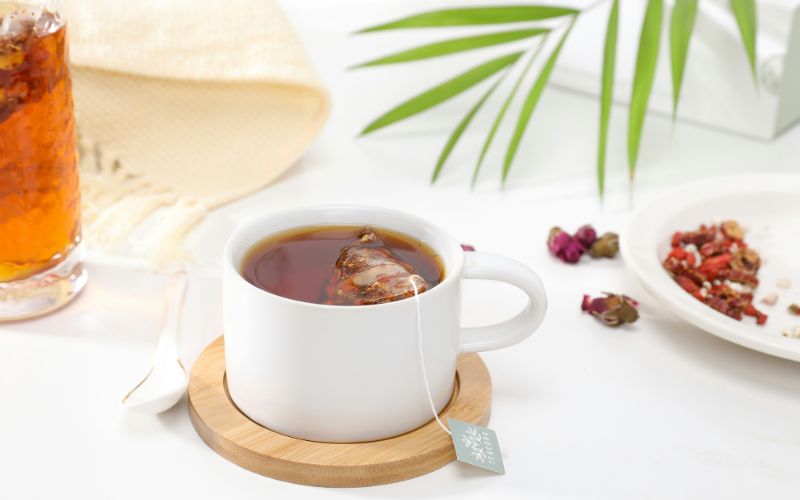
Jasmine tea is often enjoyed for more than just its caffeine content and light energy boost. Many tea drinkers appreciate its floral character, calming atmosphere, and natural tea compounds that support a more relaxing daily tea experience.
Floral aroma
Fresh jasmine blossoms give the tea its signature floral fragrance and delicate taste. The soft aroma may create a more enjoyable drinking experience during quiet mornings or afternoon tea breaks. Many people asking does jasmine tea have caffeine also enjoy jasmine tea because it feels lighter and more soothing than stronger beverages.
Relaxing experience
Warm jasmine tea is commonly associated with relaxation and comfort because of its gentle flavor and calming scent. Many tea drinkers prefer jasmine tea during stressful days or evening routines when they want a smoother tea experience without extremely strong stimulation.
Antioxidants
Jasmine tea made with green tea or black tea naturally contains antioxidants from the tea leaves. These plant compounds are often associated with overall wellness support and may help make jasmine tea a popular choice among health-conscious tea drinkers.
4. Simple Ways to Lower Caffeine in Jasmine Tea
Small brewing adjustments may help reduce caffeine levels while still keeping the floral aroma and smooth flavor that jasmine tea is known for. Tea preparation methods, steeping time, and tea selection can all influence how much caffeine ends up in the final cup.
Since many people wonder does jasmine tea have caffeine, here are some simple ways to lower its caffeine levels.
- Use cooler water: Lower water temperatures may reduce caffeine extraction compared with boiling water.
- Shorten steeping time: Steeping jasmine tea for a shorter period may help lower caffeine levels while maintaining flavor.
- Choose jasmine green tea instead of black tea: Jasmine green tea often contains less caffeine than jasmine tea made with black tea leaves.
- Use fewer tea leaves: Smaller amounts of tea naturally produce lighter caffeine levels per serving.
- Try decaffeinated jasmine tea: Decaf jasmine tea offers a floral flavor with much lower caffeine content for sensitive tea drinkers.
- Avoid drinking jasmine tea late at night: Drinking tea earlier in the day may help reduce sleep disruption for people sensitive to caffeine.
5. FAQs About Jasmine Tea and Caffeine
To better understand does jasmine tea have caffeine, the FAQs below answer the most frequently asked questions.
Does Jasmine green tea have caffeine?
Yes, jasmine green tea naturally contains caffeine because it is made using green tea leaves scented with jasmine flowers. The caffeine level is usually lower than that of coffee but may still provide a mild energy boost, depending on brewing strength and serving size.
Can you drink jasmine tea every day?
Many people drink jasmine tea daily as part of their regular tea routine. Moderate consumption is generally common among tea drinkers, although caffeine-sensitive individuals may prefer lighter servings or earlier drinking times during the day.
Is Jasmine tea stronger than green tea?
Jasmine tea is not always stronger than regular green tea because the caffeine level mainly depends on the tea base and brewing method. Jasmine green tea often contains caffeine levels similar to standard green tea, while jasmine black tea may contain slightly more.
What types of tea have no caffeine?
Herbal teas made without traditional tea leaves are naturally caffeine-free in many situations. Popular options commonly include chamomile tea, peppermint tea, rooibos tea, and hibiscus tea. These herbal drinks are often chosen by people looking for relaxing tea options without additional caffeine intake.
6. Final Words
Light floral aroma, balanced flavor, and moderate caffeine levels continue to make jasmine tea a popular choice for daily tea drinkers. Understanding does jasmine tea have caffeine may help you choose the right serving size, brewing style, and tea type based on your personal caffeine tolerance.
Compared with stronger coffee drinks, jasmine tea often provides a gentler and more relaxing tea experience throughout the day. TeaKoe hopes this guide has helped you better understand jasmine tea caffeine content and discover more comfortable ways to enjoy this classic floral tea.