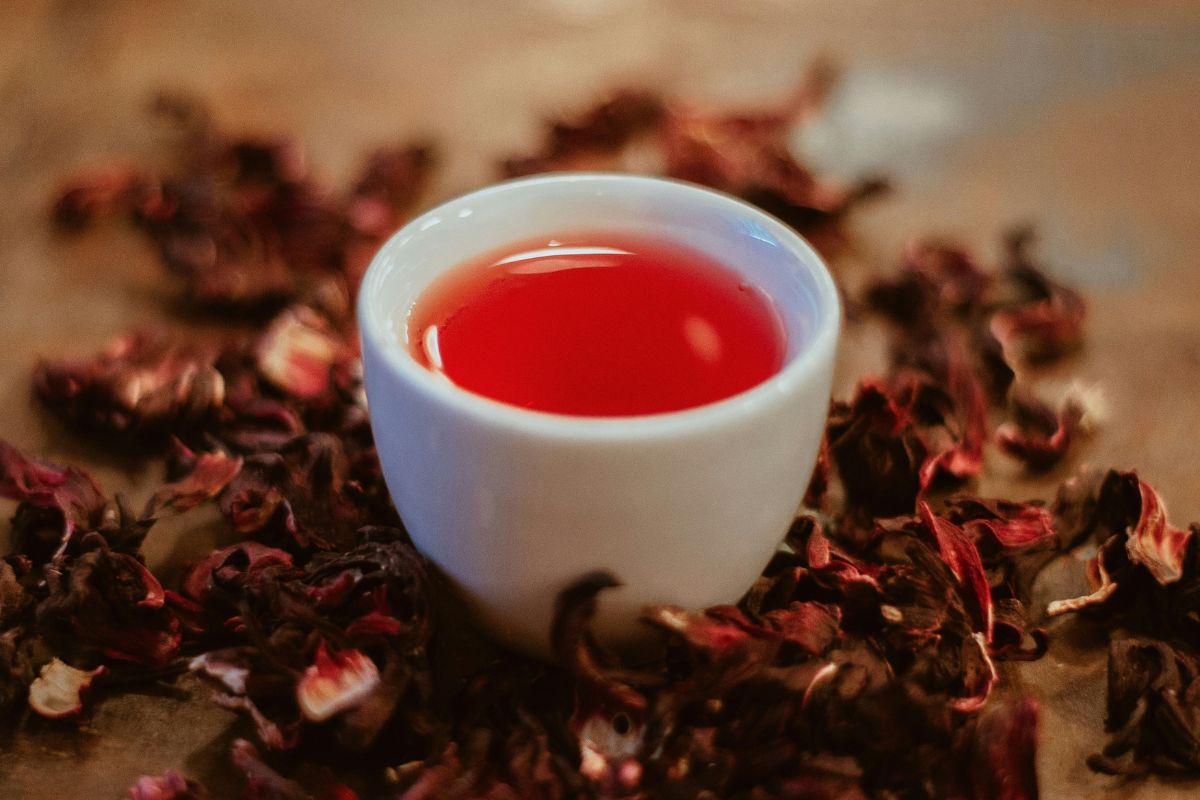

Many people enjoy herbal teas before bed, but a common question is does hibiscus tea make you sleepy. Known for its tart flavor and caffeine-free nature, hibiscus tea is often linked to relaxation and nighttime routines.
However, its actual effects on sleep can vary from person to person. In this article, we’ll explore 5 key facts to understand whether hibiscus tea really helps you unwind before bedtime.
1. What Is Hibiscus Tea?
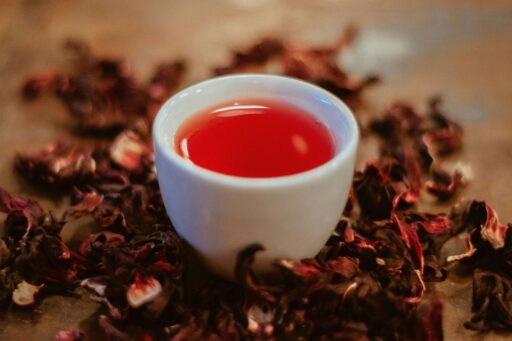
Hibiscus tea is a herbal beverage made from the dried calyces of the Hibiscus sabdariffa plant. Known for its vibrant red color and tart cranberry-like character, this caffeine-free drink is widely enjoyed in both hot and iced preparations across many cultures.
Rich in antioxidants and plant compounds, hibiscus tea is often included in wellness-focused routines and relaxing evening drinks. Its refreshing profile pairs well with honey, citrus, mint, and fruit blends, making it a versatile option for people who enjoy bold herbal infusions without caffeine.
2. Does Hibiscus Tea Make You Sleepy?
Yes, hibiscus tea can make some people feel sleepy because it is naturally caffeine-free and may help support a calmer evening routine.
Its relaxing effect is often linked to the way warm herbal drinks can help reduce tension and promote a more restful state before bedtime.
Some individuals also notice a mild calming sensation because hibiscus tea may help lower blood pressure and support nervous system relaxation, which leads many people to ask hibiscus tea does it make you sleepy.
People wondering how long does hibiscus tea make you sleepy should know that the effect can vary depending on serving size, personal sensitivity, and the time the tea is consumed.
>>> Read More: Does Herbal Tea Have Caffeine? The Truth About Your Brew
3. Why Hibiscus Tea May Make You Feel Relaxed
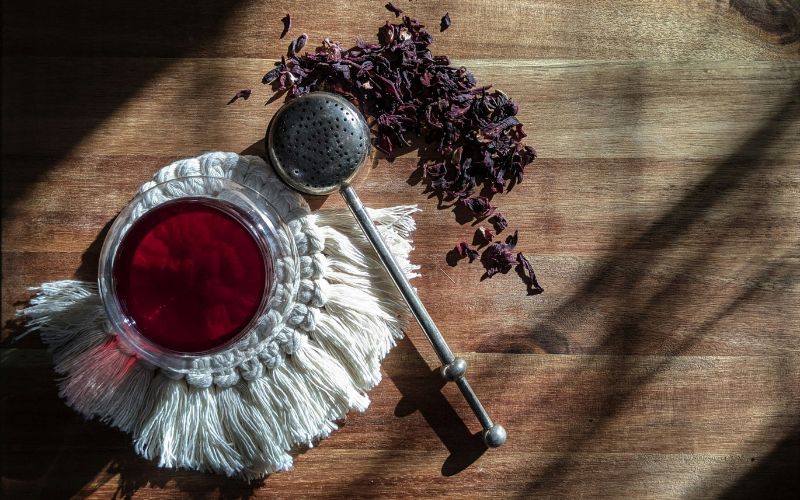
Many people drink hibiscus tea in the evening because warm herbal beverages are often associated with relaxation and stress relief. Questions about does hibiscus tea make you sleepy are common since hibiscus is naturally caffeine-free and may help support a calmer nighttime routine.
Naturally caffeine-free
Hibiscus tea contains no caffeine, making it a suitable option for people trying to avoid stimulants later in the day. Without caffeine, the body may feel more relaxed before bedtime compared to drinking coffee or black tea.
Calming evening ritual
Drinking herbal tea at night can become part of a comforting bedtime habit that helps the mind slow down after busy daily activities. Consistent evening routines are often linked to better relaxation and improved sleep preparation.
Warm beverages support relaxation
Warm drinks are commonly connected with comfort because they may help reduce physical tension and create a soothing sensation, especially for those asking does hibiscus tea make you sleepy. Slowly sipping hot hibiscus tea can encourage the body to feel calmer before sleep.
May help lower blood pressure
Some research suggests hibiscus tea may support healthy blood pressure levels in certain individuals. A more relaxed physical state may indirectly contribute to feelings of calmness and nighttime comfort.
4. Is Hibiscus Tea Good to Drink Before Bed?
Hibiscus tea is a caffeine-free herbal drink that many people enjoy in the evening as part of a calming bedtime routine. It may help relaxation, but its suitability depends on personal health and preference.
Pros
Hibiscus tea contains no caffeine, making it a good alternative to stimulants before bed. Its warm, soothing nature may help the body relax after a long day and support a more comfortable nighttime routine.
Many people ask does hibiscus tea make you sleepy, but it is more about relaxation than a direct sleep-inducing effect. It can also help with hydration while offering a lighter alternative to coffee or energy drinks.
Cons
Drinking too much hibiscus tea at night may lead to more frequent bathroom trips and possible mild diuretic effects. Its tart flavor may also not suit everyone’s evening preferences.
People with certain health conditions or those taking blood pressure medication should be cautious, as herbal teas may affect individuals differently.
>>> Also check more: Is Unsweet Tea Good For You? Unmasking The Natural Brew
5. Who Should Avoid Drinking Hibiscus Tea Before Bed?
Although hibiscus tea is a caffeine-free herbal drink, it may not be suitable for everyone before bedtime. Certain health conditions, medications, and sensitivities can affect how the body responds to it.
People on blood pressure medication
Hibiscus tea may help lower blood pressure, which could be an issue for those already taking medication for the same condition. In some cases, combining both effects may lower blood pressure too much.
People searching does hibiscus tea make you sleepy should also know that its relaxing feeling may be linked to its effects on circulation.
Pregnant individuals (depending on medical advice)
Pregnant individuals should consult a healthcare professional before regularly drinking hibiscus tea, as herbal ingredients may affect the body differently during pregnancy. Effects can vary based on health conditions and overall diet.
Some studies suggest high intake may not be recommended due to possible blood pressure or hormonal effects, so professional guidance is important.
Those sensitive to acidic drinks
Hibiscus tea is naturally tart and acidic, which may cause discomfort for people with sensitive digestion or reflux. Drinking it late at night can sometimes lead to mild heartburn or stomach irritation.
Reducing serving size or avoiding nighttime consumption may help minimize these effects.
6. How to Drink Hibiscus Tea for Relaxation
Since many people wonder does hibiscus tea make you sleepy, here are some effective ways to drink it for relaxation.
Best brewing temperature
Hot water around 90-95°C (194-203°F) usually helps release the tea’s fruity aroma and balanced tartness without creating an overly sharp finish. Proper temperature control can also produce a smoother cup that feels more comforting during evening routines.
Ideal steeping time
Steeping hibiscus tea for about 5-7 minutes often creates a balanced flavor with noticeable fruitiness and gentle tartness. Longer steeping times may produce a stronger and more acidic profile that feels heavier before bedtime.
Add-ins like honey or cinnamon
Honey may soften the tart flavor while adding a naturally smooth sweetness that feels soothing at night. Cinnamon can also create a warmer and more comforting aroma that pairs well with relaxing evening tea habits.
When to drink it
Many people prefer drinking hibiscus tea about 1-2 hours before bedtime to allow the body time to relax gradually. Consuming it too late at night may increase bathroom trips for some individuals because of overall fluid intake.
7. Final Words
Caffeine-free herbal drinks are often chosen as part of calming nighttime routines before sleep. People researching does hibiscus tea make you sleepy usually connect the tea with relaxation, warmth, and evening comfort rather than strong sedative effects.
Individual reactions can still vary depending on brewing strength, serving size, and personal sensitivity. TeaKoe offers more herbal tea guides and curated blends for readers interested in soothing bedtime beverages and relaxing tea rituals.