
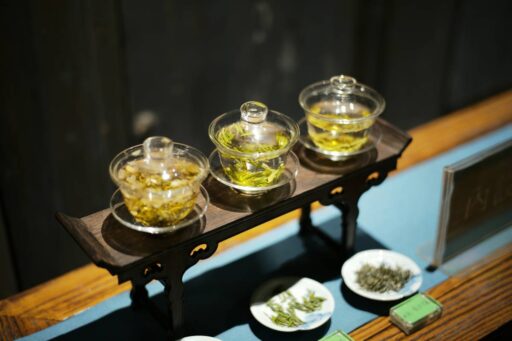
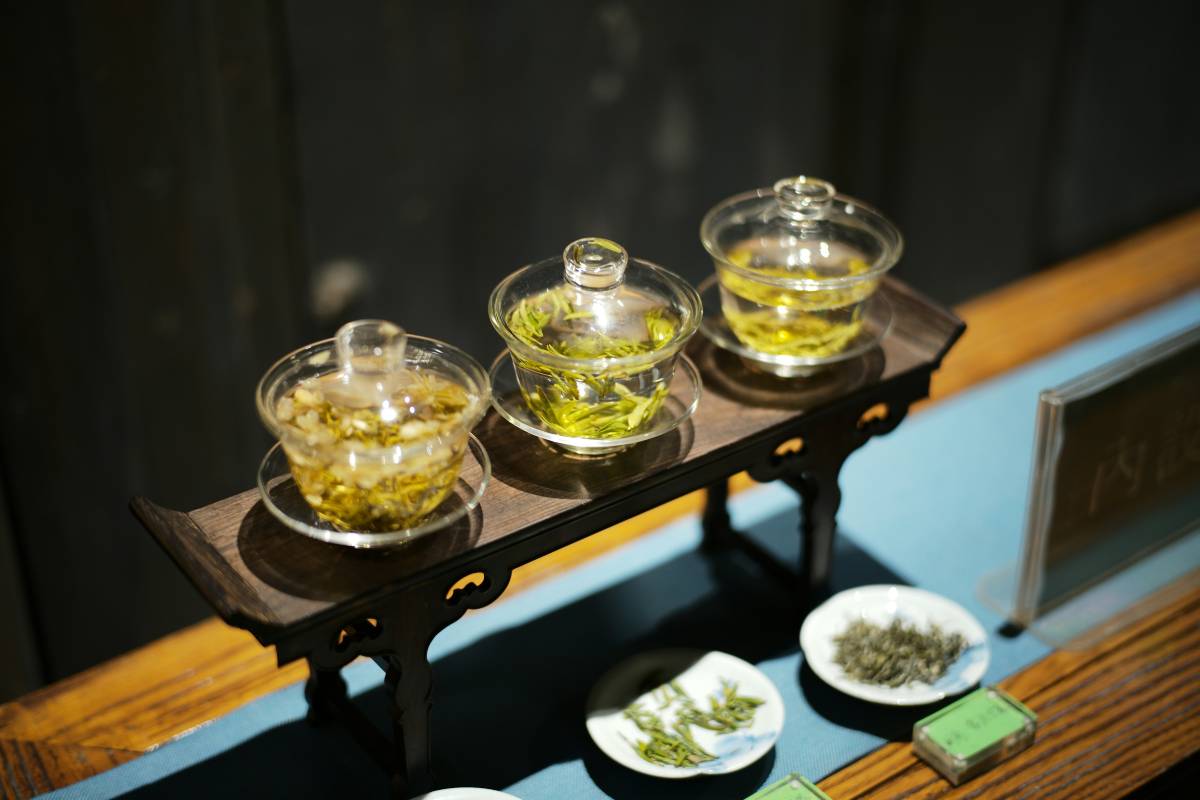

When considering does green tea break a fast, it’s helpful to think of it as a quiet companion to your fasting routine rather than a disruption.
Plain green tea contains minimal calories, so it usually fits well within fasting goals while offering a gentle sense of clarity and focus.
The key is keeping it simple without added ingredients. For a deeper perspective and practical guidance, you can explore more through TeaKoe-inspired insights.
1. Does Green Tea Break a Fast?
Plain, unsweetened green tea is generally considered safe during fasting and does not break a fast.
If you’re wondering does drinking green tea break a fast, the answer is no in its simplest form, because it contains almost no calories and does not trigger a significant insulin response.
In fact, it may even support fasting benefits such as fat oxidation and cellular processes like autophagy in some individuals during fasting.
However, the situation changes once additives are introduced. Sugar, milk, syrups, or flavored bottled teas can add calories and disrupt the fasting state.
To stay within fasting guidelines, it’s best to stick with pure, freshly brewed green tea. It can also help manage hunger and reduce craving for some people, making fasting periods easier to manage.
2. Why Green Tea Is Popular During Fasting?
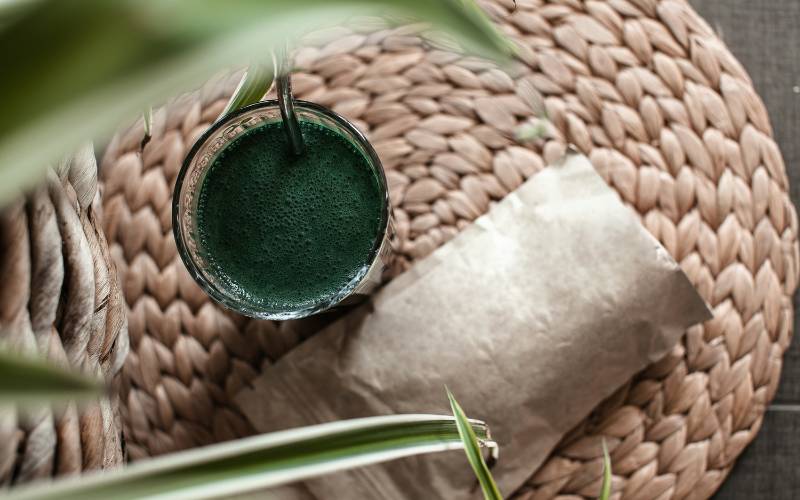
Green tea has become a go-to drink for many people following fasting routines, not just for its simplicity but for how it supports the body during longer fasting windows.
Its combination of hydration, light stimulation, and functional compounds makes it easier to stay consistent without disrupting the fast.
It Does Not Break the Fast
Plain green tea, when consumed without sugar, milk, or added flavors, contains almost no calories and does not trigger an insulin response.
This allows the body to remain in a fasting state without interrupting key metabolic processes. It supports the body’s ability to stay in fat-burning mode naturally.
Because of this, processes such as ketosis and autophagy can continue without disruption.
Drinking green tea in its pure form helps maintain fasting benefits while still providing a light and refreshing option during fasting periods.
Powerful Appetite Suppressant
Green tea can help manage hunger and reduce cravings, especially during the early stages of a fasting routine.
Its natural compounds, particularly catechins, may influence appetite signals and make it easier to handle periods without food.
Reducing the urge to snack, it supports better adherence to fasting windows.
This makes the overall experience more manageable, helping you stay consistent without feeling overly restricted or uncomfortable throughout the day.
Boosts Fat Oxidation and Metabolism
Green tea contains active compounds like EGCG and a small amount of caffeine that work together to support fat oxidation.
This combination helps the body use stored fat as an energy source more efficiently, both at rest and during physical activity.
In addition, green tea may slightly increase overall energy expenditure, supporting a more active metabolism.
While the effect is moderate, it can complement fasting by encouraging the body to rely more on fat stores over time.
Enhances Mental Clarity and Focus
Fasting can sometimes cause brain fog, but the caffeine in green tea provides a gentle energy boost.
It also contains L-theanine, an amino acid that works with caffeine to improve focus and mood without causing the jitters often associated with coffee.
Supports Autophagy and Cellular Repair
Fasting activates autophagy, a process where the body clears out damaged cells and supports renewal at a deeper level.
Green tea provides antioxidants like polyphenols that may complement autophagy and cellular repair during fasting by supporting overall health.
When considering does green tea break a fast, plain green tea does not interfere with these processes. Instead, it works alongside fasting by supporting cellular maintenance while keeping the body in a stable, fasted state.
Comfort and Hydration
Warm green tea can create a calming routine during fasting, helping reduce the urge to snack out of habit rather than hunger. The simple act of sipping something warm adds a sense of comfort, making fasting periods feel less restrictive.
At the same time, it supports hydration without adding calories or disrupting the fast. This combination of comfort and fluid intake makes green tea a practical choice for staying balanced and consistent throughout fasting windows.
>>> Read more: Does Matcha Have Caffeine? The Review of Energy Boosts
3. How to Drink Green Tea While Fasting (Best Practices)
How you consume green tea during fasting can directly affect whether you maintain its benefits or unintentionally disrupt them. Paying attention to small details helps keep your fasting routine clean, effective, and easier to sustain over time.
Drink plain (no sugar)
Green tea should always be consumed without sugar, honey, or artificial sweeteners during fasting.
Even a small amount of added sweetness can introduce calories and trigger an insulin response, which may interrupt fat-burning processes. Keeping it plain ensures your body stays in a true fasted state.
This simple approach also allows you to benefit from green tea’s natural compounds without interference.
Over time, drinking it plain becomes easier and helps reinforce a more disciplined and consistent fasting routine.
Avoid additives
Additives like milk, creamers, syrups, or flavored powders can quickly turn green tea into a calorie-containing drink.
These ingredients may break your fast and reduce the effectiveness of metabolic processes like ketosis or fat oxidation.
Even packaged or flavored teas can contain hidden sugars or additives.
Choosing freshly brewed, simple green tea helps you avoid these issues and keeps your fasting practice aligned with its intended benefits.
Moderate intake
Although green tea is generally beneficial, consuming too much can lead to caffeine-related side effects such as restlessness, headaches, or stomach discomfort.
These effects may feel stronger during fasting since there is no food to slow absorption.
Drinking in moderation helps maintain balance while still supporting focus and hydration.
Spacing your intake throughout the day allows your body to respond better and keeps your fasting routine more comfortable and sustainable.
4. Who Should Be Careful with Green Tea While Fasting?
Not every fasting routine responds the same way to caffeinated drinks, especially when consumed on an empty stomach.
While this beverage is often seen as light and beneficial, certain individuals may experience different reactions depending on their sensitivity and overall health condition.
People Sensitive to Caffeine
Even though it has a lower caffeine content than coffee, it can still trigger noticeable effects in sensitive individuals.
Symptoms like restlessness, mild anxiety, or a faster heartbeat may become more apparent during fasting periods.
Without food to slow absorption, caffeine enters the bloodstream more quickly. Adjusting intake or choosing lighter brews can help reduce these effects while still allowing you to include it in your routine.
Individuals with Sensitive Stomachs
Consuming it on an empty stomach may lead to discomfort for some people. Natural compounds in the drink can stimulate acid production, which may cause nausea or a slightly uneasy feeling during fasting.
This reaction varies depending on the individual, but it is more noticeable without food present.
Reducing strength or drinking smaller amounts can help make it more comfortable to include.
People with Sleep Sensitivity
Even moderate caffeine intake can affect sleep quality, especially when consumed later in the day. This can lead to difficulty falling asleep or reduced restfulness for those who are more sensitive.
During fasting, the body may process caffeine more quickly, making the effect stronger. Limiting consumption to earlier hours can help maintain a more stable sleep pattern.
Individuals Taking Certain Medications
Some medications may interact with compounds found in this drink, affecting how they are absorbed or processed. This can influence both effectiveness and potential side effects over time.
Fasting may intensify these interactions because there is no food to buffer absorption. Consulting a healthcare professional can help ensure it fits safely into your routine.
>>> Read more: Is Unsweet Tea Good For You? Unmasking The Natural Brew
5. Common Inquiries Regarding Green Tea And Weight Loss Diets
When combining fasting with weight management, even small variations in what you drink can influence your results more than expected.
Many people assume all tea works the same, but differences in ingredients, preparation, and added elements can change how your body responds during fasting.
Does matcha green tea break a fast?
Matcha does have more compounds and calories than regular green tea due to the whole leaf, so it may slightly interfere with fasting if consumed in large amounts. However, when consumed without additives, it’s often still considered acceptable during fasting.
Does green tea with lemon break a fast?
Fresh lemon juice in a small amount adds very few calories and typically does not break a fast. It can improve the taste and make fasting periods easier to maintain without affecting metabolic processes. However, adding sugar or sweeteners along with lemon can interrupt the fasting state.
Does plain green tea break a fast?
Plain green tea does not break a fast when consumed without additives. It contains almost no calories and does not cause a significant insulin response in the body. This makes it one of the most reliable drink options during fasting periods.
6. Final Words
Thinking about does green tea break a fast is really about finding a balance between discipline and enjoyment.
A simple cup of plain green tea can fit naturally into your fasting routine, offering a light boost without interrupting your goals. It’s these small, intentional choices that shape a more sustainable habit.
With TeaKoe, you can discover clean, carefully crafted teas that support both focus and a more mindful daily rhythm.