



If you’re curious about what does chamomile tea taste like, it’s often described as soft, lightly sweet, and gently floral.
The flavor feels calming rather than bold, making it a popular choice for relaxing moments. Its smooth profile can vary slightly depending on how it’s brewed and the quality of the flowers used.
For a deeper look into its taste and how to prepare it well, you can explore more through TeaKoe-inspired guidance.
1. What Does Chamomile Tea Taste Like?
Chamomile tea delivers a soft and calming flavor that feels both light and naturally pleasant on the palate.
Its profile leans toward gentle floral notes with a subtle hint of apple-like sweetness, layered with a mild herbal touch that adds depth without overpowering.
When steeped correctly, the tea remains smooth and clean, with little to no bitternes when brewed properly.
If you’re exploring chamomile tea what does it taste like, it’s best understood as a delicate, slightly sweet infusion designed for relaxation.
2. What Gives Chamomile Tea Its Flavor?
The signature flavor of chamomile tea is not just about the flower itself, but how a few simple ingredients come together to create a naturally soothing and balanced infusion.
From the delicate petals to the optional herbal accents, each element subtly shapes the tea’s aroma, sweetness, and overall drinking experience.
| Ingredient | Role in Flavor |
| Fresh chamomile flowers | Main source of flavor, delivering floral notes, gentle sweetness, and apple-like nuances |
| Boiling water | Helps release essential oils and extract the tea’s soft, aromatic profile |
| Additional herbs (optional) | Adds a refreshing layer with a light, cool sweetness that enhances complexity |
3. How to Make Chamomile Tea Taste Better
A great cup of chamomile tea is already soothing, but if you’ve ever wondered what does chamomile tea taste like, a few small adjustments can help you experience its flavor at its best.
From ingredient choices to brewing techniques, these simple methods help bring out a richer, more balanced taste.
Choose Fresh, Whole Chamomile Flowers
Using whole chamomile blossoms instead of standard tea bags can improve both aroma and taste.
Intact flowers may retain more aroma and flavor compared to older or lower-quality tea, giving the tea a brighter floral character and a gentle apple-like sweetness that feels more natural.
Freshness also matters. Recently harvested or properly stored chamomile delivers a cleaner profile with more noticeable fragrance, while older ingredients may taste dull or flat.
Fine-Tune Steeping Time for Balance
The way chamomile is steeped plays a major role in its final flavor.
Letting the flowers infuse for about 5 to 7 minutes allows the soft floral notes and mild sweetness to develop fully without becoming overpowering.
If steeped too long, the tea may develop a slightly stronger or more bitter taste. Paying attention to timing helps maintain a light, pleasant finish.
Enhance Flavor with Natural Additions
Adding a small amount of honey can elevate chamomile’s gentle sweetness while keeping the taste harmonious and smooth.
It blends naturally with the floral profile, creating a more rounded and comforting cup.
You can also include a slice of lemon or a pinch of spice for a subtle variation. These additions brighten the flavor and introduce a delicate contrast without overwhelming the tea.
Blend with Complementary Herbs
Combining chamomile with other herbs offers a simple way to create a more layered taste. Ingredients like mint or lemongrass can introduce freshness, while lavender adds a soft aromatic depth.
This method allows you to tailor each cup to your preference. The result is a more dynamic infusion that still preserves chamomile’s signature calming quality.
>>> Read more: How To Make Matcha: Ultimate Traditional Recipe 2026
4. Who Will Fall in Love With Chamomile Tea?
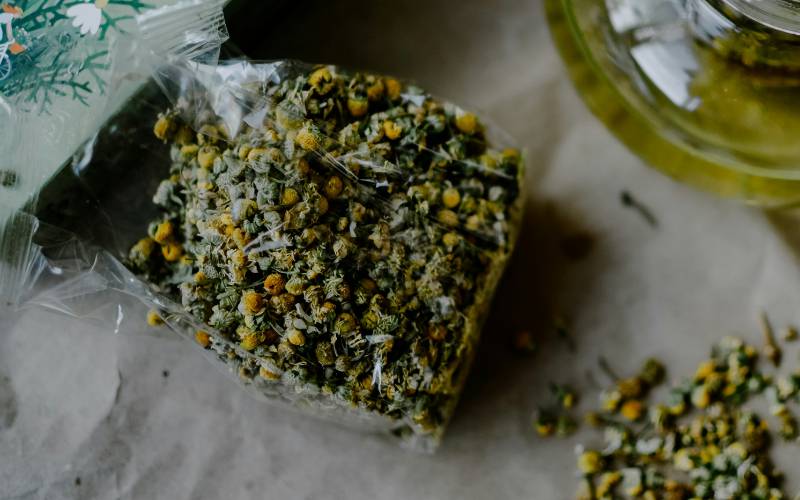
There is an almost hidden charm in this herbal concoction; it never attempts to amaze anyone with its forcefulness but somehow manages to win favor eventually. This soft and mild nature is bound to appeal to those who enjoy quiet moments in their lives.
People Who Need a Way to Slow Down
After long hours of work or constant stimulation, many people look for something that helps them shift into a more relaxed state. A warm, mild herbal drink can create that transition naturally, without requiring effort or attention.
Over time, it becomes more than just a beverage. It turns into a signal for the body and mind to unwind, especially in the evening when rest becomes a priority.
Those Avoiding Stimulants in Daily Life
For individuals trying to reduce caffeine intake, finding a satisfying alternative is important. A naturally caffeine-free option allows them to enjoy a warm drink without worrying about sleep disruption or unwanted side effects.
This makes it suitable at any time of day, including late evenings. Many people value that flexibility, especially when building healthier daily habits.
Fans of Subtle, Easy-Drinking Flavors
Not everyone enjoys bold or bitter beverages, and some prefer something softer and more balanced. A light floral profile with gentle sweetness can feel much more approachable and pleasant for everyday sipping.
This type of flavor doesn’t overwhelm the palate. Instead, it creates a smooth, calming experience that appeals to those who enjoy understated drinks.
People Creating Small Self-Care Rituals
For many, a simple cup of herbal tea becomes part of a daily ritual rather than just a drink. It pairs naturally with quiet activities like reading, journaling, or simply taking a break from screens.
These small habits can feel grounding over time. The consistency of the experience helps create a sense of comfort, making each moment more intentional and relaxing.
>>> Read more: Is Unsweet Tea Good For You? Unmasking The Natural Brew
5. FAQs: Chamomile Tea Taste and Experience
Sometimes, understanding a herbal tea goes beyond its basic flavor. It’s about how it blends with other ingredients and how it makes you feel. These quick answers will give you a clearer picture of different variations and what to expect in real life.
What does chamomile lavender tea taste like?
When blended with lavender, the infusion becomes more aromatic and layered, combining soft floral sweetness with a slightly perfumed, calming scent. The lavender adds depth, making the tea feel richer and more fragrant compared to plain chamomile.
In many recipes, this combination is often enhanced with honey or lemon, creating a smoother and more balanced flavor experience.
What does chamomile mint blossom tea taste like?
Adding mint introduces a refreshing contrast that lifts the naturally mild and slightly sweet chamomile base. The result is a cleaner, cooler taste that feels more vibrant while still maintaining a soothing character. Mint is commonly infused alongside chamomile to create a more dynamic and refreshing herbal profile.
Does chamomile tea actually make you sleepy?
Chamomile is widely known for its calming properties, largely due to natural compounds that help relax the body and mind.
While it doesn’t work like a strong sedative, it can support better sleep when consumed regularly, especially as part of an evening routine. Many people also find that the warmth and ritual of drinking it contribute to a gradual sense of relaxation.
Who should not drink chamomile tea?
Although generally safe, this herbal tea may not be suitable for everyone, particularly those allergic to plants in the daisy family. It can also interact with certain medications, including blood thinners, so medical advice is recommended if you have concerns, which may increase health risks.
Additionally, pregnant individuals should consult a healthcare professional before consuming chamomile tea, as recommendations may vary.
6. Final Words
A cup like this is less about intensity and more about balance, where gentle floral notes meet a soft, naturally sweet finish. It fits easily into quiet moments, whether you’re starting the day slowly or winding down at night.
Once you notice what does chamomile tea taste like, those subtle layers become much more enjoyable with every sip. If you want to explore it further, TeaKoe offers simple guides and better tea choices to elevate your experience.