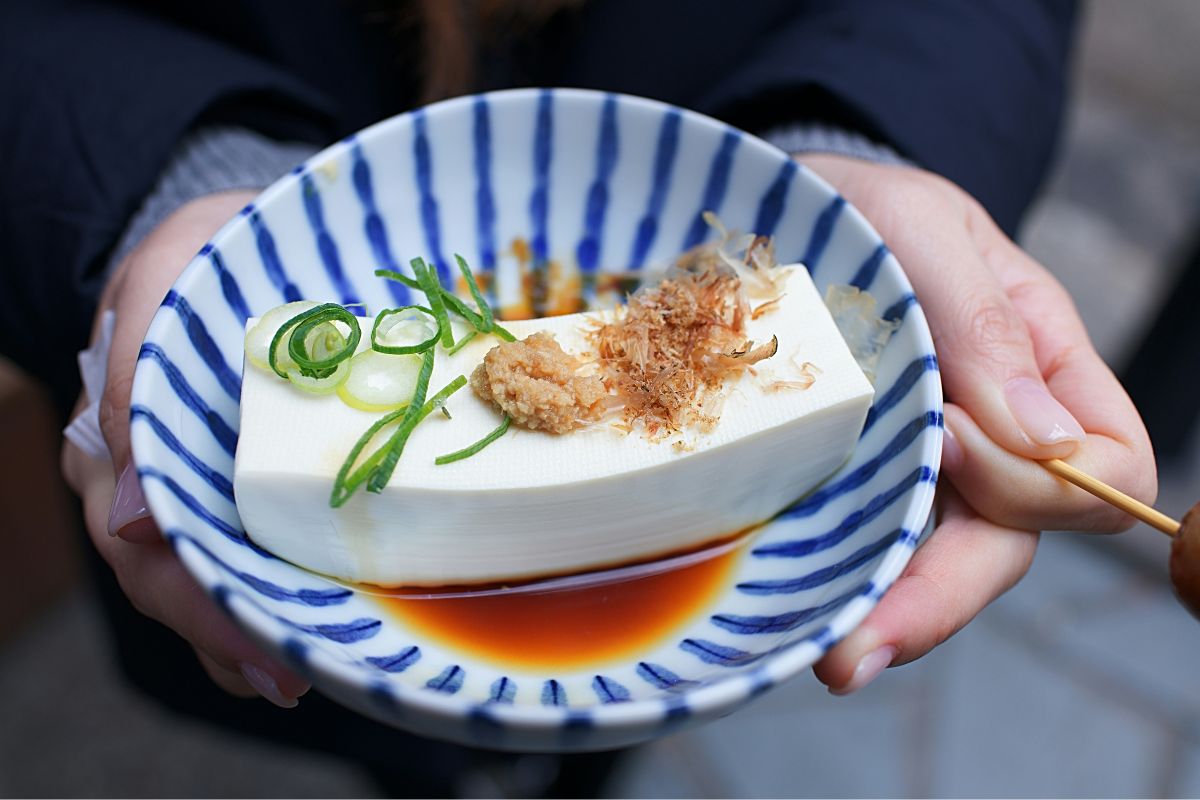

A block of plain tofu may not reveal much about the dishes it can become once it reaches the pan. From soft and delicate to crisp and deeply seasoned, tofu can take on many different characteristics depending on how it is prepared.
If you’re wondering what does tofu taste like, follow TeaKoe below for a closer look at its flavor and practical ways to serve it.
1. What Does Tofu Taste Like?
Plain tofu has a very mild, neutral flavor with a faint bean-like note that closely resembles unsweetened soy milk.
Its taste is subtle rather than distinctive, which allows it to absorb marinades, sauces, spices, and seasonings easily. Depending on the type, tofu may also have a lightly creamy or slightly nutty finish.
2. What Does Tofu Taste Similar To?
Mild flavor and adaptable texture make this soy-based food surprisingly easy to compare with several familiar ingredients.
If you have no idea what does tofu taste like, think of subtle dairy-like creaminess, gentle soybean notes, and a neutral base that changes noticeably with texture and preparation.
Mild Fresh Cheese
Soft or silken tofu can resemble mild fresh cheeses because both have a delicate flavor and smooth, creamy mouthfeel.
Tofu is usually less tangy and less salty, though, with a cleaner soybean note. Firmer varieties can also feel similar to pressed fresh cheese once cooked or lightly seasoned.
Egg White
Firm tofu can sometimes remind people of cooked egg white, especially because both have a mild flavor and soft yet structured texture.
Tofu is slightly more bean-like and less sulfurous, while egg white has a more distinct savory character. Both work well with stronger sauces and seasonings.
Edamame/Soybeans
Since tofu is made from soybeans, its closest natural flavor comparison is edamame or unsweetened soy milk.
Expect a very gentle bean-like taste with mild nuttiness rather than the fresher, greener sweetness found in whole edamame. Processing softens that soybean flavor considerably.
Paneer
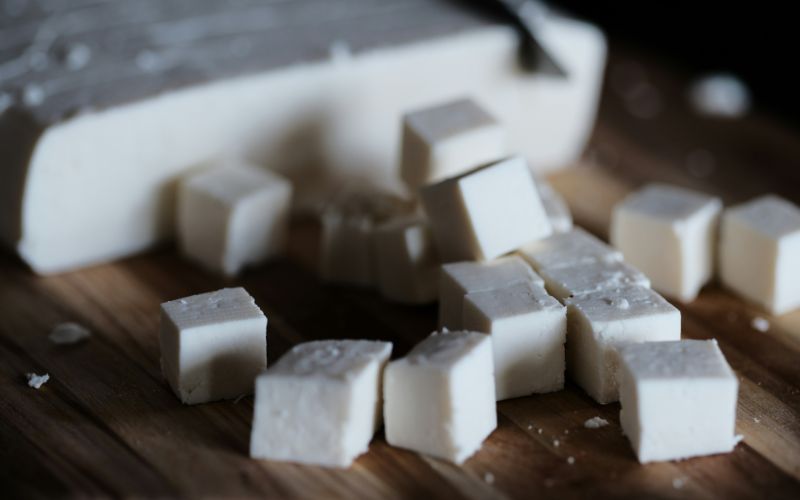
Firm tofu can resemble paneer in texture because both hold their shape well and absorb surrounding flavors during cooking. Paneer tastes richer and milkier, while tofu is lighter and more neutral with subtle soybean notes.
>>> Read More: How to Reheat Risotto Without Losing Its Creamy Texture
3. How to Eat Tofu for Beginners?
Drain the tofu and gently press it between paper towels or a clean kitchen towel for about 15-30 minutes. Removing extra water helps the surface brown more effectively and allows marinades or seasonings to absorb more evenly during cooking.
Step 3: Cut It Into Even Pieces
Slice the tofu into cubes, strips, or slabs of similar size so each piece cooks at roughly the same rate. Smaller cubes develop more browned edges, while larger pieces stay softer inside and work well for sandwiches, bowls, or plated meals.
Step 4: Add Flavor Before Cooking
Tofu benefits from seasoning because its natural taste is quite mild. Marinate it with soy sauce, garlic, sesame oil, ginger, chili, or your favorite spices for at least 15-30 minutes so the surface takes on more savory depth.
Step 5: Cook Until Lightly Crisp
Pan-fry, bake, or air-fry the tofu until the outside turns golden and slightly crisp. Browning adds a firmer texture and deeper flavor, making tofu more appealing for beginners who may not enjoy its softer texture when eaten plain.
Step 6: Pair It With Familiar Foods
Serve tofu with rice, noodles, vegetables, curry, salad, or a favorite dipping sauce. Combining it with familiar flavors makes the experience less intimidating and helps you notice how easily tofu adapts to different cuisines and seasoning styles.
4. Is there a downside to eating tofu?
For most people, tofu fits comfortably into a balanced diet, but a few individual factors can affect how well it is tolerated.
Beyond wondering what does tofu taste like, it is also worth knowing when allergies, digestion, medications, or specific medical conditions may call for extra care.
Soy Allergies
Anyone with a diagnosed soy allergy should avoid tofu because it is made directly from soybeans. Even a small serving can trigger reactions such as hives, swelling, stomach symptoms, or breathing difficulties.
People with a known allergy should check ingredient labels carefully and follow medical advice.
Hormone-Sensitive Conditions
Tofu contains isoflavones, naturally occurring plant compounds with weak estrogen-like activity.
Current evidence generally supports moderate soy intake for most people, including many breast cancer survivors, but anyone receiving hormone-related treatment should follow guidance from their doctor or oncology team.
Digestive Discomfort
Large servings of tofu may cause bloating, gas, or mild indigestion in some people, especially those who are not used to eating soy regularly. Starting with smaller portions and increasing intake gradually can make it easier to judge personal tolerance.
Antinutrients
Soybeans naturally contain compounds such as phytates and trypsin inhibitors that can reduce absorption of certain nutrients. Tofu processing, soaking, heating, and cooking significantly reduce these compounds, so they are generally not considered a major concern in a varied diet.
Thyroid Medication Concerns
Soy foods do not appear to harm thyroid function in most people, but they can affect absorption of thyroid medication if eaten too close to the dose.
People taking levothyroxine are usually advised to keep soy intake consistent and separate it from medication according to their clinician’s instructions.
5. FAQs about What Tofu Tastes Like
Flavor often depends less on tofu itself and more on how it is seasoned, cooked, and paired with other ingredients.
Do You Need to Marinate Tofu?
Marinating is not required, but it can make tofu much more flavorful because its mild taste pairs well with sauces and seasonings. Soy sauce, garlic, ginger, sesame oil, chili, or citrus-based marinades all work well, especially with firm and extra-firm varieties.
Is Tofu Supposed to Taste Bland?
Plain tofu is naturally mild and can seem bland when eaten without seasoning. That neutral character is actually one of its strengths, since it readily takes on the flavor of marinades, sauces, spices, and cooking methods used in the dish.
Does Tofu Taste Different When Cooked?
Yes, cooking can noticeably change both flavor and texture. Pan-frying, baking, or air-frying creates browned edges and a nuttier, more savory taste, while steaming or simmering keeps tofu softer and allows surrounding sauces or broths to shape its flavor.
6. Final Thoughts
Tofu may start with a mild flavor, but the final result depends heavily on how you season and prepare it. So, what does tofu taste like? Texture matters just as much as flavor, with different methods producing anything from silky and creamy to crisp and savory.
Marinades, sauces, spices, and cooking techniques can make each dish feel completely different. Head to TeaKoe for more practical flavor guides, cooking tips, and inspiration for making everyday ingredients more enjoyable.