
Crisp vegetables, lively acidity, savory depth, and warming spice come together differently depending on how long kimchi has fermented. If you are wondering what does kimchi taste like, fresh batches tend to be crunchy and bright, while mature versions develop deeper sour and umami notes.
Ingredients, seasoning, and fermentation time all shape the final flavor. Refer to the TeaKoe guide below for more tasting insights.
1. What Does Kimchi Taste Like?
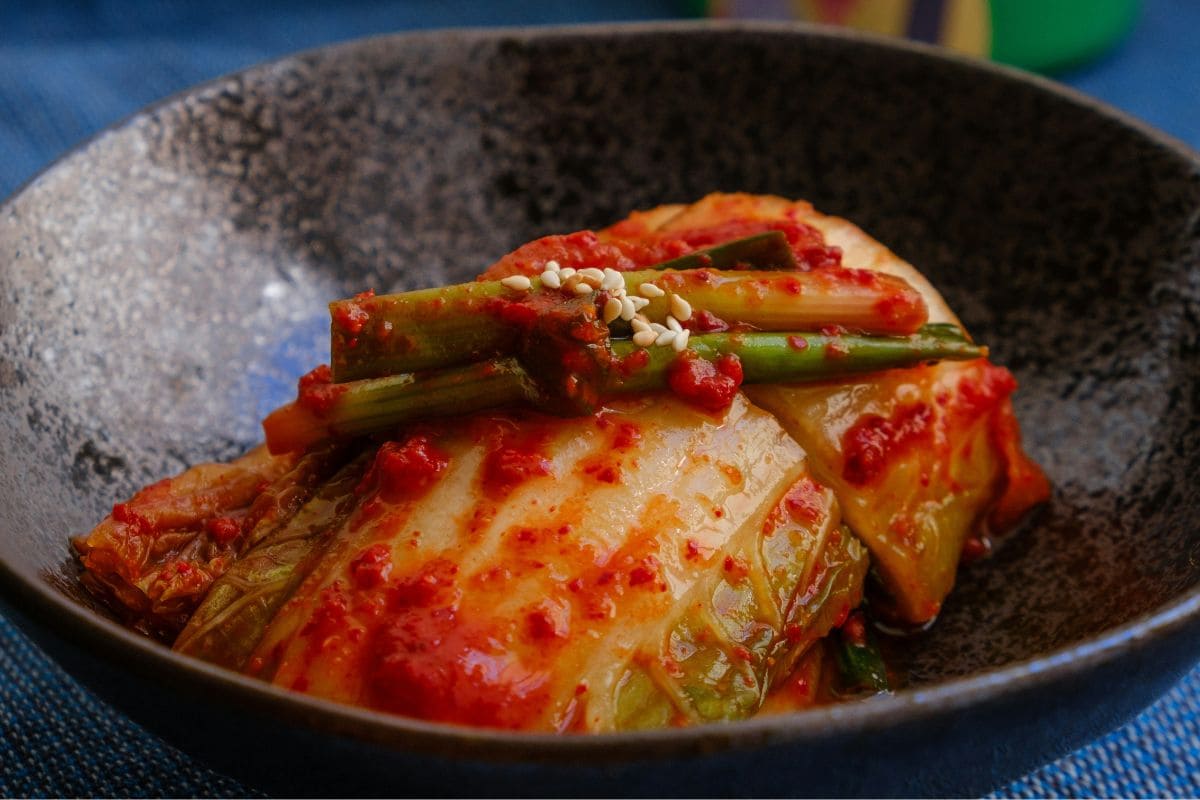
If you are wondering what does kimchi taste like, expect a lively mix of tanginess, spice, sourness, and savory umami. Fermentation deepens the flavor over time, while the vegetables retain a satisfying crunch.
Depending on the recipe, you may also notice hints of garlic, ginger, chili, and subtle sweetness.
2. What Does Kimchi Smell Like
Kimchi has a bold, pungent aroma shaped by fermentation and strongly flavored ingredients such as garlic, chili, and cabbage.
Fresh batches smell sharper and more vegetal, while older kimchi develops a deeper sourness. Its scent can be intense, but it usually reflects the same savory complexity found in its flavor.
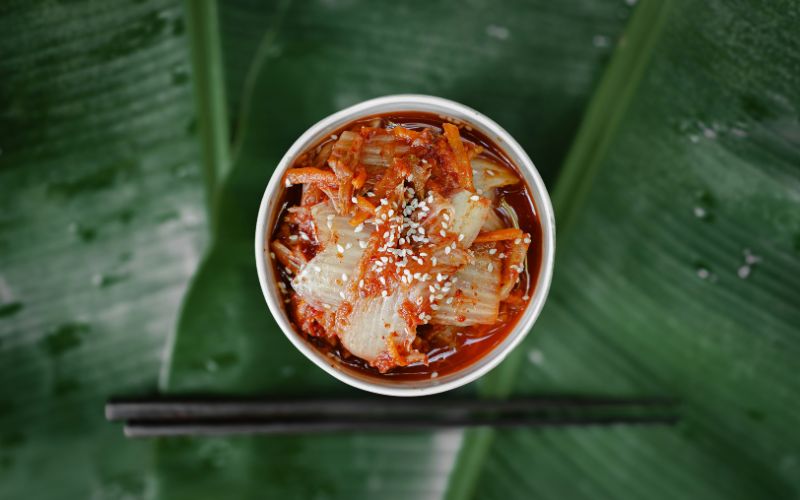
3. Fresh Kimchi vs. Fermented Kimchi: The Flavor Changes With Time
Fermentation gradually changes kimchi from crisp and vibrant to deeper, sharper, and more complex. Texture, acidity, aroma, and umami all evolve as the ingredients continue to mature.
Younger Kimchi: Bright, Fresh and Crunchy
Freshly made kimchi tastes lively and vegetable-forward, with crisp cabbage or radish, noticeable chili, garlic, and only mild sourness. Its flavor feels cleaner and lighter because fermentation has not yet developed much acidity.
Developing Kimchi: Balanced and Tangy
As fermentation progresses, the flavors begin to blend more smoothly. When exploring what does kimchi taste like, this stage often shows the balance especially well: tanginess becomes more noticeable, the vegetables soften slightly, and savory umami starts to deepen while the original spice and freshness remain easy to recognize.
More Mature Kimchi: Sour, Funky, and Complex
Well-fermented kimchi develops stronger acidity, a softer texture, and a more pronounced fermented aroma.
Sourness becomes dominant, while deeper savory and slightly funky notes make mature kimchi especially suitable for stews, fried rice, and other cooked dishes.
4. Cabbage, Radish, or Cucumber: How Does the Base Change the Bite?
Different vegetables absorb seasoning and ferment in their own way, so the base ingredient has a major effect on texture and flavor. Cabbage tends to be softer and layered, radish is firmer and juicier, while cucumber delivers the freshest, lightest bite.
| Kimchi Base | Flavor | Texture | Fermentation Character | Best For |
|---|---|---|---|---|
| Cabbage | Savory, spicy, tangy, slightly sweet | Layered, crisp when young, softer with age | Develops deep sourness and umami | Everyday side dishes, stews, fried rice |
| Radish | Fresh, peppery, mildly sweet, tangy | Firm, juicy, crunchy | Keeps more bite as it ferments | Grilled foods, rice dishes, soups |
| Cucumber | Bright, fresh, lightly spicy | Crisp, watery, refreshing | Usually lighter and best eaten younger | Warm-weather meals, quick side dishes |
>>> Read More: How to Reheat Chipotle Bowl Without Ruining the Toppings
5. How to Eat Kimchi for the First Time?
Starting with small portions and familiar foods can make kimchi easier to appreciate if its sourness or fermented aroma feels intense at first.
If you are wondering what does kimchi taste like, tasting it in a few simple ways can help you notice its spice, crunch, acidity, and savory depth without overwhelming your palate.
Step 1: Start With a Small Bite
Try one small piece first instead of a full serving. This gives you time to notice the initial crunch, chili heat, tanginess, and savory finish without letting the fermented flavor feel too strong all at once.
Step 2: Choose Younger Kimchi
Younger kimchi is often easier for beginners because it tastes fresher, crunchier, and less sour than a mature batch. Its brighter vegetable flavor makes the garlic, chili, and seasoning easier to identify before stronger fermented notes develop.
Step 3: Pair It With Plain Rice
Serve a small amount alongside warm white rice to soften the intensity. Neutral rice balances acidity, spice, and saltiness, making each bite gentler while still allowing kimchi’s distinctive flavor to come through clearly.
Step 4: Add It to Familiar Foods
Try kimchi with eggs, noodles, grilled meat, sandwiches, or rice bowls if eating it alone feels too bold. Familiar ingredients provide a comfortable base while the kimchi adds acidity, spice, crunch, and extra savory complexity.
Step 5: Try It Cooked
Cooking kimchi in fried rice, soup, pancakes, or stew mellows some of its sharp sourness and raw pungency. Heat also brings out deeper savory flavors, making mature kimchi especially approachable for people who prefer softer, richer tastes.
6. FAQs about Kimchi Taste
Flavor can vary widely depending on ingredients, fermentation time, and the type of kimchi you try. These quick questions help explain some of the most common comparisons and unexpected notes people notice when tasting it for the first time.
Does Kimchi Taste Like Fish?
Some kimchi can have a subtle seafood-like or briny note because traditional recipes may include fish sauce, salted shrimp, or other fermented seafood. That flavor is usually blended with garlic, chili, acidity, and umami rather than tasting strongly fishy.
Does Kimchi Taste Like Sauerkraut?
Kimchi and sauerkraut both have sour, fermented flavors, but they taste quite different overall. Sauerkraut is usually simpler and more cabbage-forward, while kimchi tends to be spicier, more aromatic, and more savory because of ingredients such as chili, garlic, ginger, and fermented seasonings.
Is Kimchi Supposed to Taste Sour?
Yes, sourness is a normal part of fermented kimchi and becomes stronger as it matures. Younger kimchi tastes fresher and less acidic, while older batches develop sharper tanginess, deeper umami, and a more pronounced fermented character.
7. Final Thoughts
Bright crunch, savory depth, chili heat, and fermented tang all play a role in shaping kimchi’s distinctive flavor. Learning what does kimchi taste like becomes easier once you compare fresh and mature batches and notice how different vegetables change the experience.
Cabbage, radish, and cucumber each bring their own texture and intensity. Starting with younger kimchi can make the first bite more approachable. For more practical flavor guides and food inspiration, explore TeaKoe.