



Sharing fruit with pets can feel harmless, but citrus needs a little care before it goes into a dog’s bowl. If you wonder can dogs eat oranges? The answer is yes, in small amounts, as long as the peel, seeds, and excess pith are removed.
TeaKoe’s guide helps dog owners understand safe serving sizes, possible stomach upset, and when oranges may not be the best treat.
1. Can Dogs Eat Oranges?
Yes, dogs can eat oranges in small amounts when the fruit is peeled, seedless, and served in bite-sized pieces. Orange flesh is not toxic to most dogs, but its natural sugar and acidity may upset sensitive stomachs if given too often.
The same idea applies to the question can dogs eat cutie oranges. Small peeled segments are usually fine as an occasional treat, but avoid the peel, seeds, and large portions, especially for dogs with digestive issues.
2. Can Dogs Eat Oranges Peels, and Seeds?
No, dogs should not eat orange peels or seeds. While the soft orange flesh can be safe in small amounts, the peel is tough, bitter, and harder for dogs to digest. It may cause stomach upset, vomiting, diarrhea, or choking, especially if swallowed in large pieces.
Seeds should also be removed before serving oranges to your dog. They add no real benefit and may create digestive irritation or blockage risks in some cases. For safer feeding, offer only peeled, seedless orange segments in small bite-sized portions.
3. Signs Your Dog May Not Tolerate Citrus Well
Some dogs enjoy a small orange slice, while others react poorly because citrus is acidic and naturally sweet.
Upset stomach
Stomach discomfort is one of the first signs that citrus may not agree with your dog. You may notice whining, restlessness, lip licking, gas, or a slightly bloated look after eating orange pieces. If this happens, stop offering citrus and return to simpler treats.
Vomiting
Vomiting can happen when a dog’s stomach reacts strongly to the fruit’s acidity, sugar, or fiber. This risk may increase if the dog eats too much, swallows peel, or has a sensitive digestive system. Offer water and contact a vet if vomiting continues.
Loose stool
Loose stool may appear several hours after your dog eats citrus, especially if the serving was too large. Even when asking can dogs eat mandarin oranges, the answer still depends on portion size and tolerance. Small, peeled pieces are safer than frequent or large servings.
Reduced appetite
Some dogs may lose interest in meals after citrus upsets their stomach. If your dog skips food, seems tired, or avoids normal treats after eating orange, the fruit may not be a good match. Remove citrus from their diet and monitor their behavior.
Disinterest in citrus smells
Not every dog likes the sharp smell of citrus, and that is perfectly normal. Turning away, sniffing once and leaving, or refusing the fruit can simply mean your dog dislikes the scent or flavor. In that case, choose a gentler dog-safe treat instead.
>>> Read more: Can I Drink Tea While Fasting? Will It Break Your Fast?
4. Some Safer Ways to Serve Oranges to Dogs
Orange can be a refreshing occasional treat for dogs, but only when it is prepared carefully and served in a small amount.
Removing peels and seeds
Always peel the orange and remove any seeds before giving it to your dog. Peels are tough to digest and may cause choking or stomach upset, while seeds add unnecessary digestive risk.
Offering small bite-sized pieces
Cut the orange flesh into small pieces that are easy for your dog to chew and swallow. Large chunks can be harder to manage, especially for small breeds or dogs that eat quickly.
Starting with tiny portions
Begin with a very small amount, such as one small segment or a few pieces. This helps you see whether your dog likes the taste and tolerates the fruit without discomfort.
Monitoring reactions afterward
Watch for signs like vomiting, loose stool, gas, or reduced appetite after your dog eats orange. If any symptoms appear, stop offering citrus and choose a gentler dog-safe treat.
Avoiding canned oranges with added sugar
Fresh oranges are a safer choice than canned versions packed in syrup. Added sugar can upset digestion and may not be suitable for dogs with weight issues, diabetes risk, or sensitive stomachs.
5. Healthy Fruit Alternatives for Dogs
Some dogs may not enjoy citrus, and others may get stomach discomfort from acidic fruits. These safer fruit options can add variety to treat time when served plain, in small portions, and prepared without seeds, pits, added sugar, or syrup.
Apples
Apples can be a crunchy, refreshing treat for many dogs when served correctly. Remove the core and seeds first, then cut the flesh into small pieces to reduce choking risk. Apple slices offer fiber and a naturally sweet taste, but portions should stay small because too much fruit can upset digestion.
Blueberries
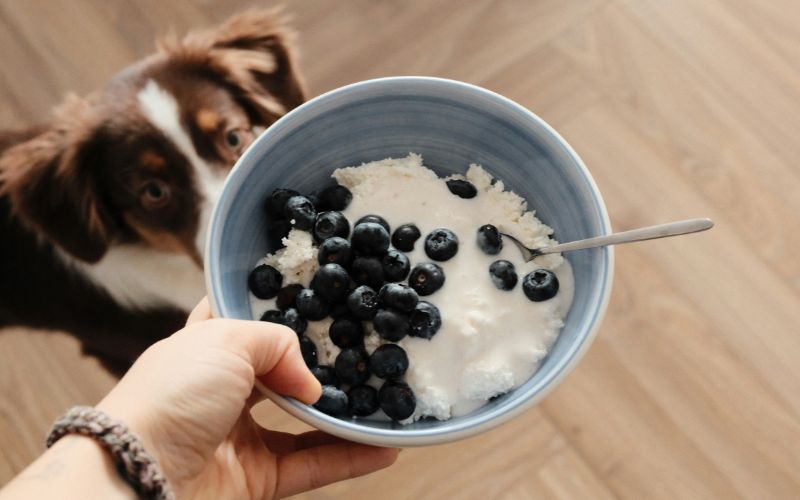
Blueberries are small, soft, and easy to serve, making them a convenient treat for dogs. They contain antioxidants and can work well as low-mess training rewards. Still, owners should offer only a few at a time, especially for small dogs, because too many berries may lead to loose stool.
Watermelon
Watermelon can be hydrating and gentle for many dogs, especially during warm weather. Always remove the rind and seeds before serving because they can be hard to digest or cause blockage risks. Plain watermelon flesh is best, and small cubes are easier for dogs to chew safely.
Strawberries
Strawberries can be a sweet occasional snack when washed, trimmed, and cut into bite-sized pieces. They provide fiber and natural flavor, but their sugar content means they should not become a daily treat. Avoid canned strawberries, syrups, or desserts because added sugar is not suitable for dogs.
Bananas
Bananas are soft, easy to chew, and often appealing to dogs that prefer mild flavors. Small slices can work as a treat or a topper, but bananas are higher in natural sugar and calories than some fruits. Serve them sparingly, especially for dogs managing weight or blood sugar concerns.
6. Final Words
Orange can be a safe occasional treat for some dogs, but careful preparation is always important. The answer to can dogs eat oranges is yes when the fruit is peeled, seedless, fresh, and served in small portions.
Still, every dog reacts differently, so owners should watch for stomach upset, vomiting, loose stool, or appetite changes after feeding citrus. For more practical pet-safe food guidance and simple serving tips, TeaKoe helps readers make smarter choices before sharing fruit with their dogs.