
Matcha has a flavor profile that can be difficult to compare with an ordinary cup of tea. So, what does matcha taste like, and why can one cup seem smooth and subtly sweet while another tastes noticeably bitter or grassy?
Quality, freshness, water temperature, and preparation all shape the flavors that come through in each sip. TeaKoe takes a closer look below at matcha’s distinctive notes and the factors that can change your tasting experience.
1. What Does Matcha Taste Like?
Matcha tastes earthy, vegetal, and slightly grassy, with a distinctive umami depth that gives it a savory character. Mild bitterness is usually balanced by natural sweetness, especially in higher-quality matcha.
Well-prepared matcha can also reveal creamy, fresh, and slightly nutty notes, creating a smooth flavor that develops gradually from the first sip to the lingering finish.
2. How Does Matcha Taste Compared to Familiar Drinks?
Comparing matcha with familiar beverages can make its unique character much easier to imagine. Green tea shares some fresh vegetal qualities, while coffee and chai offer clear contrasts in bitterness, richness, aroma, and overall flavor intensity.
| Drink | Main Flavor | Bitterness | Sweetness | Texture | Compared With Matcha |
|---|---|---|---|---|---|
| Matcha | Vegetal, earthy, umami, mildly grassy | Mild to moderate | Naturally subtle | Creamy and full-bodied | Savory, fresh, and layered |
| Green tea | Fresh, grassy, floral | Usually mild | Light | Thin and clean | Matcha tastes richer, stronger, and more concentrated |
| Coffee | Roasted, nutty, chocolatey, sometimes fruity | Moderate to strong | Low unless sweetened | Medium to full-bodied | Coffee has roasted bitterness, while matcha has vegetal bitterness and umami |
| Chai | Spiced, warming, aromatic | Low to moderate | Often noticeable | Rich and creamy | Chai emphasizes spices, while matcha focuses on fresh green and savory notes. |
Compared with green tea, matcha tastes richer, creamier, and more concentrated because the whole powdered leaf is consumed. Coffee has a stronger roasted bitterness, while matcha feels fresher and more savory.
Chai, meanwhile, is warmer and spicier, whereas matcha stands out for its vegetal, earthy, and umami notes.
>>> Read More: Does Green Tea Help You Lose Weight? Best Ways to Use It
3. Why Does Matcha Taste Different Between Different Grades and Cups?
Matcha can taste noticeably different from one brand or preparation to another, even when the powders look similar.
When exploring what does matcha taste like, factors such as grade, harvest timing, freshness, water temperature, storage, and preparation technique all influence sweetness, bitterness, umami, and texture.
Matcha Grade and Leaf Quality
Higher-quality matcha generally delivers a smoother, more balanced flavor with stronger umami and natural sweetness. Lower-grade powders can taste sharper, more bitter, or more astringent.
Culinary matcha often has a bolder profile because it is designed to remain noticeable when blended into lattes, desserts, smoothies, or baked recipes.
Growing Conditions and Shading
Tea plants used for matcha are shaded before harvest, which influences the flavor compounds inside the leaves.
Shading before harvest alters amino acids, catechins, chlorophyll, and other compounds that contribute to matcha’s umami, bitterness, astringency, and green color.
Climate, soil, sunlight, and growing region also shape the final balance between sweetness, freshness, and vegetal intensity.
Harvest Timing
Earlier harvests often use younger, more tender leaves that produce smoother and sweeter matcha. Later harvests can develop stronger vegetal notes, more bitterness, and greater astringency.
Leaf selection also matters because stems and tougher veins may be removed before grinding to create a finer, more delicate powder.
Freshness and Storage
Fresh matcha typically tastes brighter, greener, and more aromatic. Exposure to oxygen, light, heat, or humidity can quickly dull its flavor and make the powder taste stale or overly bitter.
Keeping matcha tightly sealed in a cool, dark environment helps preserve its color, aroma, and more delicate flavor notes.
Water Temperature
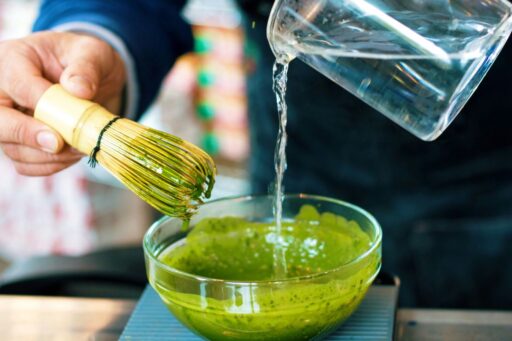
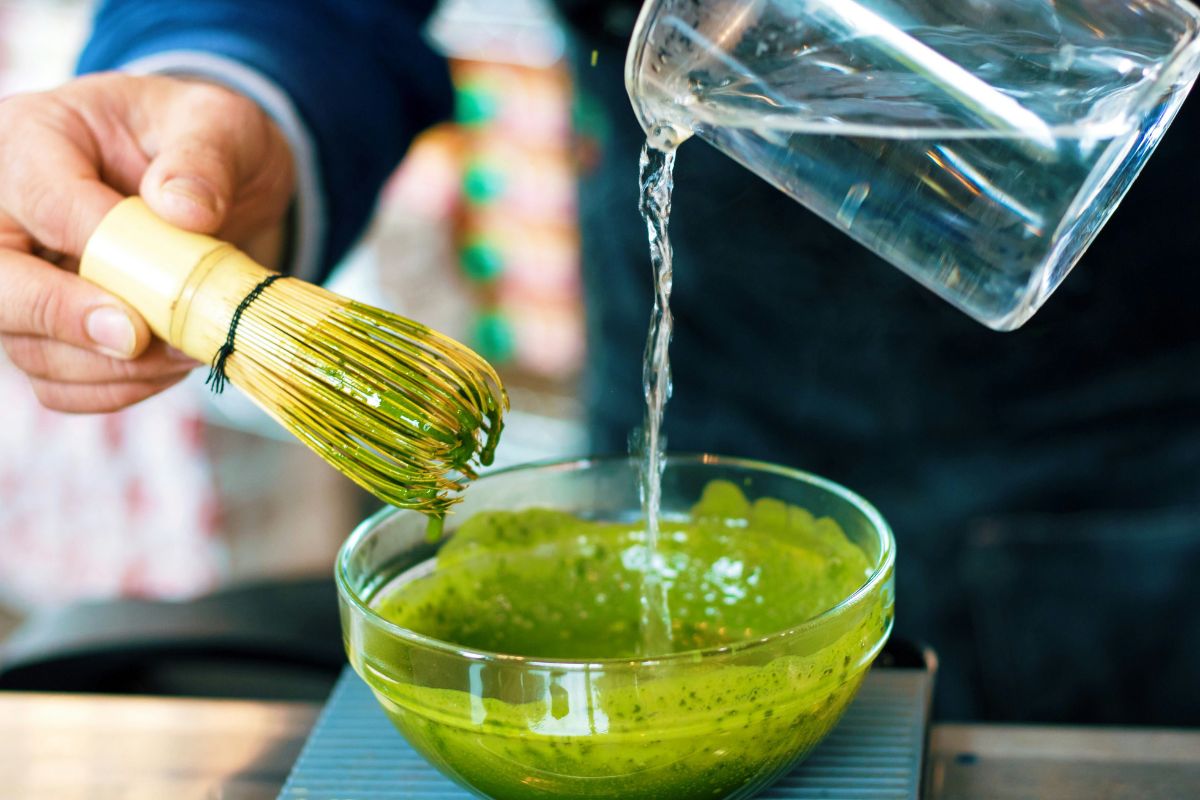
Water temperature can dramatically change how matcha tastes. Very hot water may emphasize bitterness and astringency, while slightly cooler water allows sweetness and umami to stand out more clearly.
Using water around 160-175°F often creates a smoother and more balanced cup without flattening the tea’s natural aroma.
Matcha-to-Water Ratio
Using more powder produces a stronger cup with deeper umami, thicker texture, and more noticeable bitterness. Adding more water creates a lighter, gentler drink.
Finding the right ratio depends on personal preference, but excessive powder can overwhelm the subtle sweetness found in good-quality matcha.
Whisking Technique
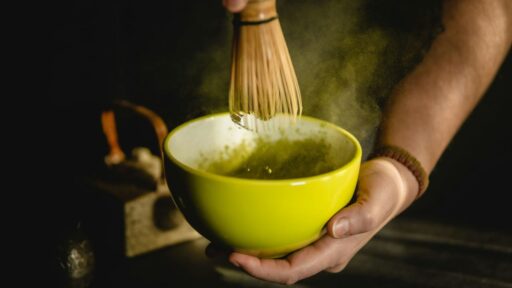
Proper whisking helps distribute matcha evenly and creates a smooth layer of fine foam across the surface. Poorly mixed powder can form clumps that taste unexpectedly intense or bitter.
Milk and Sweeteners
Adding milk changes matcha by softening its bitterness and making the texture noticeably creamier. Dairy or plant-based milk can also reduce some vegetal intensity, while honey, maple syrup, or sugar highlights the tea’s sweeter side.
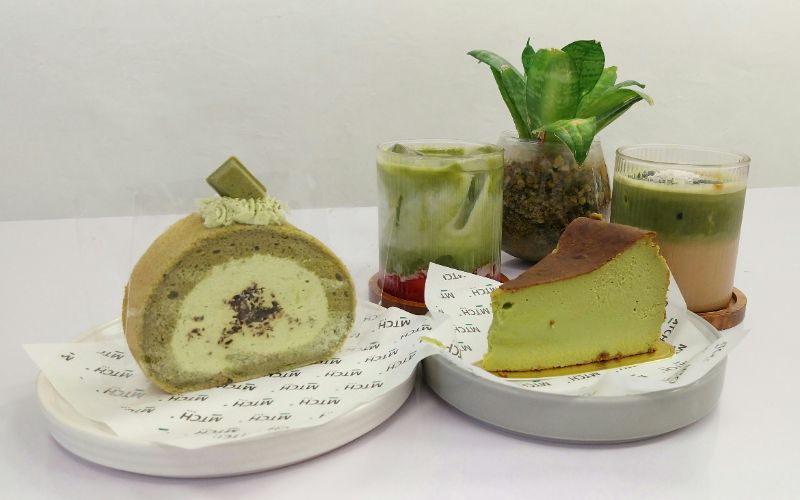
4. FAQs about Matcha Flavors
Flavor can shift noticeably depending on matcha quality, freshness, temperature, and preparation method.
If you are still wondering what does matcha taste like, these common questions explain why grassy, marine, bitter, or softer notes may appear from one cup to another.
Is matcha supposed to taste like grass?
Some grassy or vegetal flavor is normal because matcha is made from finely ground green tea leaves.
Good-quality matcha should also offer savory umami, mild bitterness, and subtle sweetness, so it should not taste flat or overwhelmingly grassy when prepared properly with suitable water temperature and ratios.
Why does matcha taste fishy sometimes?
Certain matcha can have seaweed-like or marine notes because of its naturally high umami content.
Some people interpret that savory character as slightly fishy, but an unpleasantly strong fish flavor may also come from poor storage, aging, excess heat during preparation, or lower-quality matcha powder.
How can I make matcha taste less bitter?
Use slightly cooler water, reduce the amount of matcha powder, and avoid over-whisking with excessively hot water.
Fresher, higher-quality matcha usually tastes smoother, while adding milk, honey, maple syrup, or a small amount of sugar can soften bitterness without completely hiding its natural flavor.
Does iced matcha taste different from hot matcha?
Yes, iced matcha often tastes lighter, fresher, and less bitter because cold temperatures soften the perception of astringency.
Hot matcha usually releases more aroma and emphasizes earthy, vegetal, and umami notes, while iced versions can feel cleaner and milder, especially when combined with milk.
5. Final Thoughts
Matcha can reveal a different side of its flavor depending on how you prepare and serve it. So, what does matcha taste like? It’s a mix of vegetal freshness, earthy depth, umami, mild bitterness, and subtle sweetness, with the balance shifting according to quality and freshness.
Visit TeaKoe for more practical tea guides, brewing tips, and inspiration to make your next cup even better.