

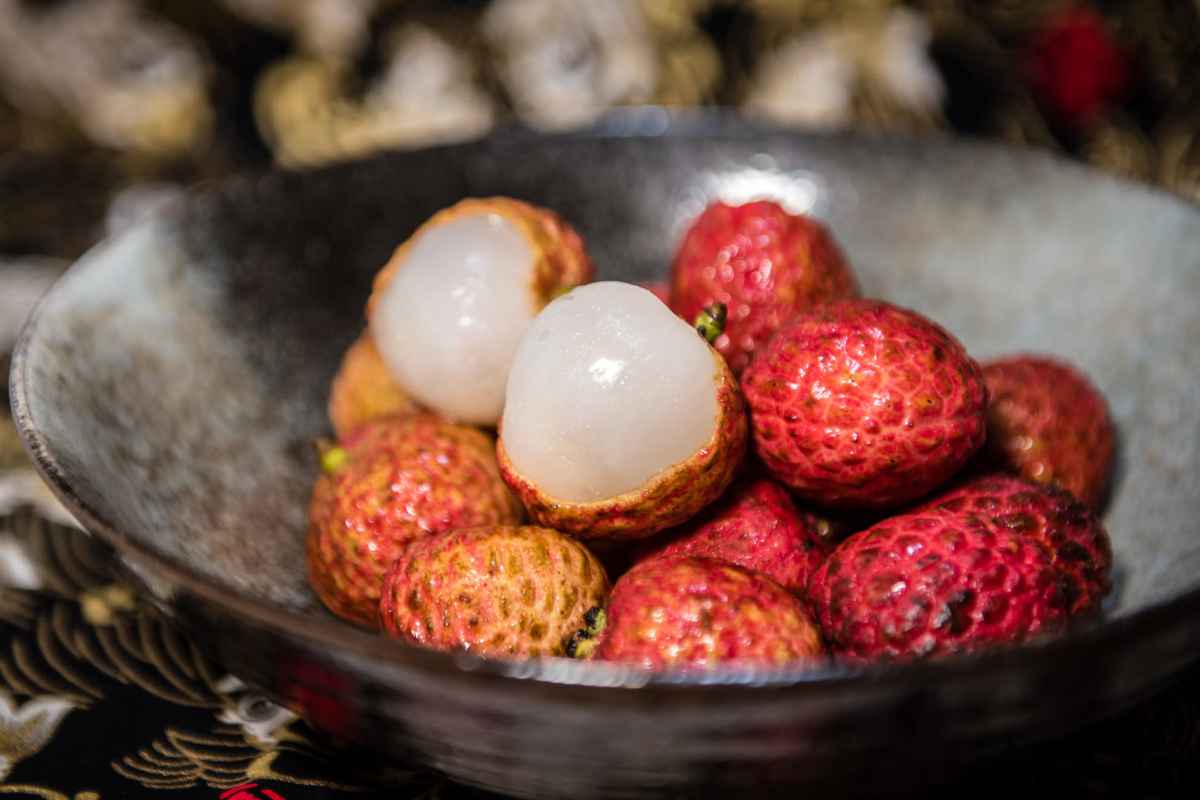

Beneath its rough, reddish shell, lychee hides a juicy, translucent flesh with a surprisingly delicate flavor. Its natural sweetness, refreshing texture, and subtle floral notes make it a favorite in tropical desserts and beverages.
So, what does lychee taste like, and how can you find the ripest fruit? Explore TeaKoe’s guide below to discover its distinctive flavor profile and helpful tips for choosing delicious lychees.
1. What Does Lychee Taste Like?
Lychee has a naturally sweet, refreshing flavor with delicate floral notes and a subtle hint of tartness. Its taste is often compared to a combination of strawberries, ripe pears, and watermelon, complemented by a distinctive rosewater-like aroma.
The flesh is soft, juicy, and slightly firm, offering a satisfying bite similar to a peeled grape. Ripe lychees deliver a balanced sweetness and fragrant finish, making them especially enjoyable fresh or in refreshing drinks.
2. What Does Lychee Taste Similar To?
Lychee has a distinctive flavor that blends familiar fruity sweetness with a delicate floral fragrance. If you’re curious what does lychee taste like, comparing it with these five fruits and flavors can help you imagine its unique taste.
Pear – For Its Delicate Sweetness
Ripe lychee shares the gentle, mellow sweetness of a juicy pear, particularly varieties with soft, fragrant flesh. Both fruits offer a refreshing taste without overwhelming acidity.
However, lychee has a more pronounced floral character and a slightly brighter finish, making its sweetness feel more aromatic than that of an ordinary pear.
Strawberry – For Its Fruity Sweetness
Strawberries and lychees share a pleasant fruity sweetness, although their flavor profiles differ. While strawberries often have noticeable tartness, ripe lychees taste smoother and less acidic.
The resemblance is most apparent in their fresh, candy-like sweetness, which makes both fruits appealing additions to desserts, smoothies, and refreshing summer drinks.
Grape – For Its Juicy, Refreshing Quality
Lychee’s translucent flesh and juicy texture closely resemble those of a peeled grape. Both fruits release a burst of sweet juice when bitten, creating a refreshing eating experience.
Rosewater – For Its Distinctive Floral Aroma
One of lychee’s most recognizable characteristics is its delicate rose-like fragrance. This floral quality resembles rosewater, adding an elegant aromatic layer to the fruit’s natural sweetness.
Unlike concentrated rosewater, however, fresh lychee has a lighter, more balanced floral taste that complements its juicy, refreshing flesh.
Rambutan – For Its Closely Related Tropical Flavor
Rambutan is one of lychee’s closest flavor comparisons because both belong to the soapberry family. Their translucent flesh offers a similar combination of sweetness and mild acidity.
>>> Read More: What Does Butterfly Pea Tea Taste Like? Flavor and Color
3. How to Pick Lychee That Actually Tastes Good?
The difference between an average lychee and a delicious one often comes down to freshness, ripeness, and proper handling. These simple checks can help you select fruit with the best sweetness, texture, and aroma.
Step 1. Look for Bright, Even Skin Color
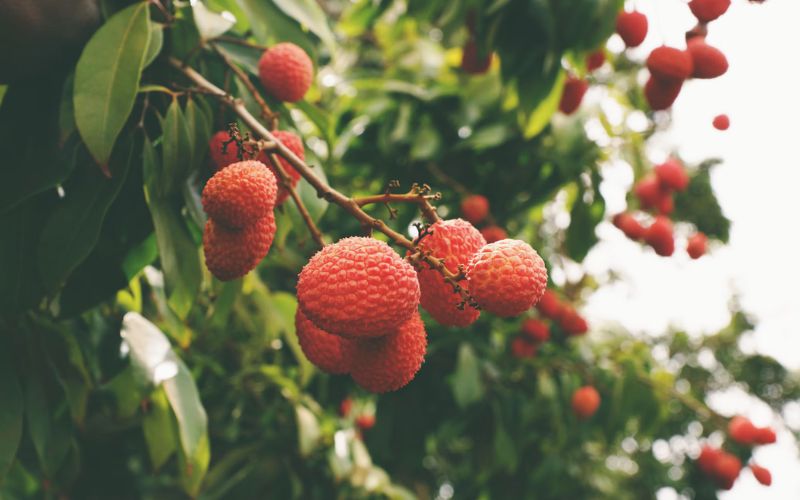
Fresh, ripe lychees typically have pinkish-red to reddish skin, although some varieties naturally retain yellow or green patches. Avoid fruits with extensive dark brown discoloration, mold, or damaged shells.
Color alone doesn’t guarantee sweetness, but healthy-looking skin is a useful starting point when selecting fresh lychees.
Step 2. Check the Skin for Firmness
Gently press the lychee’s shell to assess its condition. Fresh fruit should feel firm with a slight give, rather than excessively hard or mushy.
Avoid lychees with cracked, leaking, or unusually soft areas, as these may indicate damage, deterioration, or poor storage conditions that affect their eating quality.
Step 3. Choose Fruits That Feel Heavy for Their Size
Pick up a few lychees of similar size and compare their weight. Those that feel relatively heavy often contain more juice, which contributes to their refreshing texture.
Lightweight fruits may have lost moisture during storage, leaving the flesh less succulent and potentially reducing the overall eating experience.
Step 4. Smell for a Fresh, Subtle Fragrance
Fresh lychees may have a light, pleasant fruity aroma, although their thick shells can make the fragrance difficult to detect. Avoid fruits with sour, fermented, or unpleasant odors, which can indicate spoilage.
Remember that a strong fragrance isn’t necessary for good flavor, especially when the fruit remains unpeeled.
Step 5. Buy Fresh and Store Properly
Choose lychees from sellers who keep their produce fresh and properly stored. Since lychees don’t become significantly sweeter after harvesting, selecting good-quality fruit matters more than waiting for it to ripen at home.
Refrigerate fresh lychees promptly and enjoy them within several days for the best texture and flavor.
4. How to Eat Lychee for the Best Flavor Experience?
Fresh lychee is delicious on its own, but a few simple preparation techniques can make its natural sweetness and floral aroma even more enjoyable.
If you’ve ever wondered what does lychee taste like at its best, follow these steps to appreciate its refreshing qualities.
Step 1. Rinse the Lychees Before Peeling
Wash fresh lychees thoroughly under cool running water to remove surface dirt and potential contaminants. Gently rub the textured shells with your fingers, then drain them before peeling.
Although the skin isn’t eaten, rinsing helps prevent unwanted residue from transferring to the edible flesh during preparation.
Step 2. Peel Away the Rough Outer Shell
Use your fingernail to gently break the thin, textured shell near the stem. Carefully peel it away to reveal the glossy, translucent flesh underneath.
Ripe lychees generally peel easily, although the shell’s thickness varies by variety. Do not squeeze them too firmly, as this can crush the delicate fruit and release its juice.
Step 3. Remove the Seed Before Eating
Each lychee contains a smooth, hard seed surrounded by edible flesh. Carefully separate the flesh from the seed using your fingers or a small knife.
Never bite directly into the seed or attempt to eat it. Removing it beforehand makes the fruit easier and safer to enjoy.
Step 4. Enjoy Fresh or Lightly Chilled
Fresh lychee tastes especially refreshing when served slightly chilled, as the cool temperature complements its juicy texture and natural sweetness.
Refrigerate the fruit briefly before serving. Eating lychee fresh also allows its delicate floral aroma to remain noticeable.
Step 5. Pair Lychee With Complementary Flavors
Lychee pairs beautifully with citrus fruits, mint, coconut, and lightly brewed teas. Add peeled lychees to fruit salads, blend them into smoothies, or use them in refreshing iced beverages.
Choose ingredients that complement rather than overpower their delicate floral sweetness, allowing the fruit’s distinctive tropical character to remain the highlight.
5. FAQs about Lychee Taste
Lychee’s sweetness, floral aroma, and refreshing texture can vary depending on its ripeness, variety, and preparation. If you’re curious about what does lychee taste like, these frequently asked questions explain the factors that shape its flavor and how it compares to other tropical fruits.
Is lychee sweeter than rambutan?
Lychee often tastes sweeter and more fragrant than rambutan, thanks to its pronounced floral notes and juicy flesh. However, actual sweetness varies by variety and ripeness, and some rambutans can be just as sweet or even sweeter than lychees.
Does lychee taste sour?
Ripe lychee is predominantly sweet, with mild acidity that adds a refreshing balance to its flavor. Unripe or less sweet varieties may taste noticeably tart, while an unusually sour or fermented flavor can indicate spoilage.
What does canned lychee taste like?
Canned lychee generally tastes sweeter than fresh lychee because it’s often preserved in sugar syrup. Its flesh also tends to be softer, while the delicate floral aroma may be less pronounced due to processing and storage.
Why does my lychee taste bland?
Lychee may taste bland if it was harvested before reaching optimal maturity or belongs to a naturally less flavorful variety. Extended storage can also reduce its freshness, juiciness, and aromatic intensity, making the fruit less enjoyable.
>>> Read More: What Does Matcha Taste Like? From The First Sip to Finish
6. Final Thoughts
Few tropical fruits offer the same delicate combination of sweetness, floral fragrance, and refreshing juiciness as lychee. If you’ve ever wondered what does lychee taste like, its subtle notes of pear, grape, and rose make it a delightful fruit to enjoy on its own or in creative recipes.
From chilled desserts to fragrant iced teas, lychee adds a distinctive touch to every treat. Discover more refreshing drink ideas, tea pairings, and flavor inspiration in other articles from TeaKoe.