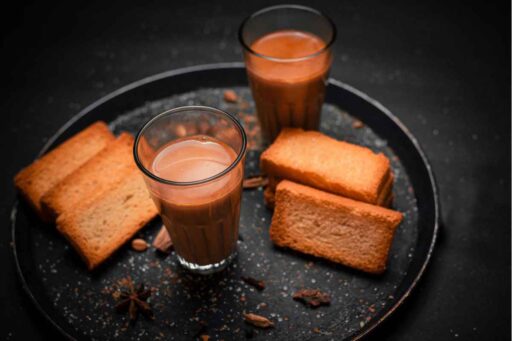
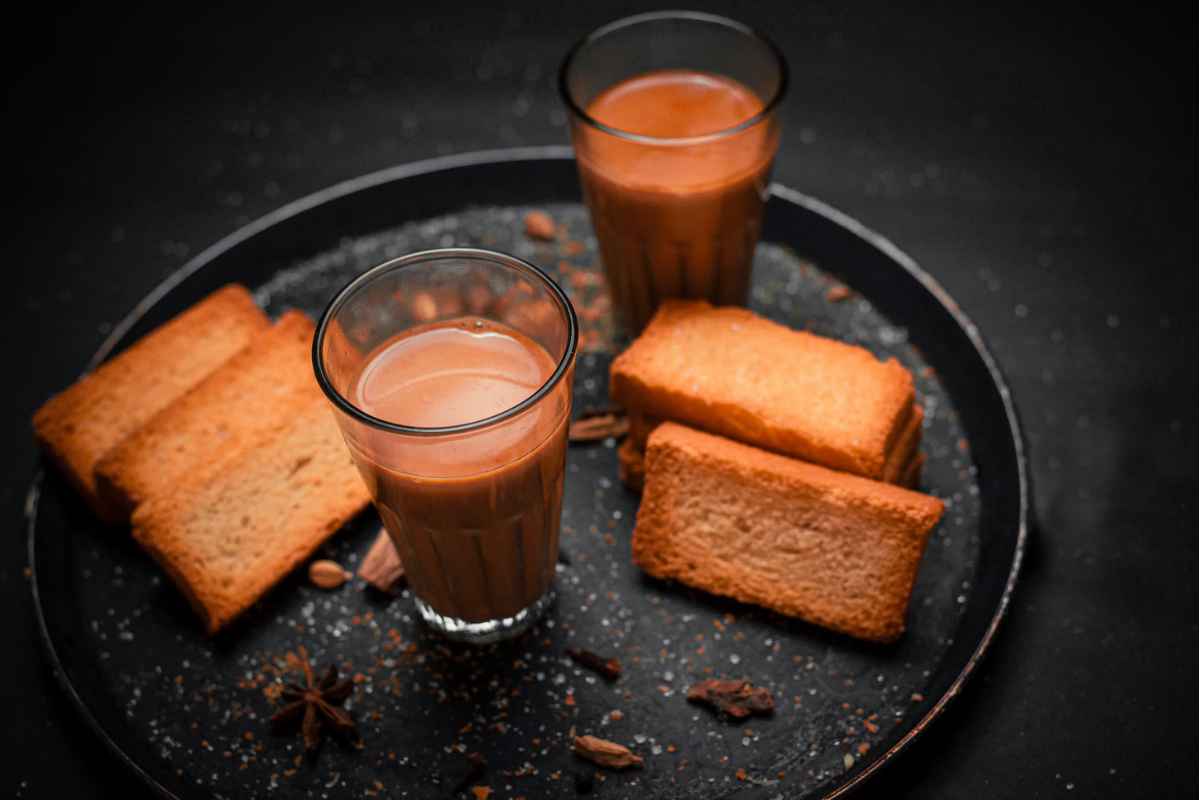

One sip of chai reveals a fascinating contrast between bold black tea, silky milk, and fragrant spices that linger on the palate. Unlike ordinary milk tea, this beloved Indian beverage delivers layers of warmth, sweetness, and gentle spice in every cup.
So, what does chai taste like, and which ingredients shape its distinctive character? Explore TeaKoe’s guide below to uncover the flavors behind this comforting spiced tea.
1. What Does Chai Taste Like?
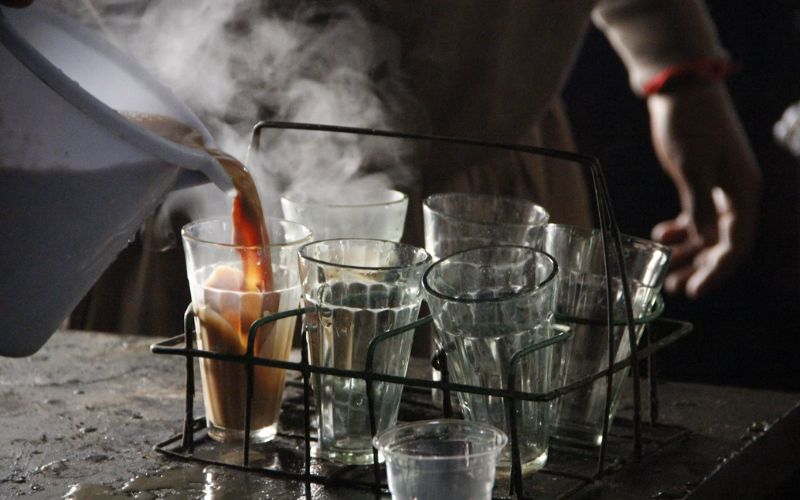
What does chai taste like? Masala chai has a bold, creamy, and warming flavor that combines strong black tea with milk, sweetener, and aromatic spices.
The tea provides a slightly bitter, earthy foundation, while milk softens its intensity and creates a smooth, velvety texture.
Ginger adds a lively kick, cardamom contributes fragrant sweetness, and cinnamon and cloves bring comforting warmth. Depending on the recipe, chai can taste mildly sweet and soothing or intensely spiced with a lingering, peppery finish.
2. What Does Chai Taste Similar To?
Chai shares familiar qualities with several popular beverages and desserts, although its combination of tea and spices gives it a distinctive personality.
If you’re wondering what does chai taste like, these comparisons highlight the flavors and textures you might recognize in your first cup.
| Food or Drink | Similarity to Chai | Key Difference |
|---|---|---|
| Spiced Milk Tea | Creamy, sweet, and tea-forward | Chai typically has a more complex spice blend |
| Gingerbread | Warm, sweet, and aromatic | Gingerbread has a baked, molasses-like richness |
| Pumpkin Spice Latte | Creamy with cinnamon and cloves | Chai uses black tea instead of espresso |
| Cinnamon Milk | Smooth, sweet, and gently spiced | Chai has stronger tea and spice notes |
| Cardamom Tea | Fragrant, floral, and warming | Chai combines several spices with milk |
Spiced Milk Tea
Chai closely resembles traditional milk tea because both combine brewed tea, milk, and sweetener. However, masala chai introduces a more aromatic dimension through spices like cardamom, ginger, cinnamon, and cloves.
Gingerbread
The warming spices in chai can remind you of freshly baked gingerbread, especially when ginger, cinnamon, and cloves are prominent. Both offer a comforting combination of sweetness and spice.
However, gingerbread has a deeper, caramelized flavor from molasses and baking, while chai delivers a lighter, more fragrant experience with a noticeable black tea base.
Pumpkin Spice Latte
Chai and pumpkin spice lattes share a cozy, spice-forward character, particularly through cinnamon, cloves, and ginger. Both can also have a creamy texture and gentle sweetness.
The main difference lies in their base ingredients: chai traditionally uses black tea, while a pumpkin spice latte contains espresso, giving it a stronger roasted coffee flavor.
Cinnamon Milk
Smooth milk infused with cinnamon creates a delicately sweet drink that shares chai’s warm, soothing character. For those curious about what does chai taste like, cinnamon milk offers a glimpse of its creamy texture and gentle spice.
Traditional chai, however, delivers a more complex flavor through robust black tea, aromatic cardamom, ginger, and cloves.
Cardamom Tea
Cardamom tea offers one of the closest aromatic comparisons to masala chai because cardamom is a key ingredient in many traditional recipes. Its slightly sweet, citrusy, and floral notes contribute significantly to chai’s recognizable fragrance.
However, masala chai typically features additional spices and milk, producing a fuller, creamier flavor with greater depth and warmth.
>>> Read More: Does Hibiscus Tea Make You Sleepy? 5 Facts For Bedtime
3. How to Make Chai Taste Better at Home?
The secret to a flavorful cup of chai lies in how you balance the tea, spices, milk, and brewing time. If you’re curious what does chai taste like when prepared properly, these simple techniques can help you achieve a richer, smoother, and more aromatic result.
Step 1. Choose Strong Black Tea
Start with a robust black tea, such as Assam, which provides the bold, malty foundation traditional masala chai needs. CTC tea granules also work particularly well because they release flavor quickly during boiling.
Step 2. Use Freshly Crushed Spices
Fresh spices make a noticeable difference in chai’s aroma and depth. Lightly crush cardamom pods, ginger, cloves, and cinnamon before brewing to release their fragrant oils.
Adjust the proportions to your preference, keeping stronger ingredients like cloves in moderation so they complement rather than overpower the tea.
Step 3. Simmer the Spices in Water First
Allow your spices to simmer gently in water before adding the tea leaves and milk. This gives ginger, cardamom, and other aromatics time to release their flavors into the liquid.
A few minutes of simmering can create a more fragrant base without requiring excessive amounts of spice.
Step 4. Add Milk for a Creamier Texture
Whole milk gives chai its familiar richness and smooth mouthfeel, balancing the strength of black tea and warming spices.
Add it after the tea and spices have begun infusing, then heat the mixture gently. Adjust the milk-to-water ratio depending on your preferred balance of creaminess and tea intensity.
Step 5. Control the Brewing Time
Brewing time influences chai’s strength, bitterness, and overall balance. Allow the tea to simmer long enough to develop a full-bodied flavor, but avoid prolonged boiling that can introduce excessive astringency.
Step 6. Sweeten and Strain Before Serving
Sugar or jaggery can soften chai’s natural bitterness and highlight the sweetness of its aromatic spices. Add a small amount first, then adjust according to your taste.
Strain the finished chai through a fine-mesh sieve to remove tea leaves and spices, leaving a smooth, fragrant drink.
>>> Read More: Does Thai Tea Have Caffeine? 2026 Health Effects Explained
4. FAQs about Chai Taste
Chai’s flavor can change considerably depending on its spice blend, sweetness, and preparation style. These common questions explain what to expect from different versions of this traditional spiced tea.
Is chai supposed to taste spicy?
Yes, traditional masala chai has a warming, spiced flavor from ingredients like ginger, cardamom, cinnamon, and cloves. However, it shouldn’t necessarily taste intensely hot, as the spices typically create aromatic warmth rather than the burning sensation associated with chili peppers.
Does chai taste like pumpkin spice?
Chai and pumpkin spice share similar warming notes because both commonly feature cinnamon, ginger, and cloves. Chai has a distinct black tea foundation and often includes cardamom, giving it a more complex, earthy, and aromatic flavor than a typical pumpkin spice blend.
Is chai naturally sweet?
Chai’s spices, particularly cinnamon and cardamom, can create an impression of sweetness, but traditional masala chai isn’t naturally sugary. Sweetness usually comes from added sugar, jaggery, honey, or sweetened milk, and the amount varies depending on personal preference and preparation style.
Does chai taste good without milk?
Yes, chai can taste delicious without milk, especially if you enjoy strong tea and pronounced spice flavors. Without dairy, the black tea’s natural astringency and the sharper notes of ginger, cardamom, and cloves become more noticeable, creating a lighter, more refreshing drink.
5. Final Thoughts
From the bold character of black tea to the fragrant warmth of cardamom, ginger, and cinnamon, chai offers far more than ordinary milk tea. Discovering what does chai taste like reveals how each ingredient contributes to its distinctive flavor.
Experiment with fresh spices, adjust the sweetness, and find the perfect balance for your palate. For more tea discoveries, brewing inspiration, and flavorful ideas, explore TeaKoe and bring something special to your next cup.