
Dragon fruit may grab attention with its bright skin and speckled flesh, but its appearance gives few clues about the flavor waiting inside. So, what does dragon fruit taste like, and do the white, red, and yellow varieties actually taste different from one another?
Ripeness, variety, and growing conditions can all shape the sweetness, texture, and subtle flavor notes you notice in each bite. Read on with TeaKoe to explore its flavor profile and discover simple ways to enjoy this tropical fruit.
1. What Does Dragon Fruit Taste Like?
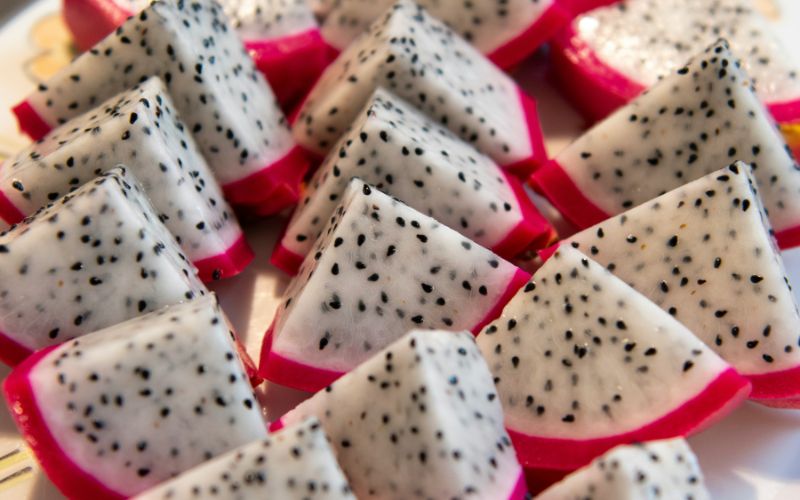
What does dragon fruit taste like? Dragon fruit has a mild, lightly sweet flavor that blends the crisp freshness of pear with the subtle tang of kiwi and the juiciness of watermelon.
Its taste is delicate rather than intensely tropical, while tiny edible seeds add a gentle crunch that makes each bite feel fresh and pleasantly textured.
2. How Does Dragon Fruit Taste Compared to Other Fruits?
Dragon fruit shares certain flavor and texture qualities with several familiar fruits, yet it remains softer and more subtle overall.
Comparing it with kiwi, pear, watermelon, melon, and strawberry makes its gentle sweetness and refreshing character much easier to picture.
| Fruit | Flavor Profile | Sweetness | Texture | Compared With Dragon Fruit |
|---|---|---|---|---|
| Kiwi | Sweet-tart, bright, slightly tropical | Moderate | Soft with crunchy seeds | Kiwi is tangier and more intense, while dragon fruit is milder |
| Pear | Mild, sweet, gently floral | Moderate | Juicy and slightly crisp | Pear is often sweeter and more aromatic, but both share a delicate flavor |
| Watermelon | Clean, juicy, lightly sweet | Mild to moderate | Very watery and crisp | Dragon fruit is less watery but has a similarly refreshing finish |
| Melon | Soft, sweet, lightly floral | Moderate | Juicy and tender | Melon is usually sweeter and more fragrant than dragon fruit |
| Strawberry | Sweet-tart, fruity, aromatic | Moderate to high | Soft and juicy | Strawberry has stronger acidity and aroma, while dragon fruit tastes softer and more neutral |
>>> Read More: What Does Taro Milk Tea Taste Like? Sweet, Creamy, and Earthy Explained
3. How to Pick a Sweet and Flavorful Dragon Fruit?
Flavor depends heavily on ripeness, variety, and overall freshness, so choosing the right fruit makes a noticeable difference.
If you are wondering what does dragon fruit taste like at its best, look for signs that indicate the flesh has developed enough sweetness without becoming overripe.
Check the Skin Color
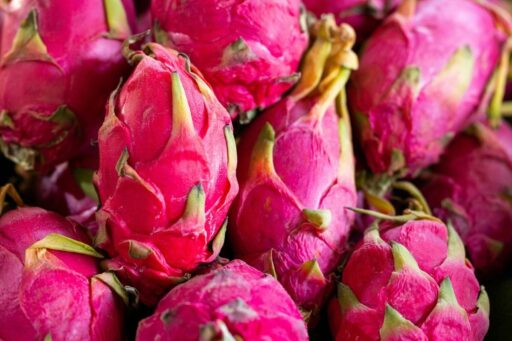
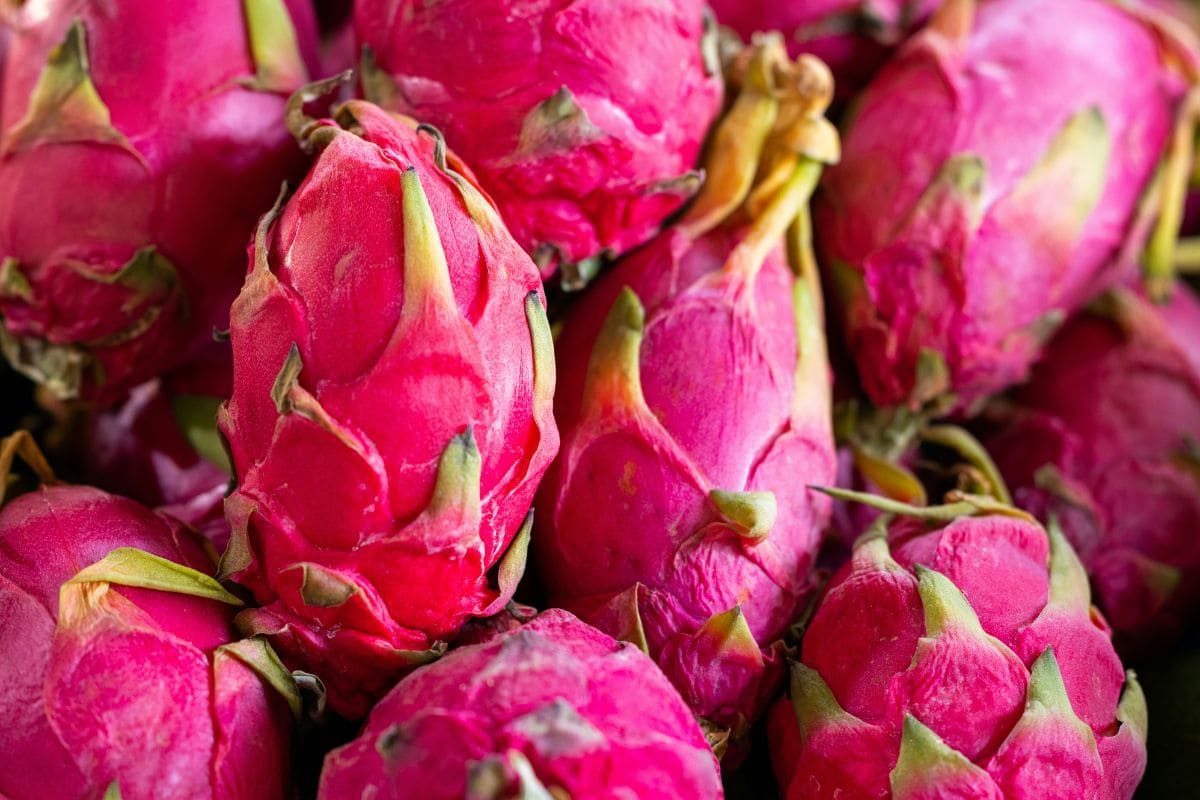
Choose dragon fruit with bright, evenly colored skin that matches its variety, whether pink, red, or yellow. Dull color or excessive green patches may indicate underripeness, while heavy browning or large blemishes can suggest the fruit has passed its prime.
Press It Gently
A ripe dragon fruit should yield slightly when pressed with your fingers, similar to a ripe kiwi or avocado. Rock-hard fruit usually needs more time, while an overly soft or mushy texture can signal that the flesh is beginning to deteriorate.
Inspect the Scales
Look closely at the leafy scales around the outside. Slight drying at the tips is normal, but scales that are heavily shriveled, brown, or brittle may point to an older fruit that has lost some freshness and moisture.
Avoid Major Bruises or Soft Spots
Small surface marks are not necessarily a problem, but deep bruises or very soft patches can affect both texture and flavor. Choose a fruit that feels firm overall with only a little give, especially if you plan to eat it the same day.
Consider the Variety
Yellow dragon fruit is often sweeter than many white-fleshed types, while red- or pink-fleshed varieties can also offer stronger sweetness and aroma. White-fleshed dragon fruit tends to have a milder, more delicate flavor, so variety can matter as much as ripeness.
4. What Is the Best Way to Eat Dragon Fruit?
Dragon fruit is easy to enjoy because its mild sweetness works in both simple snacks and more creative dishes.
When exploring what does dragon fruit taste like, trying it fresh first is especially useful because it lets you notice the fruit’s natural sweetness, juiciness, and delicate texture before adding other flavors.
Eat It Fresh With a Spoon
Slice the fruit lengthwise and scoop the flesh directly from the skin with a spoon. This is one of the simplest ways to enjoy dragon fruit and lets its refreshing flavor stand on its own without added sugar or stronger ingredients.
Cut It Into Cubes for Fruit Salad
Peel the fruit or scoop out the flesh, then cut it into bite-sized cubes. Its subtle sweetness pairs well with berries, pineapple, mango, kiwi, and melon, adding color, moisture, and a soft texture without overpowering stronger fruits.
Blend It Into Smoothies or Juice
Dragon fruit blends easily with pineapple, banana, berries, or other tropical fruit. Its mild flavor works especially well as a refreshing base, while the tiny black seeds add visual appeal without creating a rough texture in the finished drink.
Add It to Yogurt or Desserts
Spoon fresh cubes over yogurt, ice cream, or other chilled desserts for a light fruity contrast. Dragon fruit can also work in sorbets and fruit tarts, where its gentle sweetness pairs naturally with creamy or citrusy flavors.
Turn It Into Fresh Salsa
Dice dragon fruit with onion, cilantro, peppers, and lime juice for a bright sweet-savory salsa. Its soft sweetness balances sharper ingredients well and can create a refreshing topping for grilled fish, chicken, tacos, or other savory dishes.
Grill or Roast Thick Slices
Thicker slices can be grilled or roasted to create a warmer, lightly caramelized flavor. Heat softens the flesh further and brings out more sweetness, making cooked dragon fruit an interesting addition to both desserts and savory plates.
5. FAQs about What Dragon Fruit Tastes Like
Dragon fruit can vary from mildly sweet and refreshing to noticeably richer in flavor depending on the variety and ripeness.
Beyond simply answering what does dragon fruit taste like, these common questions explore what makes certain fruits sweeter, how to tell when one is ripe, and what its flavor, texture, and nutritional profile are like.
Is dragon fruit sweet or sour?
Dragon fruit is generally mildly sweet rather than strongly sour. Ripe fruit can have a gentle sweetness similar to pear, kiwi, or melon, while underripe fruit may taste more neutral and less flavorful.
Which color dragon fruit tastes the best?
Taste is subjective, but yellow dragon fruit is often considered especially sweet, while red- or pink-fleshed types can have a richer flavor than white-fleshed varieties. White dragon fruit is usually milder and more refreshing, making it suitable for people who prefer subtle sweetness.
How do you know when dragon fruit is ripe?
Ripe dragon fruit usually has bright, evenly colored skin and should give slightly when pressed gently. Fruit that is completely hard may still be underripe, while very soft flesh, heavy browning, or shriveled skin can indicate overripeness.
Is dragon fruit good for you?
Dragon fruit provides fiber, vitamin C, several B vitamins, minerals, and antioxidant compounds while naturally containing little fat. Its high water content can also contribute to hydration, making it a refreshing addition to a balanced diet.
6. Final Thoughts
Dragon fruit offers a light, refreshing flavor that can shift from delicately sweet to noticeably richer depending on the variety and ripeness. For anyone curious about what does dragon fruit taste like, comparing white, red, and yellow varieties is one of the best ways to experience those differences firsthand.
Enjoy the fruit on its own or add it to smoothies, fruit bowls, and other simple recipes. Head to TeaKoe for more flavor discoveries, food tips, and ideas for trying unfamiliar ingredients.