
Crispy golden skin, juicy dark meat, and a rich aroma make duck a standout on dinner tables worldwide. Unlike chicken, duck delivers a deeper, more savory flavor with subtle sweetness and a satisfying richness that surprises first-time eaters.
But what does duck taste like beyond its reputation for being fatty? Follow TeaKoe’s guide below to discover its flavor, texture, and what makes duck worth trying.
1. What Does Duck Taste Like?
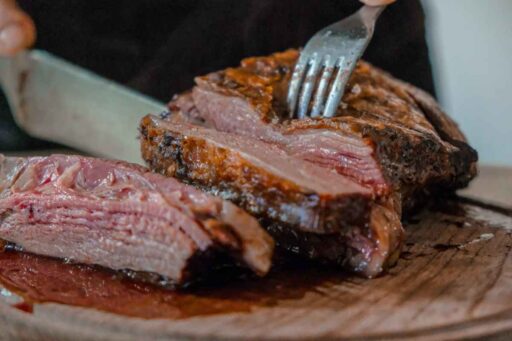
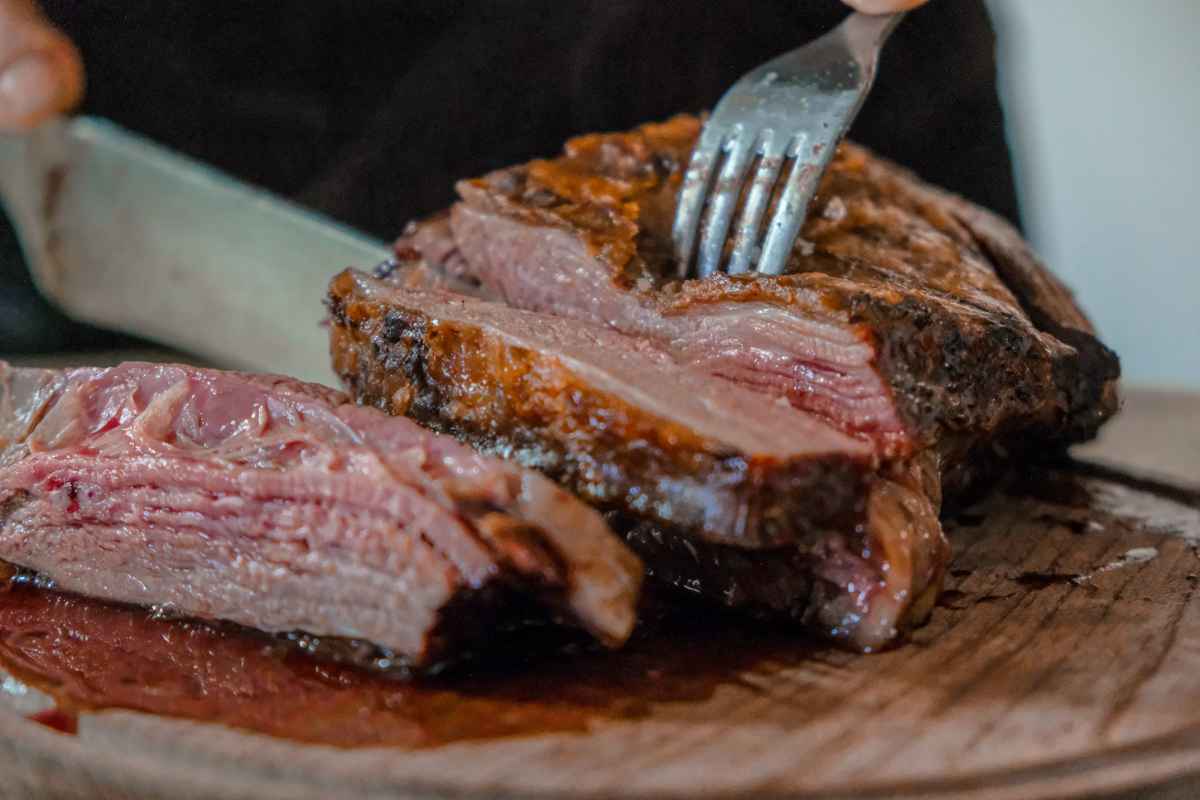
Duck has a rich, savory flavor with subtle sweetness and a slightly gamey character that sets it apart from chicken. Its dark meat offers a deeper, more robust taste, often compared to the richness of red meat.
Duck’s higher fat content contributes to its juicy texture and distinctive flavor, especially when roasted with crispy skin. Farm-raised duck typically tastes milder, while wild duck can have a stronger, earthier flavor influenced by its natural diet.
2. What Does Duck Taste Like Compared to Other Meats?
Duck stands apart from other meats thanks to its rich, savory flavor, naturally dark flesh, and distinctive fat content. Comparing its taste and texture with familiar proteins can help you understand what makes duck unique before trying it.
| Meat | Flavor Profile | Texture | Key Difference From Duck |
|---|---|---|---|
| Duck | Rich, savory, slightly sweet, mildly gamey | Juicy, tender, and firm | Deep flavor with a distinctive richness from its fat |
| Chicken | Mild, delicate, slightly savory | Tender, soft, and leaner | Lighter flavor with less richness |
| Turkey | Mild, savory, slightly earthy | Firm, relatively lean | Less fatty and generally less intense |
| Beef | Bold, meaty, deeply savory | Firm, juicy, varies by cut | Stronger red-meat character without duck’s distinctive flavor |
| Pork | Mildly sweet, savory, and rich | Tender, juicy, varies by cut | Less gamey, with a different fat profile |
| Goose | Rich, fatty, savory, slightly gamey | Dense, tender, and juicy | Often richer and fattier than duck |
| Rabbit | Mild, slightly sweet, subtly earthy | Lean, fine-grained, and tender | Much lighter and less fatty |
>>> Read More: What Does Rabbit Taste Like? Honest Flavor Breakdown for Beginners
3. What Are the Nutritional Benefits of Duck Meat?
Duck offers more than a distinctive taste, providing essential nutrients that support several important functions in the body.
Beyond asking what does duck taste like, understanding its nutritional profile can help you decide how this flavorful meat fits into a balanced diet.
Provides High-Quality Protein
Duck meat is a source of complete protein, containing all nine essential amino acids needed for muscle maintenance, tissue repair, and normal body functions. Protein also contributes to feelings of fullness after meals, making duck a satisfying main course.
The exact protein content depends on the cut and preparation method, but skinless duck can be a nutritious option for those seeking variety in their protein sources.
Supports Energy Production With B Vitamins
Duck provides several B vitamins, including niacin (vitamin B3), vitamin B6, and vitamin B12. These nutrients help the body convert food into usable energy and support normal nervous system function.
Vitamin B12 also contributes to red blood cell formation, while niacin plays an important role in cellular metabolism. Including duck alongside vegetables and whole grains can help create a nutritionally balanced meal.
Supplies Iron for Healthy Blood Function
Duck contains iron, including heme iron, which the body generally absorbs more efficiently than non-heme iron from plant foods. Iron is essential for producing hemoglobin, the protein responsible for transporting oxygen through the bloodstream.
Adequate iron intake supports normal energy metabolism and helps prevent iron deficiency. Duck can contribute to daily iron needs when included as part of a varied diet.
Provides Zinc and Selenium
Duck meat supplies zinc and selenium, two essential minerals involved in immune function and cellular health.
Zinc supports wound healing, normal growth, and numerous enzyme reactions, while selenium contributes to thyroid hormone metabolism and antioxidant defense.
Although nutrient levels vary by cut and cooking method, duck can help diversify your intake of these important minerals alongside other nutrient-rich foods.
Contains Beneficial Unsaturated Fats
Duck fat contains both monounsaturated and polyunsaturated fatty acids, which can contribute to a balanced dietary fat intake. However, it also contains saturated fat, and the amount varies considerably depending on the cut and presence of skin.
Removing the skin reduces overall fat intake, while roasting on a rack allows some rendered fat to drain away.
>>> Read More: How to Reheat Ribs in the Oven Without Drying Them Out
4. How Does Duck Taste When Cooked in Different Ways?
Cooking techniques can transform a duck’s natural richness, bringing out everything from crispy, savory notes to tender, melt-in-your-mouth textures.
If you’re curious what does duck taste like across different preparations, these six popular cooking methods reveal how heat, seasoning, and fat influence its flavor.
Roast Duck
Roast duck delivers a rich, savory flavor with beautifully browned skin and tender, juicy meat. As the fat renders during roasting, the skin becomes crispy while the meat develops deeper, slightly caramelized notes.
Its natural sweetness pairs particularly well with citrus glazes, aromatic herbs, and fruity sauces.
Pan-Seared Duck Breast
Pan-seared duck breast offers a bold, meaty flavor with a crisp, golden exterior and tender, juicy center. Rendering the fat slowly creates a delicate crunch without overwhelming the meat’s natural richness.
Duck Confit
Duck confit features an exceptionally tender texture and concentrated savory flavor. Traditionally, duck legs are slowly cooked in fat at a low temperature, allowing the meat to become soft and succulent.
Smoked Duck
Smoked duck combines the meat’s natural richness with a distinctive smoky aroma and deep savory notes. Depending on the wood and smoking technique, its flavor can range from gently sweet to intensely smoky.
Braised Duck
Tender, juicy meat and a rich, savory sauce define the comforting appeal of braised duck. When considering what does duck taste like, this slow-cooked preparation highlights its earthy depth and natural richness, complemented by the aromatic flavors of herbs, wine, and spices.
Fried Duck
Fried duck offers a satisfying combination of crispy skin and juicy, flavorful meat. The frying process creates a golden crust with toasted, savory notes, while the duck’s natural fat contributes additional richness.

5. FAQs about Duck Taste
Duck’s flavor and texture can vary more than you might expect, especially between different breeds and farming conditions. These common questions explain what influences its taste and how to choose duck that suits your preferences.
Does wild duck taste different from farm-raised duck?
Yes, wild duck generally has a stronger, earthier, and more gamey flavor than farm-raised duck due to differences in diet and activity levels. Farm-raised duck typically offers a milder, richer taste with more fat, making it an approachable choice for first-time eaters.
Is duck meat tough or tender?
Duck meat can be tender and juicy when cooked properly, although its texture is naturally firmer than chicken. Duck breast benefits from careful cooking to prevent dryness, while tougher leg meat becomes exceptionally tender through slow braising or confit.
What is the mildest type of duck to eat?
Farm-raised Pekin duck is generally considered one of the mildest varieties, offering a delicate, slightly sweet flavor with minimal gaminess. Its tender meat and relatively high fat content make it especially suitable for beginners who prefer a less intense taste.
6. Final Thoughts
Duck brings a distinctive richness to the table, with succulent meat, flavorful fat, and a savory depth that sets it apart from other poultry. So, what does duck taste like across different recipes?
Roasting highlights its natural richness, pan-searing creates a satisfying contrast of textures, and slow cooking delivers exceptional tenderness. For more delicious food comparisons, ingredient insights, and culinary inspiration, discover other articles from TeaKoe.