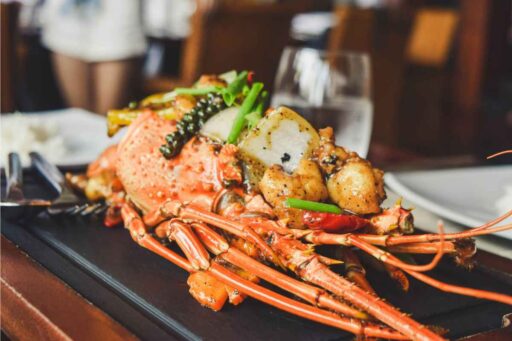
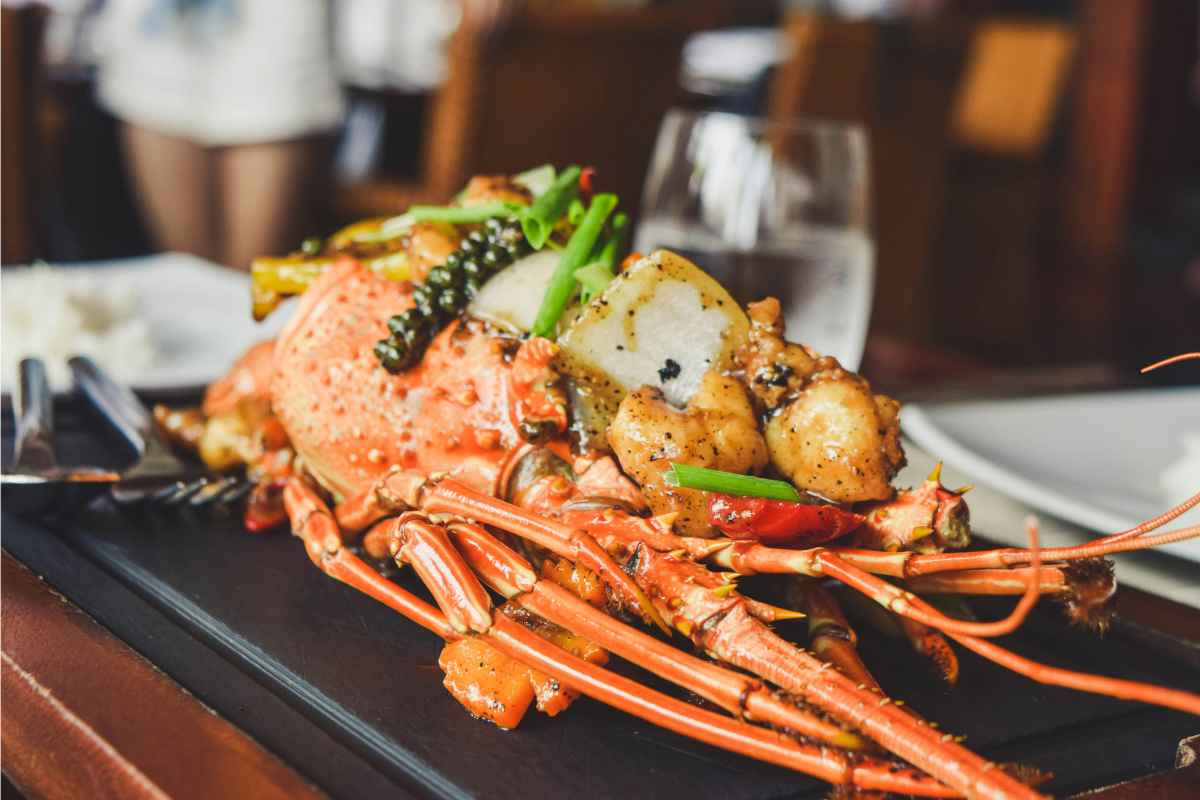

Lobster meat can lose its tenderness quickly when leftovers are exposed to too much heat or reheated for too long. Understanding how to reheat lobster helps preserve its delicate texture, natural sweetness, and moisture while preventing tough edges.
This guide explains why lobster turns rubbery, outlines careful reheating steps, compares methods for different preparations, and shares creative ways to reuse leftovers. Refer to TeaKoe’s article below for more practical kitchen guidance.
1. Why Does Leftover Lobster Get Rubbery?
Heating causes structural changes in lobster muscle proteins. Research on American lobster has shown that thermal processing produces protein denaturation and measurable changes in meat texture.
High temperatures and extended cooking times make this process happen faster, leaving the lobster firm, dry, and chewy. Gentle reheating and early temperature checks help reduce unnecessary moisture loss.
2. How to Reheat Lobster Step by Step?
Lobster requires controlled heat because the meat can move from warm and tender to overcooked within minutes. Covering the portion, adding a little moisture, and checking it frequently create a more forgiving reheating environment.
- Remove the lobster from the refrigerator: Take out only the amount you plan to serve.
- Choose whether to keep the shell: Leave tail or claw meat inside the shell when possible because the shell provides protection from direct heat.
- Preheat the oven gently: Set the oven to approximately 275°F to 300°F. Moderate heat warms the lobster gradually instead of tightening the proteins too quickly.
- Place the lobster in a suitable dish: Arrange tails, claws, or pieces in a shallow oven-safe dish.
- Add moisture: Spoon a small amount of melted butter, broth, or water around the lobster. Use enough to create light steam without soaking the meat.
- Cover the dish: Seal it loosely with foil or use a fitted lid. Trapped moisture protects the surface and reduces the risk of dry edges.
- Reheat slowly: Warm the lobster for several minutes, depending on its size and whether it remains in the shell.
- Turn or reposition when needed: Rotate larger pieces halfway through reheating so the thick and thin sections warm more evenly.
- Check frequently: Open the covering carefully and test the center. Remove the lobster as soon as it becomes hot throughout rather than waiting for the meat to become steaming or firm.
- Rest briefly: Let the lobster sit for one or two minutes before serving.
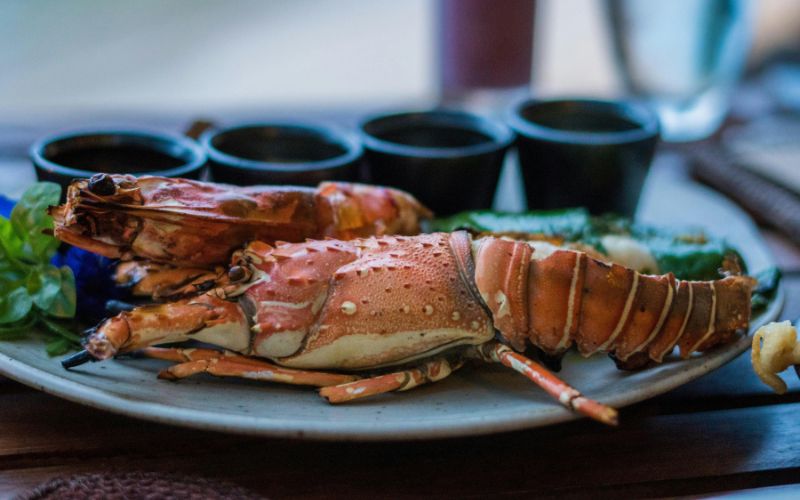
3. Reheating Strategy Based on Sauce and Preparation
Sauce, fat content, and preparation style can change how lobster responds to reheating. Choosing a method that matches the original dish helps preserve tenderness while preventing butter separation, scorched garlic, or broken cream sauces.
| Lobster Preparation | Recommended Method | Moisture or Covering | Main Risk | Best Tip |
|---|---|---|---|---|
| Plain lobster | Reheat gently in a covered oven-safe dish. | Add a small spoonful of water, broth, or butter. | Exposed meat may dry quickly. | Keep the shell on when possible and remove the lobster as soon as it becomes warm. |
| Buttered lobster | Use low oven heat or a covered skillet. | Add a little reserved butter if the surface appears dry. | Excessive heat can separate or brown the butter. | Keep the temperature low and spoon warm butter over the meat before serving. |
| Garlic butter lobster | Warm slowly in a covered skillet or baking dish. | Use the existing sauce and add a small amount of butter if necessary. | Garlic can burn and develop a bitter taste. | Avoid direct high heat and stir the sauce gently around the lobster. |
| Lobster in creamy sauces | Reheat over low heat in a saucepan or covered skillet. | Stir the sauce gently to maintain its consistency. | Cream may split or thicken too much. | Add a small splash of milk or cream if the sauce becomes overly dense. |
>>> Read More: How to Reheat Shrimp Without Overcooking It [2026 Guide]
4. Leftover Lobster Deserves More Than Another Dinner
Leftover lobster does not need to return to the plate in exactly the same form. Combining it with bread, pasta, rice, cheese, or broth can create a new dish while reducing the amount of direct reheating the meat receives.
Lobster rolls
Chop cold or gently warmed lobster into large pieces and combine it with a light dressing. Spoon the mixture into a toasted roll with herbs, celery, or lemon. Keeping the seasoning simple allows the lobster’s sweetness to remain the main flavor.
Lobster mac and cheese
Fold lobster pieces into prepared macaroni and cheese near the end of cooking. The warm sauce heats the meat gently without exposing it to prolonged direct heat. Add the lobster last and stir carefully to prevent the pieces from breaking apart.
Lobster pasta
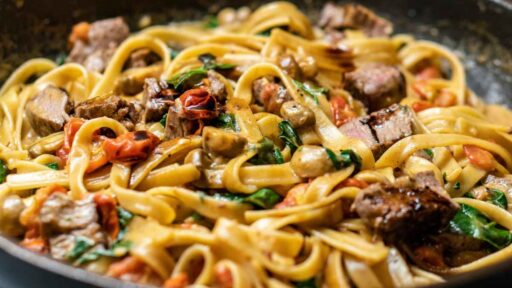
Toss lobster with warm pasta, garlic, herbs, butter, or a light cream sauce. Warm the meat briefly in the sauce just before serving so it remains tender rather than simmering for several minutes.
Lobster risotto
Stir chopped lobster into finished risotto after removing the pan from the strong heat. The residual warmth is often enough to heat small pieces gently. Finish with butter, herbs, or a little citrus to balance the rich texture.
Seafood chowder
Add lobster to a prepared seafood chowder during the final minutes of heating. Allowing it to simmer for too long can make the meat tough, so wait until the broth is already hot before folding in the pieces.
5. Still Have Questions about Reheating Lobster?
Shell placement, mixed portions, and serving butter can affect both convenience and texture. These answers address common concerns about warming lobster evenly while protecting its delicate structure.
Should lobster stay in the shell while reheating?
Keeping lobster in the shell can help protect the meat from direct heat and moisture loss. Remove it first only when the meat needs to be mixed into pasta, soup, risotto, or another prepared dish.
Can lobster tails and claws be reheated together?
Tails and claws can be reheated together, but their size and thickness may cause them to warm at different speeds. Check smaller claws first and remove any pieces that become hot before the larger tails are ready.
What’s the best butter to serve with reheated lobster?
Melted unsalted butter works well because it adds richness without overwhelming the lobster’s natural flavor. Garlic butter, herb butter, or lightly salted butter can also be used when they complement the original seasoning.
Can cooked lobster be reheated without becoming rubbery?
Yes, cooked lobster can remain tender when reheated slowly with added moisture and removed from the heat promptly. Low temperature, a covered dish, and frequent checks are more important than using one specific appliance.
6. Final Thoughts
Gentle heat, a small amount of moisture, and careful timing can keep leftover lobster tender instead of tough or rubbery. Knowing how to reheat lobster also means adjusting the method according to the shell, sauce, and final dish
Butter, broth, and protective covering can reduce moisture loss while preserving the meat’s natural sweetness. Creative options such as rolls, pasta, risotto, and chowder make leftovers easier to enjoy. TeaKoe offers more practical guidance for reheating delicate foods successfully.