
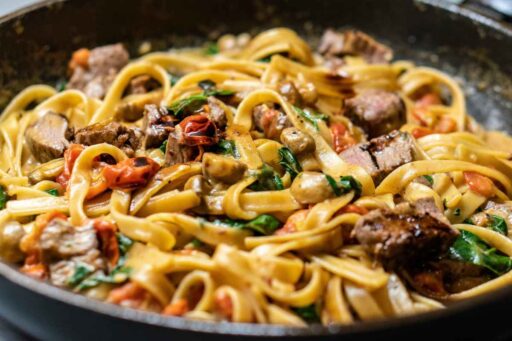
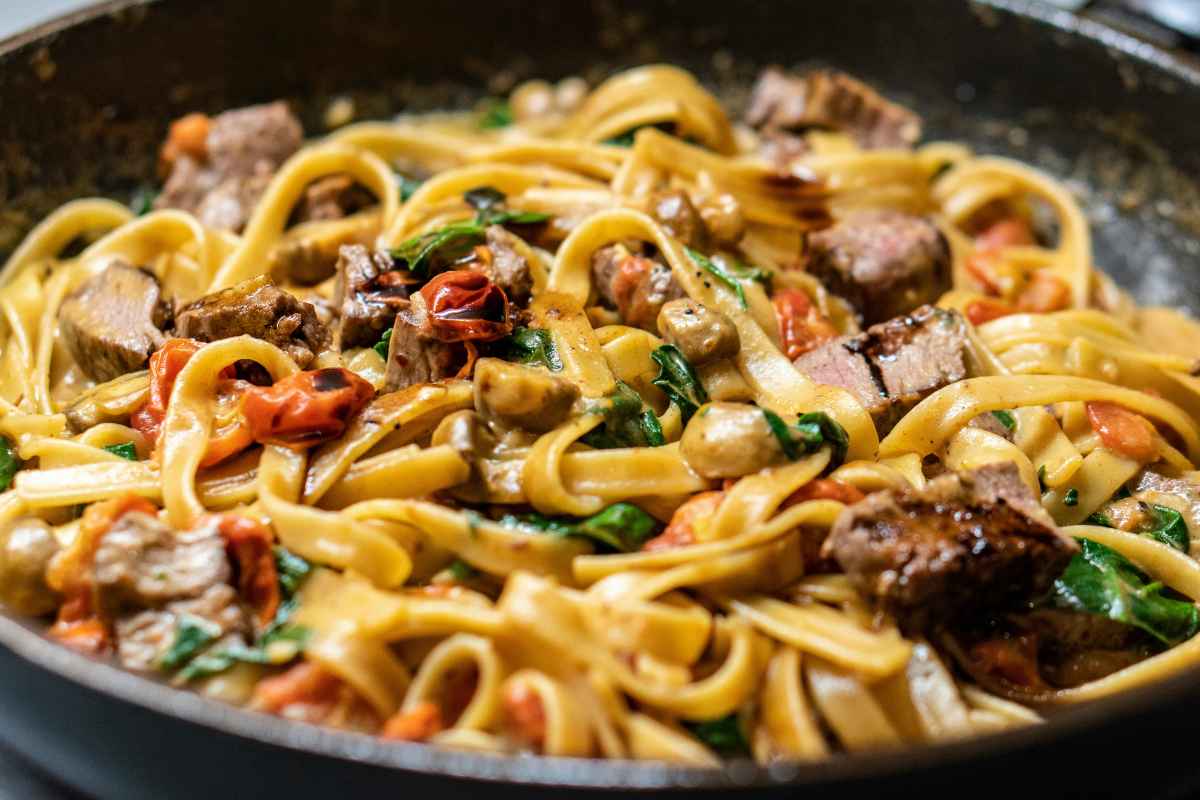

Leftover Alfredo pasta can quickly become oily, clumpy, or dry when the sauce is exposed to excessive heat. Knowing how to reheat alfredo pasta helps preserve the creamy consistency while warming the noodles evenly and preventing the cheese from separating.
This guide explains why Alfredo sauce breaks, outlines a gentle reheating process, and shares practical tips for restoring its original richness.
1. Why does Alfredo Sauce Separate after Reheating?
Alfredo sauce separates because high heat disrupts the delicate emulsion created by butter, cream, and Parmesan cheese. The fat pulls away from the liquid, leaving greasy patches and small cheese clumps around the pasta.
2. How to Reheat Alfredo Pasta Step by Step
Gentle stovetop heat gives you greater control over the sauce than faster methods. Small additions of milk or cream, combined with steady stirring, help the pasta regain a smooth consistency without becoming watery.
- Remove the pasta from the refrigerator: Take out only the portion you plan to serve. Reheating a smaller amount makes it easier to control the temperature and prevent repeated warming of the entire batch.
- Choose a suitable pan: Use a nonstick skillet or saucepan with enough space to spread the pasta evenly. Crowding the noodles can create cold spots and make stirring more difficult.
- Add a little moisture: Pour one or two tablespoons of milk, cream, or reserved pasta water into the pan. Start with a small quantity because too much liquid can thin the sauce excessively.
- Set the burner to low heat: Avoid medium-high or high temperatures, which can cause the butter and cheese to separate. Slow warming gives the sauce time to soften and blend again.
- Add the Alfredo pasta: Place the noodles in the pan and spread them into an even layer. Break apart large refrigerated clumps carefully without tearing the pasta.
- Cover the pan briefly: Use a fitted lid for one or two minutes to trap gentle steam. This helps soften the noodles and loosen the thickened sauce before stirring.
- Stir slowly and frequently: Use tongs, a wooden spoon, or a silicone spatula to turn the pasta gently. Frequent movement distributes heat while helping the added liquid blend into the sauce.
- Add more liquid when necessary: When the sauce still appears thick or dry, add another teaspoon of milk or cream. Wait until it is fully incorporated before deciding whether more is needed.
- Check the center of the pasta: Taste or inspect a thicker section to ensure the noodles are heated evenly. Continue warming in short intervals rather than increasing the burner temperature.
- Remove the pan promptly: Take the pasta off the heat as soon as it becomes hot and creamy. Continued cooking can tighten the cheese, dry the noodles, and cause the sauce to separate.
- Finish before serving: Stir in a small amount of butter or freshly grated Parmesan when the sauce needs extra richness. Add cheese gradually so it melts smoothly rather than forming clumps.
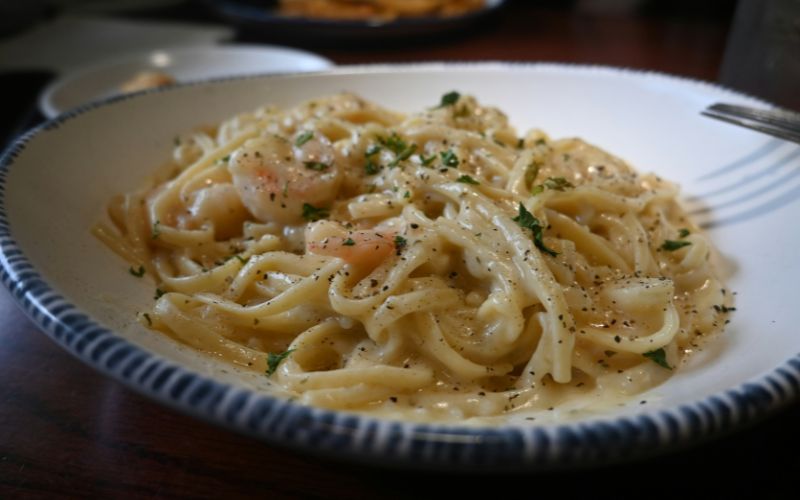
3. Pro Tips to Keep Leftover Alfredo as Creamy as a Restaurant
Restoring Alfredo pasta requires more than simply making it hot. Careful temperature control, suitable added liquid, and proper stirring can bring back a silky sauce without overpowering the dish’s original flavor.
- Use low heat throughout: Strong heat is the main reason Alfredo sauce turns greasy or grainy.
- Add liquid gradually: Milk, cream, or pasta water can loosen refrigerated sauce, but excessive moisture may dilute its flavor.
- Avoid reheating a large batch: Separate the amount you intend to eat and leave the rest refrigerated.
- Stir gently rather than aggressively: Vigorous stirring can break delicate pasta and make the sauce appear uneven.
- Keep the pan covered briefly: Trapped steam softens cold pasta and loosens thick sauce.
- Finish with butter or Parmesan: A small amount of butter can restore gloss, while finely grated Parmesan can strengthen flavor.
- Serve immediately: Alfredo sauce thickens as it cools, so transfer the pasta to warm plates once reheated.
>>> Read More: How to Reheat Pasta to Keep It Moist and Preserve Original Flavor
4. FAQs About Reheating Alfredo Pasta
Storage, added dairy, and repeated reheating can affect both the texture and quality of Alfredo pasta. These answers address common concerns about keeping the sauce creamy while handling leftovers carefully.
Can Alfredo pasta be frozen?
Alfredo pasta can be frozen, although cream-based sauces may separate or become grainy after thawing. Store it in an airtight container and reheat it slowly with a small amount of milk or cream to improve the consistency.
How do you know when Alfredo pasta is fully reheated?
Alfredo pasta is fully reheated when it reaches 165°F (73.9°C) throughout. USDA recommends checking reheated leftovers with a food thermometer to confirm that they have reached this temperature.
Should extra milk or cream be added before reheating?
Yes, a small amount of milk or cream can loosen the sauce and replace the moisture lost during refrigeration. Add only one or two tablespoons initially, then increase gradually if the Alfredo still appears too thick.
Can Alfredo pasta be reheated more than once?
Repeated reheating can make the noodles softer and cause the sauce to separate more easily. Warm only the portion you plan to eat and keep the remaining pasta refrigerated until needed.
5. Final Thoughts
Low heat, gradual moisture, and gentle stirring can restore Alfredo pasta without leaving the sauce oily or clumpy. Mastering how to reheat alfredo pasta also means warming only the required portion and removing it from the pan as soon as the sauce becomes smooth.
Milk, cream, butter, or Parmesan can help revive its richness when used carefully. TeaKoe offers practical kitchen guidance for making creamy leftovers enjoyable again.