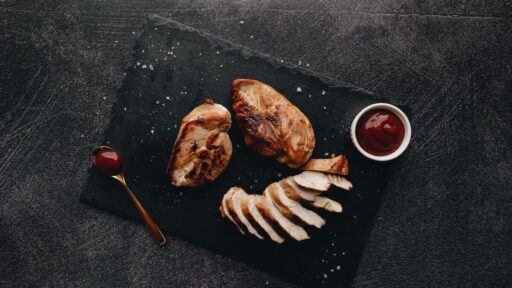

Grilled chicken often loses moisture and some of its smoky character when reheated incorrectly. Fortunately, learning how to reheat grilled chicken with controlled heat can bring back its tender texture without softening the flavorful charred surface.
Whether you are warming chicken breasts, thighs, wings, or bone-in pieces, the right method depends on the cut and the equipment available. The following techniques make leftover grilled chicken more enjoyable while helping it heat safely and evenly.
1. How to Reheat Grilled Chicken?
There is no single reheating method that works perfectly for every portion. An oven is useful for larger servings, while an air fryer restores a firmer exterior. A skillet offers more control, and a microwave is suitable when speed matters most.
Oven
The oven is one of the most dependable options for reheating several pieces without drying them out.
Preheat the oven to 350°F. Place the chicken in a baking dish and add one or two tablespoons of chicken broth or water around it. Cover the dish loosely with foil and heat boneless pieces for approximately 10–15 minutes. Bone-in portions may require 15–20 minutes.
Remove the foil during the final two or three minutes when you want to refresh the grilled exterior. According to the USDA’s leftover food safety guidance, reheated leftovers should reach 165°F when checked with a food thermometer.
Air Fryer
An air fryer is a good choice when preserving the charred edges is more important than reheating a large batch.
Preheat the appliance to 350°F. Lightly brush the chicken with broth, melted butter, or cooking oil before arranging it in a single layer. Heat chicken breasts or thighs for four to six minutes, turning them halfway through. Smaller wings may need only three to five minutes.
Check the chicken early because circulating hot air can remove moisture quickly, particularly from thin breast slices.
Stovetop
The stovetop provides direct control over both heat and moisture, making it especially suitable for sliced or boneless chicken.
Place a skillet over medium-low heat and add a small amount of broth or water. Arrange the chicken in the pan, cover it with a lid, and warm it for three to five minutes. Turn the pieces and continue heating until the center is hot.
Remove the lid for the final minute to allow excess steam to escape. This prevents the grilled surface from becoming overly soft.
Microwave
The microwave is the quickest option, although it requires extra care to avoid rubbery edges.
Place the chicken on a microwave-safe plate and add a teaspoon of water or broth. Cover it with a microwave-safe lid or a damp paper towel. Heat at 50–70% power in 30-second intervals, turning the chicken between intervals.
The USDA also recommends covering and rotating food during microwave reheating to encourage more even heating.
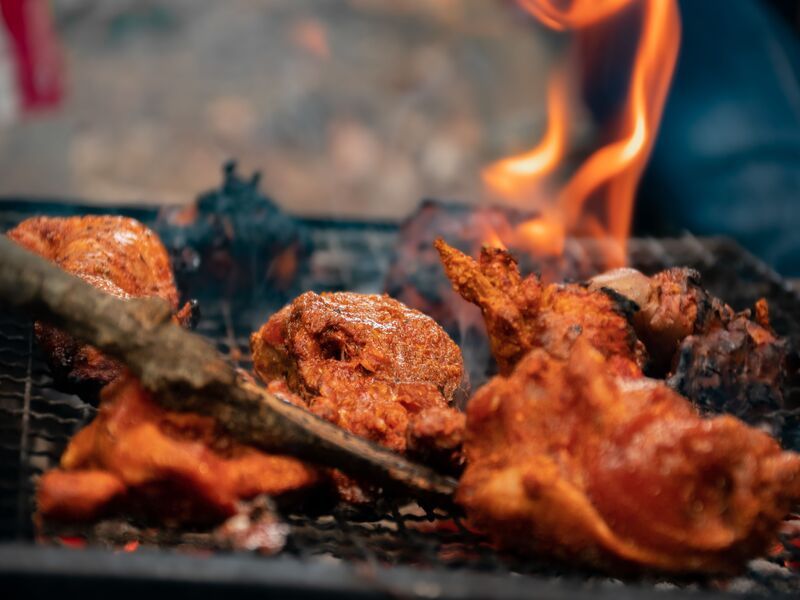
2. How Do You Keep Grilled Chicken Moist Without Losing Its Smoky Flavor?
A few small adjustments can help balance moisture and texture while preserving the flavor developed during grilling.
Add Moisture Without Soaking the Chicken
A tablespoon of broth, water, or diluted barbecue sauce can create enough steam to protect the meat. Place the liquid around the chicken rather than pouring it directly over the charred surface.
For lean chicken breast, lightly brushing the cut side with oil or melted butter can also reduce moisture loss.
Avoid High Reheating Temperatures
High heat may warm the outside quickly, but it can leave the center cold and make the edges tough. Moderate temperatures between 325°F and 350°F allow heat to move through the meat more gradually.
This is particularly important for thick breasts and bone-in portions, which take longer to warm internally.
Keep the Charred Exterior Intact
Avoid submerging grilled chicken in sauce or broth. When using an oven or skillet, keep most added liquid beneath or beside the meat.
You can also uncover the chicken briefly near the end of reheating. This releases trapped steam and helps restore some of the surface texture without cooking the meat for too long.
Let the Chicken Rest After Heating
Allow the reheated chicken to rest for two or three minutes before cutting it. This short pause helps the heat spread more evenly and allows the juices to settle inside the meat.
Cutting immediately may release moisture onto the plate, making the chicken seem drier than it actually is.
>>> Read More: How to Reheat Rotisserie Chicken in Oven in A Few Minutes?
3. Does Every Cut of Grilled Chicken Reheat the Same Way?
Different cuts contain different amounts of fat and vary considerably in thickness.
Chicken Breast
Chicken breast dries out faster because it contains less fat. Reheat it covered in the oven or in a skillet with a small amount of broth. If possible, leave the breast whole until reheating is complete, as thin slices lose moisture more quickly.
Chicken Thighs
Chicken thighs are more forgiving because their higher fat content helps them remain juicy. An oven or air fryer works particularly well, usually requiring five to seven minutes in an air fryer or 12–15 minutes in an oven.
Chicken Wings
Wings benefit from dry circulating heat. Reheat them in an air fryer at 350°F for three to five minutes, turning halfway through. Avoid adding too much liquid because it can soften the skin and reduce the grilled texture.
Bone-In Grilled Chicken
Bone-in pieces take longer because heat must travel through thicker meat surrounding the bone. An oven is generally the most reliable method. Cover the chicken during most of the heating period, then uncover it briefly before serving.
4. Common Mistakes That Ruin Reheated Grilled Chicken
Even when the correct appliance is used, a few common habits can turn tender leftovers into dry, unevenly heated meat.
Reheating Over High Heat
Using intense heat does not necessarily save time. It often burns the seasoning or dries the exterior before the center becomes warm. Begin with moderate heat and increase it only briefly when the surface needs additional browning.
Skipping Added Moisture
Chicken stored in the refrigerator gradually loses moisture. Reheating it without broth, water, oil, or another protective element can make it noticeably tougher, especially when dealing with lean breast meat.
Heating Too Long
More time does not always produce better results. Check smaller or thinner pieces early and remove them as soon as they are fully heated. A food thermometer is more reliable than repeatedly cutting into the chicken to inspect the center.
Reheating Straight from the Refrigerator
Allowing the chicken to sit at room temperature for approximately 10–15 minutes can encourage more even reheating. However, do not leave cooked poultry unrefrigerated for extended periods. The USDA recommends refrigerating leftovers within two hours.
5. Conclusion
Understanding how to reheat grilled chicken comes down to using moderate heat, adding a controlled amount of moisture, and choosing a method that suits the cut. The oven handles larger portions effectively, the air fryer revives charred edges, the stovetop offers precise control, and the microwave provides speed.