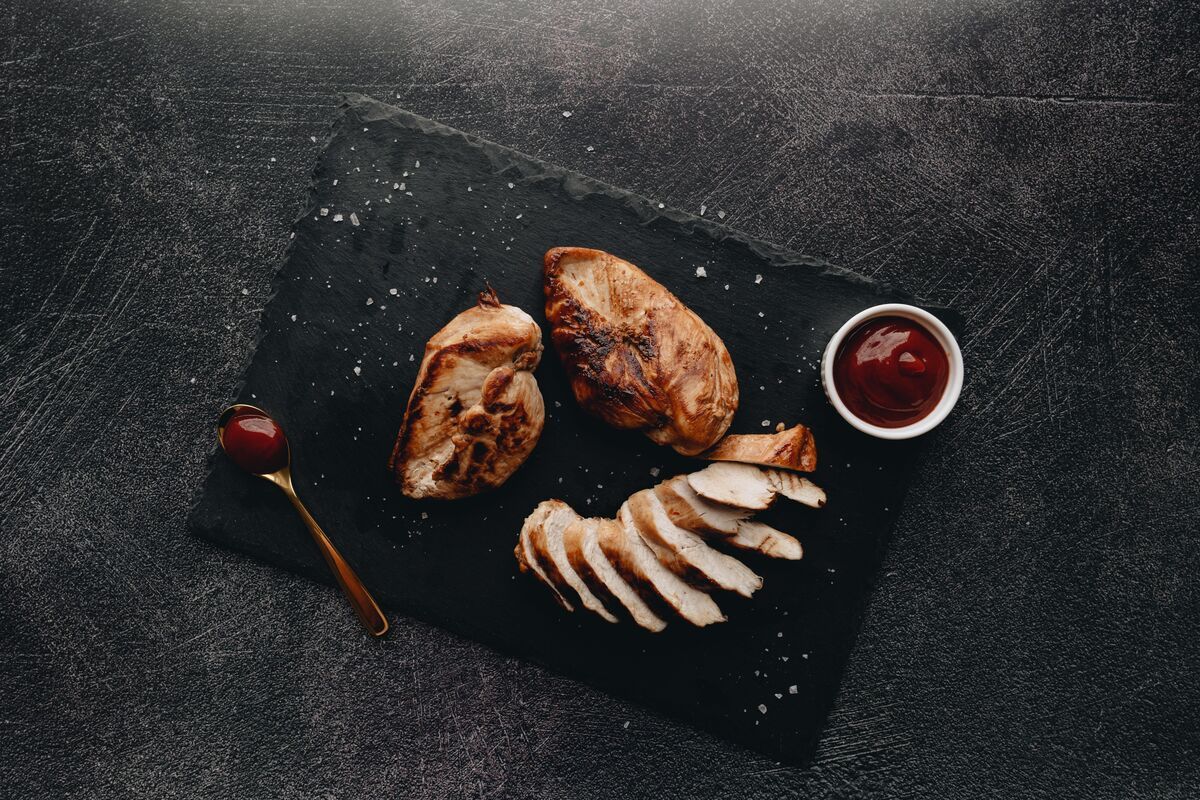

Leftover chicken breast is convenient, but warming it incorrectly can quickly turn a tender meal into dry, chewy meat. Knowing how to reheat chicken breast properly means using moderate heat, adding a small amount of moisture, and stopping as soon as the center becomes hot.
Whether you prefer an oven, air fryer, stovetop, or microwave, the right method can restore warmth without sacrificing texture. This guide explains four practical approaches and offers simple ways to improve chicken that has already become dry.
1. How to Reheat Chicken Breast?
The best method depends on how much chicken you have, how quickly you need it, and whether you prefer a soft or lightly crisp exterior. Regardless of the appliance, avoid using unnecessarily high heat. According to USDA guidance on leftovers, reheated food should reach an internal temperature of 165°F or 74°C.
Oven
The oven provides gentle, even heating and works especially well when reheating several portions.
Preheat the oven to 325°F. Place the chicken in a baking dish and add one or two tablespoons of broth, water, or cooking juices. Cover the dish loosely with foil to trap steam, then heat the chicken for approximately 10 to 15 minutes.
Thicker pieces may need slightly longer. Use a food thermometer to check the center instead of repeatedly cutting into the meat.
Air Fryer
An air fryer is useful when the chicken has seasoned skin, breading, or a roasted surface that you want to refresh.
Preheat the appliance to 350°F. Lightly brush the chicken with oil or broth before placing it in the basket. Heat for three to five minutes, turning the chicken halfway through. Very thick portions may require an additional minute or two.
Do not overcrowd the basket because circulating air needs space to reach each piece evenly. Check the chicken early, as the strong airflow can dry lean meat faster than an oven.
Stovetop
The stovetop offers excellent control and is particularly effective for boneless chicken breast.
Place the chicken in a skillet with two or three tablespoons of broth, water, or thin sauce. Cover the pan and warm it over low heat for five to eight minutes. Turn the chicken once during reheating so both sides absorb some of the steam.
If the liquid evaporates before the center is hot, add another spoonful rather than increasing the temperature. Low heat takes slightly longer, but it protects the texture better.
Microwave
The microwave is the fastest option, although it requires careful timing to prevent rubbery edges.
Put the chicken on a microwave-safe plate and add a teaspoon of broth or water. Cover it with a microwave-safe lid or a damp paper towel. Heat at 50% to 70% power in 30-second intervals, turning the chicken between intervals.
Let the meat stand briefly after heating. FoodSafety.gov recommends covering and rotating microwave leftovers because cold spots can remain inside the food.
>>> Read More: How Long to Reheat Ribs in Oven at 250°F Without Drying Them Out?
2. Why Does Chicken Breast Dry Out So Easily?
Chicken breast is naturally lean, so it has less protection against heat-related moisture loss than darker cuts.
It Contains Less Fat Than Other Cuts
Chicken thighs and drumsticks contain more fat, which helps them remain juicy during cooking and reheating. Breast meat lacks much of that natural insulation, making temperature control more important.
Moisture Escapes During Reheating
Cooked chicken has already lost part of its original water content. Heating it again releases additional moisture through evaporation, particularly when the meat is left uncovered.
High Heat Tightens the Meat Fibers
Intense heat causes the muscle fibers to contract quickly. As they tighten, they push liquid out of the meat, creating a firm or stringy texture even when the chicken is only reheated for a few minutes.
Reheating More Than Once Makes It Worse
Each heating and cooling cycle removes more moisture and can reduce quality. Reheat only the portion you plan to eat instead of warming the entire batch repeatedly.
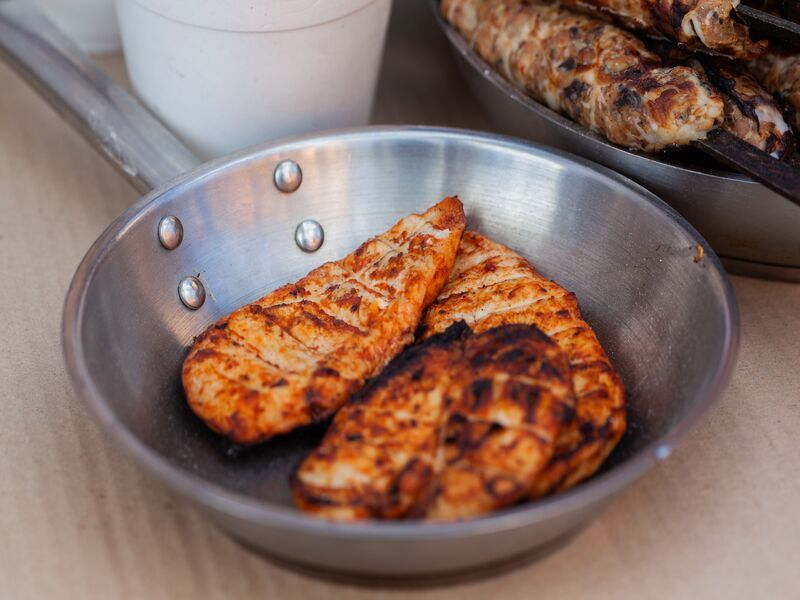
3. Essential Rules for Reheating Tender Chicken Breast
No appliance can compensate for poor preparation. Follow a few basic rules that reduce moisture loss and help the meat warm more evenly.
Slice After Reheating, Not Before
Whole chicken breasts retain moisture better than thin slices. Unless you are using a quick stovetop recipe, reheat the meat first and slice it afterward.
Add Moisture Without Drenching the Chicken
A small amount of broth, water, butter, or sauce creates steam and restores surface moisture. Too much liquid, however, may dilute the seasoning or make breaded chicken soggy.
Reheat Only What You’ll Eat
Remove the amount you need from the refrigerator and leave the remaining chicken chilled. This preserves its quality and avoids unnecessary reheating cycles.
Let the Meat Rest for a Minute
A brief resting period allows the heat to spread toward the center. This is especially useful after microwave reheating, where temperatures may initially be uneven.
4. How to Rescue Dry Chicken Breast After Reheating?
Instead of discarding it, combine it with moist ingredients or use it in a different dish.
Toss It with Warm Sauce
Slice or shred the chicken and coat it with warm gravy, barbecue sauce, pesto, or a light cream sauce. Warm sauce improves both texture and flavor without requiring prolonged reheating.
Slice It for Salads or Wraps
Thinly sliced chicken works well in salads, sandwiches, tacos, and wraps. Pair it with dressing, yogurt sauce, avocado, or fresh vegetables to balance the dry texture.
Mix It into Pasta or Rice
Add chopped chicken to cooked pasta, fried rice, risotto, or a casserole near the end of preparation. The surrounding sauce or cooking liquid helps soften the meat.
Turn It into Chicken Soup
Shred the chicken and stir it into hot soup shortly before serving. Avoid boiling it for a long time, as extended cooking may make the fibers tougher. Broth-based dishes are particularly effective at making dry chicken more enjoyable.
5. Conclusion
Choosing how to reheat chicken breast comes down to balancing moisture, temperature, and timing. The oven is ideal for several portions, the air fryer refreshes crisp surfaces, the stovetop offers precise control, and the microwave provides speed.
Whichever method you select, add a little moisture, use moderate heat, and stop once the center reaches 165°F. With these precautions, leftover chicken can remain tender, flavorful, and useful in a wide range of meals.