
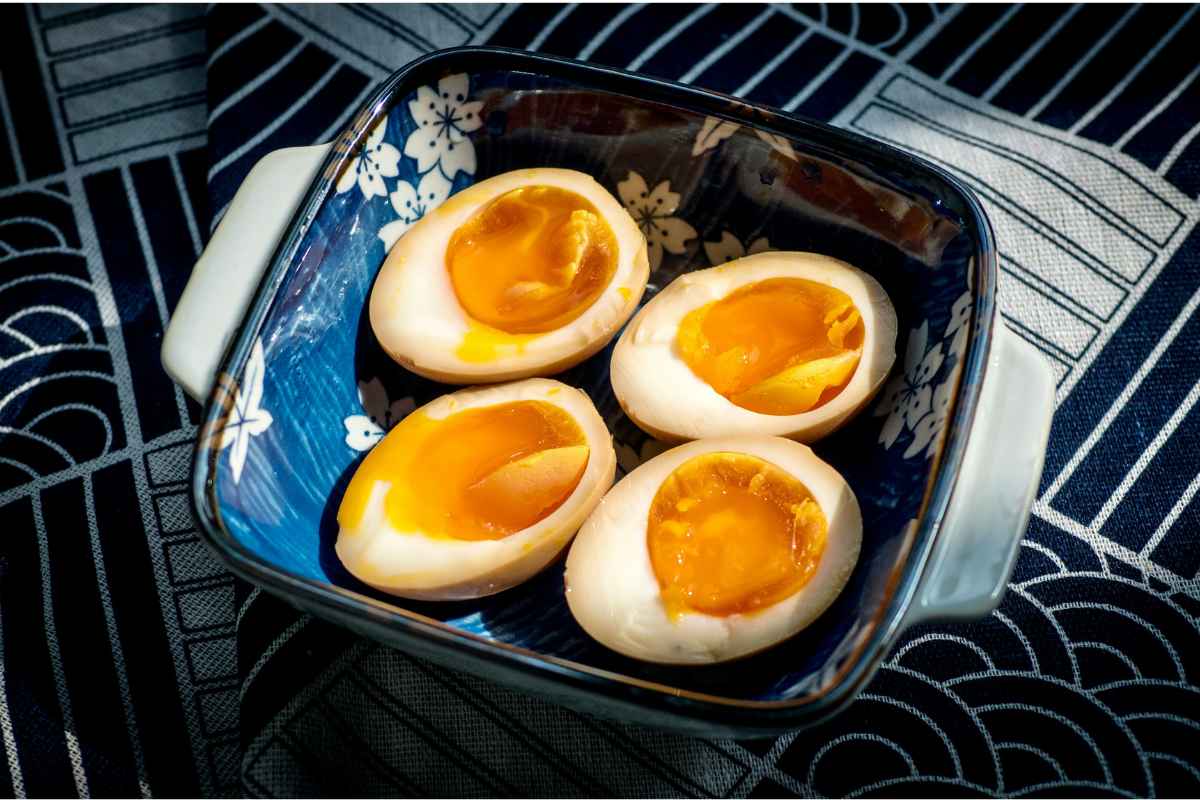

Cold boiled eggs can become rubbery, dry, or unevenly warmed when exposed to excessive heat. This guide explores how to reheat boiled eggs using gentle methods that protect the whites while warming the center more evenly, along with practical tips for peeled and unpeeled eggs, food safety, and common mistakes to avoid.
Refer to the TeaKoe guide below for more useful reheating techniques and kitchen advice.
1. Do Boiled Eggs Really Need Reheating?
Boiled eggs do not have to be reheated before eating when they were cooked properly, cooled promptly, and stored safely in the refrigerator.
Plenty of people enjoy them cold because the texture stays firm, and they are convenient for salads, snacks, or quick breakfasts.
Warming is simply a matter of preference if you enjoy eggs served hot. Gentle reheating is best because too much heat can make the whites tough and the yolks dry or chalky.
2. How to Reheat Boiled Eggs Step by Step (3 Safe Methods)
Reheating boiled eggs works best with gentle heat that warms the center without making the whites tough or the yolks dry.
The Hot Water Bath Method
A hot water bath warms boiled eggs gradually, which helps protect their texture and reduces the chance of overheating. This method works especially well for eggs that are still in their shells and only need to be brought closer to serving temperature.
- Place the boiled eggs in a heat-safe bowl.
- Bring water to a boil separately.
- Pour the hot water over the eggs until they are fully covered.
- Let them sit for about 5 to 10 minutes, depending on how warm you want them.
- Remove the eggs carefully with a spoon or tongs.
- Dry, peel if needed, and serve while warm.
The Steaming Method
Steam provides steady, indirect heat and can warm refrigerated boiled eggs without immersing them in water. It is useful when reheating several eggs at once, but timing should remain short to prevent the whites from becoming firm or rubbery.
- Add a small amount of water to a pot and bring it to a gentle simmer.
- Place the eggs in a steamer basket above the water.
- Cover the pot with a lid.
- Steam the eggs for about 3 to 5 minutes.
- Remove them carefully with tongs.
- Let them rest briefly before peeling or serving.
- Add another minute only if the centers are still cooler than preferred.
Microwave Warning: Why You Should Never Microwave Whole Eggs
Microwaving a whole boiled egg, whether peeled or still in the shell, can be dangerous because steam may build up inside faster than it can escape.
The egg can burst during heating or even explode after removal when it is cut, bitten, or disturbed. This can cause burns and create a serious mess. Safer reheating methods rely on hot water or steam, which warms the egg more gradually and predictably.
3. Mistakes People Make When Reheating Boiled Eggs
Small reheating mistakes can quickly turn a tender boiled egg into something rubbery, dry, or unevenly warmed.
Heating Eggs Too Aggressively
High heat can tighten the egg whites and dry out the yolks before the center warms evenly. Gentle methods, such as a hot water bath or steaming, give the egg more time to heat gradually, which usually produces a softer and more pleasant texture.
Microwaving Whole Eggs
Whole boiled eggs can build up internal steam when microwaved, creating a risk of bursting during or after heating. This applies to peeled eggs as well as eggs in the shell. Use hot water or steam instead when you want a safer and more controlled result.
Leaving Eggs in Heat Too Long
Even gentle reheating can overcook boiled eggs if they stay hot for too long. Extended heating may make the whites chewy and the yolks dry or chalky. Start with a short warming period, then add more time only if needed.
Reheating Eggs Straight From Improper Storage
Reheating cannot make spoiled eggs safe again. Refrigerated boiled eggs should be stored properly and discarded if they show unusual odors, sliminess, or other signs of spoilage. Always check the storage time and condition before warming them.
Expecting Reheated Eggs to Match Fresh Ones
Reheating can restore warmth, but it cannot completely recreate the texture of a freshly cooked egg. The best goal is gentle warming with minimal additional cooking, rather than trying to make refrigerated eggs taste exactly as they did when first boiled.
>>> Read More: How to Reheat Bacon for a Fresh-Cooked Breakfast Experience
4. Frequently Asked Questions About Reheating Boiled Eggs
Reheating boiled eggs becomes easier when you account for whether they are peeled, how soft the yolk is, and how they will be served. These common questions cover practical ways to warm eggs without overcooking them or damaging their texture.
Should boiled eggs be peeled before reheating?
Not necessarily. Eggs can be warmed in their shells using a hot water bath or steaming method, which can help protect the whites from direct heat. Peeled eggs can also be reheated, but they should be handled gently to avoid drying out the surface.
Can soft-boiled eggs be reheated?
Yes, but soft-boiled eggs need especially gentle reheating because additional heat can quickly firm up the yolk. A brief hot water bath following official USDA safe food temperature chart principles is usually a better choice than prolonged steaming if you want to preserve a softer center while ensuring the egg is warmed safely.
What’s the best way to warm boiled eggs for ramen?
For ramen, place the peeled boiled egg in warm or hot broth shortly before serving, rather than cooking it again for a long time. This gently raises the temperature while helping the egg absorb some of the broth’s flavor without making the white rubbery.
5. Final Thoughts
Gentle heat makes the biggest difference when warming cooked eggs without creating rubbery whites or dry yolks. TeaKoe offers more practical kitchen guidance for everyday cooking and reheating questions.
Following how to reheat boiled eggs with a hot water bath or steaming method helps preserve texture, improve warmth, and make refrigerated eggs more enjoyable when served again.