
Leftover corn can lose its sweetness and turn dry when reheated without enough moisture. This instruction on how to reheat corn on the cob explains how to warm each ear gently, keep the kernels juicy, and protect that fresh, buttery bite.
For more practical leftover tips, refer to TeaKoe’s guide below and enjoy corn that tastes tender, warm, and naturally sweet again.
1. How to Reheat Corn on the Cob in The Microwave?
Can you heat corn on the cob in the microwave? Yes, the microwave is the quickest way to warm corn on the cob when you only have one or two pieces.
- Wrap with moisture: Place the corn on a microwave-safe plate and cover it with a damp paper towel. This helps create gentle steam around the kernels.
- Add a little butter if desired: Spread a small amount of butter over the corn before reheating for extra flavor and moisture.
- Heat in short intervals: Microwave for about 30 to 45 seconds at a time, depending on the size of the cob.
- Rotate the corn: Turn the cob between intervals so all sides warm evenly and no section becomes too hot or dry.
- Check the texture: Stop once the kernels are warm and juicy. Overheating can make them shriveled, chewy, or less sweet.
- Season before serving: Add salt, pepper, herbs, or more butter after reheating to refresh the flavor.
2. How to Reheat Corn on the Cob in the Oven?
The oven is a great choice when you want to reheat several ears of corn at the same time.
- Preheat the oven: Set the oven to about 350°F so the corn warms slowly without drying out too fast.
- Add moisture: Brush each cob with a little butter or sprinkle lightly with water to help protect the kernels.
- Wrap in foil: Cover each ear of corn tightly in aluminum foil. This traps steam and keeps the corn tender.
- Place on a baking sheet: Arrange the wrapped corn in one layer so each piece heats evenly.
- Reheat until warm: Bake for about 10 to 15 minutes, depending on the size and thickness of the corn.
- Check before serving: Carefully open the foil and test the kernels. Add salt, pepper, herbs, or more butter before serving for better flavor.
3. How to Reheat Corn in the Hot Water Bath?
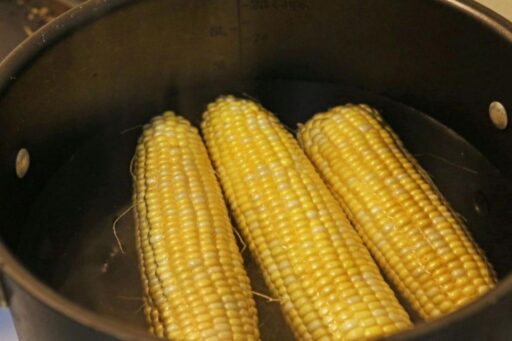
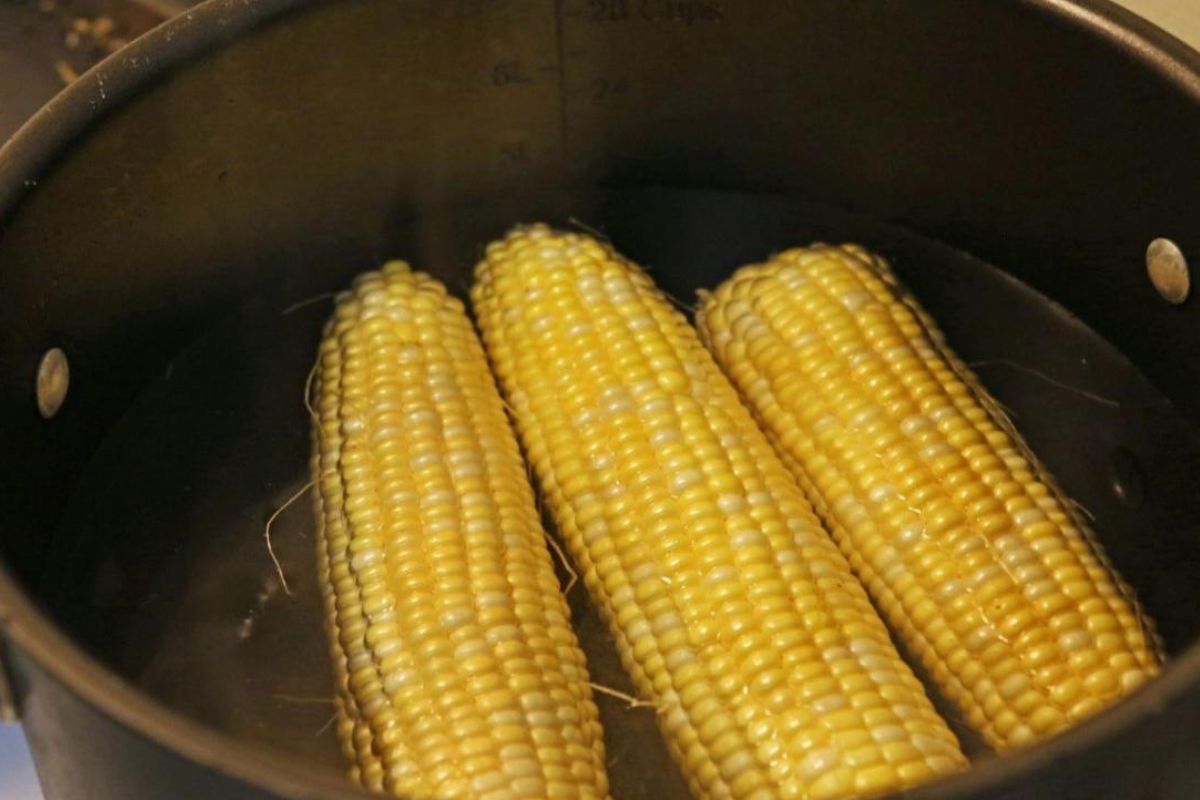
The hot water bath method is gentle, simple, and helpful when you want corn to stay juicy without direct heat. It warms the kernels evenly while protecting their natural sweetness and tender bite.
- Heat the water: Fill a large pot with enough water to cover the corn, then bring it to a gentle simmer. Avoid a strong boil because high heat can make the kernels tough.
- Add the corn: Place the corn on the cob into the hot water carefully.
- Warm briefly: Let the corn sit in the hot water for about 3 to 5 minutes. Since the corn is already cooked, it only needs to be reheated, not cooked again.
- Turn if needed: If the corn floats, rotate it once or twice so every side gets enough heat.
- Drain well: Remove the corn with tongs and let excess water drip off before serving.
- Finish with flavor: Add butter, salt, pepper, herbs, or seasoning while the corn is still hot so the flavor melts into the kernels.
To maintain quality and safety, always ensure your cooked vegetable leftovers are stored in the fridge for no more than 3 to 4 days before reheating, and stop warming once the cob is hot and ready to serve.
>>> Read More: How to Reheat Brisket the Next Day? A BBQ Guide to Perfect Leftovers
4. Common Mistakes When Reheating Corn on the Cob
How do you prevent corn from becoming mushy when reheating? Corn on the cob needs gentle heat and light moisture to stay sweet, juicy, and tender after storage.
Using Too Much Heat
High heat can make corn kernels tough on the outside while drying out the natural juices inside.
Gentle warming is usually better than aggressive heat. Use moderate oven heat, short microwave intervals, or a hot water bath to protect the corn’s texture.
Skipping Moisture
Corn can dry out quickly when reheated without water, butter, steam, or a damp cover. Moisture helps the kernels stay plump and tender instead of shriveled.
Use light moisture, not too much water, and avoid long heating.
Reheating Too Long
Corn is already cooked, so reheating should only warm it through. Leaving it in the microwave, oven, or hot water too long can make the kernels soft, dull, or chewy.
Check early and stop once the cob is warm, juicy, and ready to serve.
Leaving Corn Uncovered
Uncovered corn loses moisture faster, especially in the oven or microwave. The kernels can dry out before the center warms properly.
Covering with foil, a damp paper towel, or a microwave-safe lid helps trap gentle steam and keeps the corn tender without overcooking it.
5. Fresh Corn vs Frozen Corn on the Cob
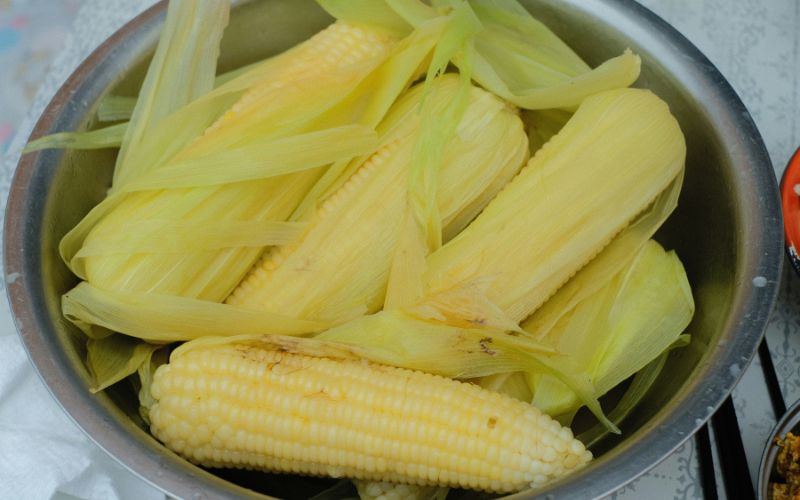
Fresh and frozen corn can both reheat well, but they do not need the exact same timing or moisture level.
| Factor | Fresh Corn on the Cob | Frozen Corn on the Cob |
|---|---|---|
| Texture After Reheating | Usually tender, juicy, and slightly crisp when reheated gently | Can be softer because freezing changes the kernel structure |
| Best Reheating Method | Microwave with a damp towel, oven with foil, or hot water bath | Hot water bath, oven with foil, or microwave with extra moisture |
| Moisture Needs | Needs light moisture to prevent drying | Needs more moisture because frozen kernels can lose juiciness faster |
| Reheating Time | Usually shorter because it is already chilled, not frozen | Usually longer, especially if reheated directly from frozen |
| Flavor | Sweeter and fresher when stored properly | Still sweet, but may taste milder after freezing |
| Best Tip | Avoid overheating so the kernels stay plump and bright | Reheat gently and check often to prevent mushy or watery corn |
6. Final Words
Fresh and frozen corn may need slightly different timing, but the same rule matters most: avoid overheating. Check early, add butter or light moisture when needed, and stop once the kernels are warm and plump.
For more practical leftover tips, TeaKoe’s guide on how to reheat corn on the cob can help every cob taste fresh, tender, and naturally sweet again.