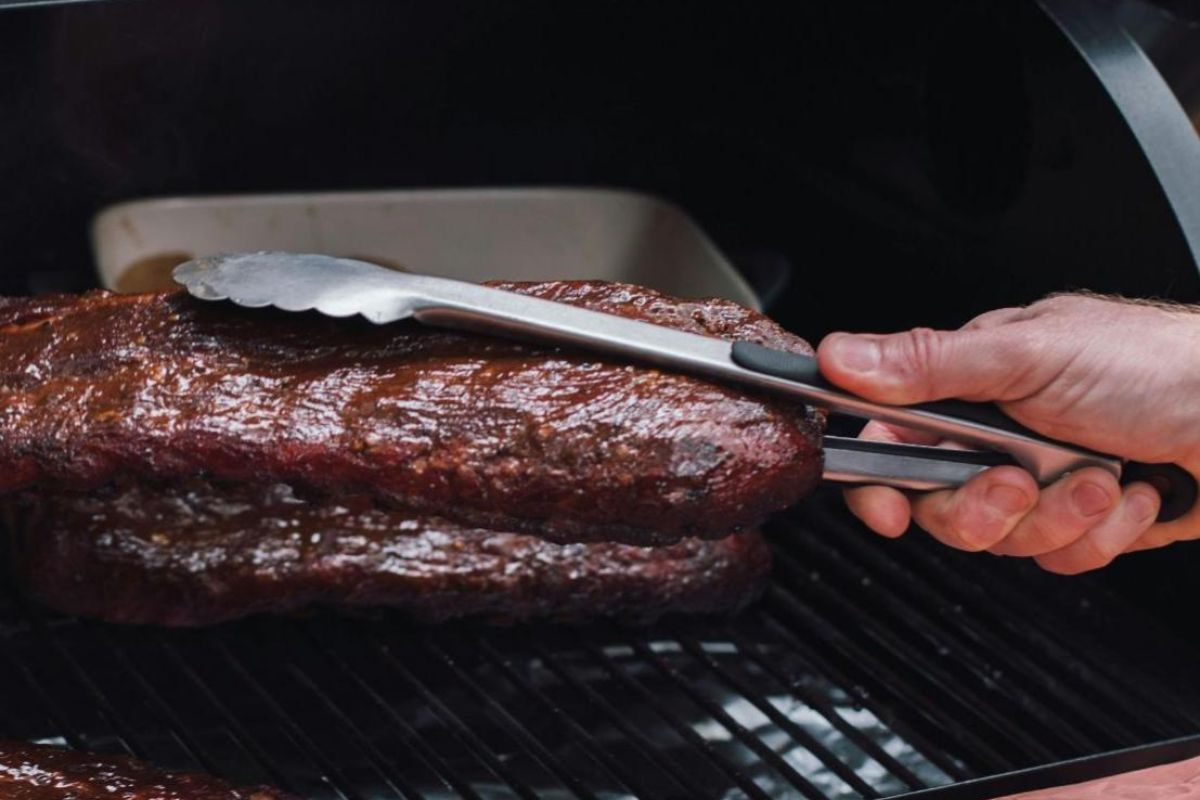

Next-day brisket can lose its smoky tenderness if it is reheated too quickly, especially once the juices have settled in the fridge. This guide on how to reheat brisket explains how to warm slices or larger pieces slowly, protect the bark, and keep the meat moist without turning it dry or stringy.
For more practical BBQ leftover tips, refer to TeaKoe’s guide below and enjoy every bite again.
1. Can You Cook a Brisket the Day Before and Reheat It?
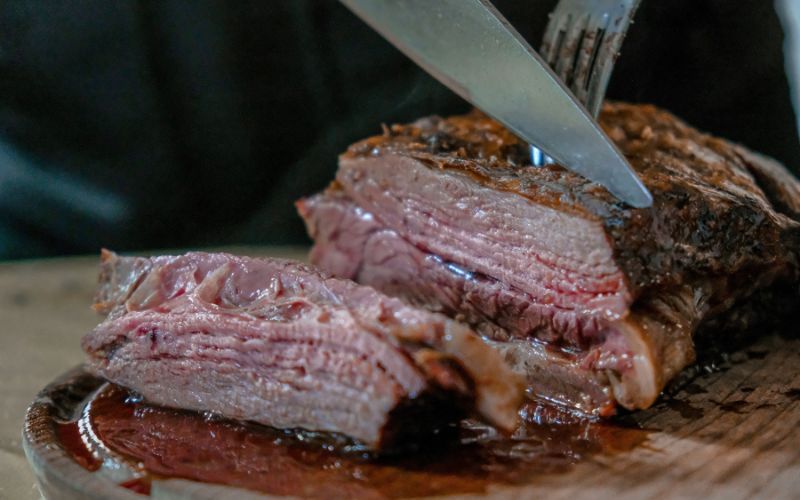
Yes, cooking brisket the day before can actually make serving easier and more controlled. Brisket needs time to rest properly, and chilling it overnight helps the meat firm up just enough for cleaner slicing.
Instead of shredding or falling apart too much, the brisket can be cut into neat, even pieces that look better on the plate.
This make-ahead approach also gives the juices time to settle back into the meat, which supports better texture when reheated.
The next day, gentle heat, a little broth or reserved drippings, and a tight covering can bring back the smoky flavor while keeping the brisket moist and tender.
2. How to Reheat Brisket for the Perfect Flavors
Brisket needs slow, gentle reheating because its smoky flavor and tenderness can fade quickly under strong heat.
- Let the brisket rest briefly before reheating: Take it out of the refrigerator for about 20 to 30 minutes, so it is not ice-cold when it goes into the oven.
- Keep the slices or chunks together: Reheat larger pieces when possible because they hold moisture better than thin slices.
- Add moisture to the pan: Pour in a small amount of beef broth, reserved brisket juices, or barbecue sauce.
- Cover tightly: Wrap the brisket in foil or cover the baking dish well. Trapping steam helps keep the meat tender and prevents the surface from drying out.
- Use low heat: Reheat at about 250°F to 300°F until the brisket is warmed through. Avoid high heat because it can make the meat tough, stringy, or dry.
- Check the texture before serving: Once the brisket feels hot and tender, remove it from the oven and let it rest for a few minutes.
3. Main Reheating Mistakes That Cost You Flavor
Brisket can lose its smoky depth and tender bite when it is sliced, stored, or reheated the wrong way.
Slicing Too Early
Slicing brisket too early can drain away the juices before the meat has time to settle.
Whole or larger pieces usually hold moisture better during storage and reheating than thin slices.
Poor Storage Habits
Poor storage can make brisket dry before reheating even begins. If the meat is left loosely covered, cold air can pull moisture from the surface and weaken the bark.
Store brisket in an airtight container or wrap it tightly with its juices, broth, or sauce so the meat stays moist overnight.
Temperature Mistakes
Temperature mistakes can quickly turn tender brisket into dry, stringy meat. High heat may seem faster, but it can overcook the outside before the center warms through.
Low, steady heat is better because it gives the fat and juices time to soften again without damaging the texture or dulling the smoky flavor.
4. Questions People Ask About Reheating Brisket
Brisket leftovers can still taste smoky and tender when they are stored and reheated with the right method.
Can brisket be frozen and reheated?
Yes, brisket can be frozen and reheated, especially if it is wrapped tightly with its juices to prevent freezer burn.
For the best texture, thaw it overnight in the refrigerator before reheating. Warm it slowly with broth, sauce, or reserved drippings so the meat stays moist.
Is brisket good for cholesterol?
Brisket can be high in saturated fat, especially from the fattier point cut, so portion size matters for people watching cholesterol.
Leaner slices from the flat, trimmed fat, and lighter side dishes can make the meal more balanced.It is best enjoyed in moderation rather than as an everyday high-fat protein.
What temperature should brisket reach when reheated?
Brisket should be reheated until it is hot all the way through, commonly around 165°F for safe leftover serving.
Use low oven heat and check with a meat thermometer so the center warms without drying out. Once reheated, let it rest briefly and spoon juices over the meat before serving.
>>> Read More: How to Reheat Pizza in Oven: Bring Back Crispy Crust and Melted Cheese
5. Final Words
Low heat is the key to warming the brisket without making it dry, stringy, or tough. Good storage also matters, especially if you plan to cook brisket the day before and serve it later.
For more practical BBQ leftover guidance, TeaKoe’s guide on how to reheat brisket can help every slice stay juicy, flavorful, and worth enjoying again.