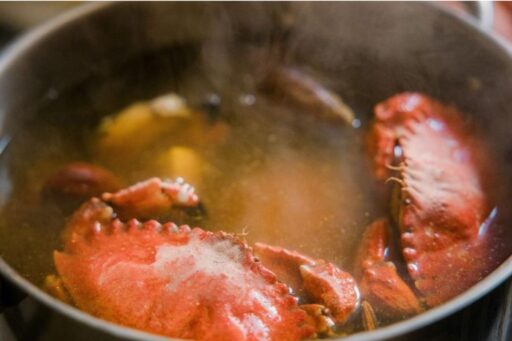
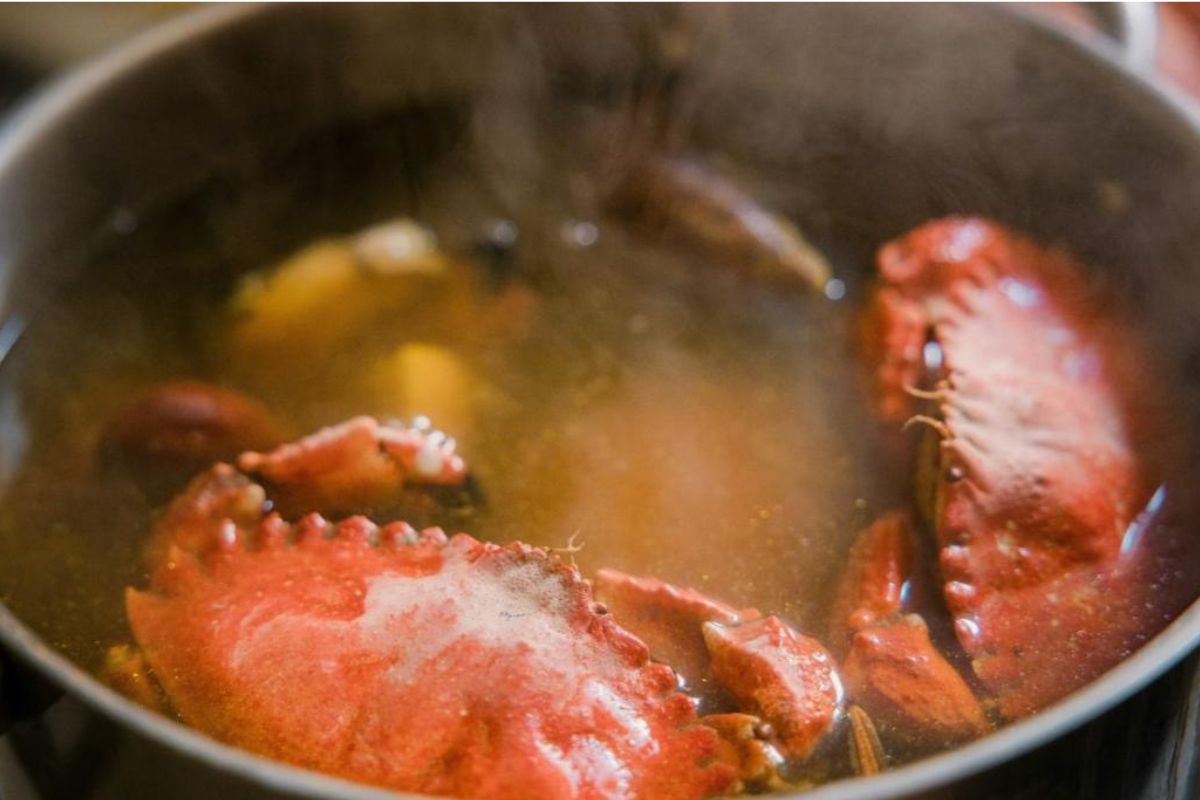

Seafood boil leftovers need gentle heat because shrimp, crab, sausage, corn, and potatoes do not reheat at the same speed. This guide on how to reheat seafood boil explains how to warm everything evenly, protect delicate seafood from turning rubbery, and keep the buttery seasoning bold.
For more practical leftover tips, refer to TeaKoe’s guide below and bring the feast back warm, juicy, and flavorful.
1. Why Seafood Boil Bags Reheat Differently Than Regular Leftovers?
Seafood boil bags are more delicate than typical leftovers because each ingredient reacts to heat in a different way.
- Mixed ingredients heat at different speeds: Shrimp, crab, sausage, potatoes, and corn do not warm at the same pace.
- Seafood is easy to overcook: Shrimp, crab legs, and mussels are already cooked in most seafood boils.
- Sauce needs protection: Butter sauce, garlic seasoning, and Cajun spices can separate, burn, or become too salty if reheated too aggressively. Low, steady heat helps the sauce coat everything again without losing its flavor.
- Steam affects texture: Seafood boil bags often hold moisture, which can help reheat the food evenly.
- Large pieces need more time: Potatoes, corn cobs, and sausage slices are thicker than shrimp or crab meat.
2. How to Reheat Seafood Boil Bag Step by Step?
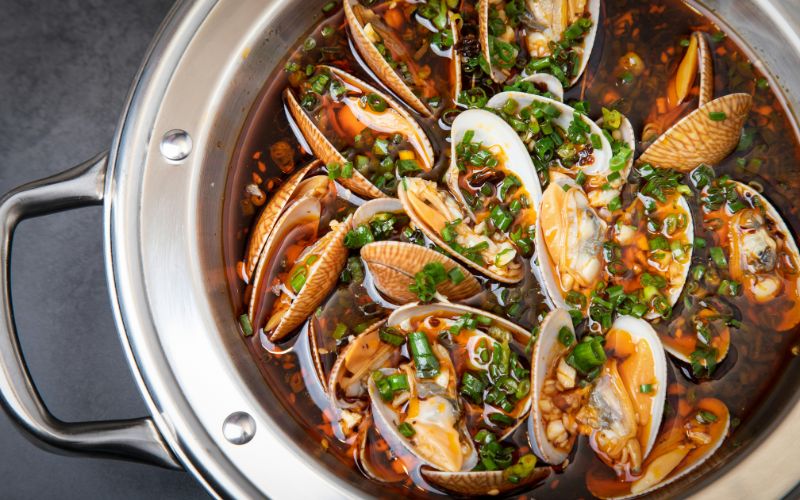
A seafood boil bag needs slow, moist heat because shrimp, crab, corn, potatoes, and sausage do not warm at the same speed.
Method 1: The Steaming Method
Steaming is one of the safest ways to reheat a seafood boil because it warms the ingredients gently without direct contact with strong heat.
It works especially well for crab legs, shrimp, mussels, corn, and potatoes when you want to keep everything juicy.
- Prepare the pot: Add a small amount of water to a large pot and place a steamer basket inside. The food should sit above the water, not directly in it.
- Add the seafood boil: Place the seafood, corn, potatoes, and sausage into the steamer basket. If the boil is still in a food-safe reheating bag, follow the bag’s instructions carefully.
- Cover the pot: Put the lid on tightly so steam can circulate and warm the ingredients evenly.
- Steam gently: Heat for about 5 to 8 minutes, depending on the amount and size of the ingredients.
- Check delicate seafood first: Remove shrimp or smaller seafood pieces once they are warm so they do not overcook.
- Toss with sauce: Add melted butter, garlic seasoning, or leftover boiled sauce after reheating to refresh flavor and moisture.
Method 2: The Stovetop Skillet Method
The stovetop skillet method is useful when you want to warm the seafood boil with its sauce instead of steaming everything separately.
It gives you more control over moisture, seasoning, and timing, especially for buttery or Cajun-style leftovers.
- Choose a large skillet: Use a wide pan so the ingredients can spread out instead of piling too high.
- Add moisture first: Pour in a small amount of water, broth, butter, or leftover seafood boil sauce to prevent sticking and drying.
- Warm heavier items first: Add potatoes, corn, and sausage before delicate seafood because they need more time to heat through.
- Add seafood later: Place shrimp, crab, mussels, or crawfish in the pan once the heavier items are almost warm.
- Cover briefly: Put a lid on the skillet for a few minutes to trap gentle steam and heat everything evenly.
- Stir carefully: Toss lightly so the sauce coats each piece without breaking the seafood.
- Stop once warm: Remove from heat as soon as the seafood is hot and tender, not rubbery or dry.
3. Pro-Tips: How to Keep Delicate Seafood from Turning Rubbery
Seafood turns rubbery when it is exposed to strong heat for too long, especially after it has already been cooked once.
- Separate delicate seafood first: Shrimp, crab meat, mussels, and crawfish warm faster than potatoes, corn, and sausage.
- Use low to medium heat: Strong heat tightens seafood quickly and can make it chewy. Gentle heat gives the ingredients time to warm without drying out.
- Add moisture before reheating: A splash of water, broth, butter, or leftover sauce helps protect texture.
- Reheat heavier items first: Potatoes, corn, and sausage need more time than seafood. Warm them first, then add shrimp, crab, or mussels during the final minutes.
- Cover briefly, not constantly: A lid helps trap steam, but too much trapped moisture can make the boil watery.
- Stir gently: Seafood can break apart if tossed too roughly. Use light turning motions so the sauce coats each piece without damaging the texture.
- Stop as soon as it is warm: Seafood does not need to cook again. Remove it from heat once it is hot, tender, and fragrant to avoid a rubbery bite.
>>> Read More: How to Reheat Salmon Without Drying It Out or Losing Flavor
4. Common Concerns about Reheating Seafoods
Seafood boil leftovers can still taste rich and satisfying when they are stored safely and reheated gently.
Can I eat my seafood boil the next day?
Yes, you can eat seafood boil the next day if it was stored properly in the refrigerator within a safe time after serving. According to the USDA guidelines on fish safety, cooked seafood can be safely stored in the refrigerator at 40°F or below for 3 to 4 days.
Keep it in an airtight container and reheat only the portion you plan to eat. If it smells sour, feels slimy, or looks unusual, it is better to discard it.
How do you keep shrimp from becoming rubbery?
Shrimp becomes rubbery when it is reheated too long or exposed to high heat. Add shrimp near the end of reheating, use low to medium heat, and stop as soon as it is warm.
Should seafood boil sauce be reheated separately?
Yes, reheating the sauce separately can help protect both flavor and texture. Warm the butter sauce, garlic seasoning, or Cajun sauce gently, then pour it over the seafood after reheating.
Can seafood boil be frozen?
Seafood boil can be frozen, but some ingredients may change texture after thawing. Shrimp and crab may become softer, while potatoes and corn can turn slightly watery.
For best results, freeze in airtight containers, thaw in the refrigerator, and reheat gently with added moisture.
5. Final Words
Good reheating protects both texture and flavor, especially with shrimp, crab, mussels, and buttery seasoning. Avoid high heat, long timing, and repeated reheating because seafood can turn rubbery fast.
For more practical leftover tips, TeaKoe’s instructions on how to reheat seafood boil can help every seafood feast come back warm, flavorful, and delicious.