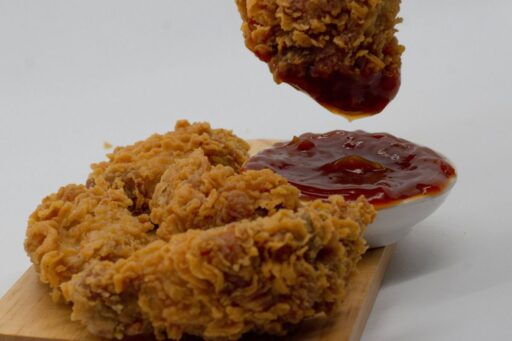
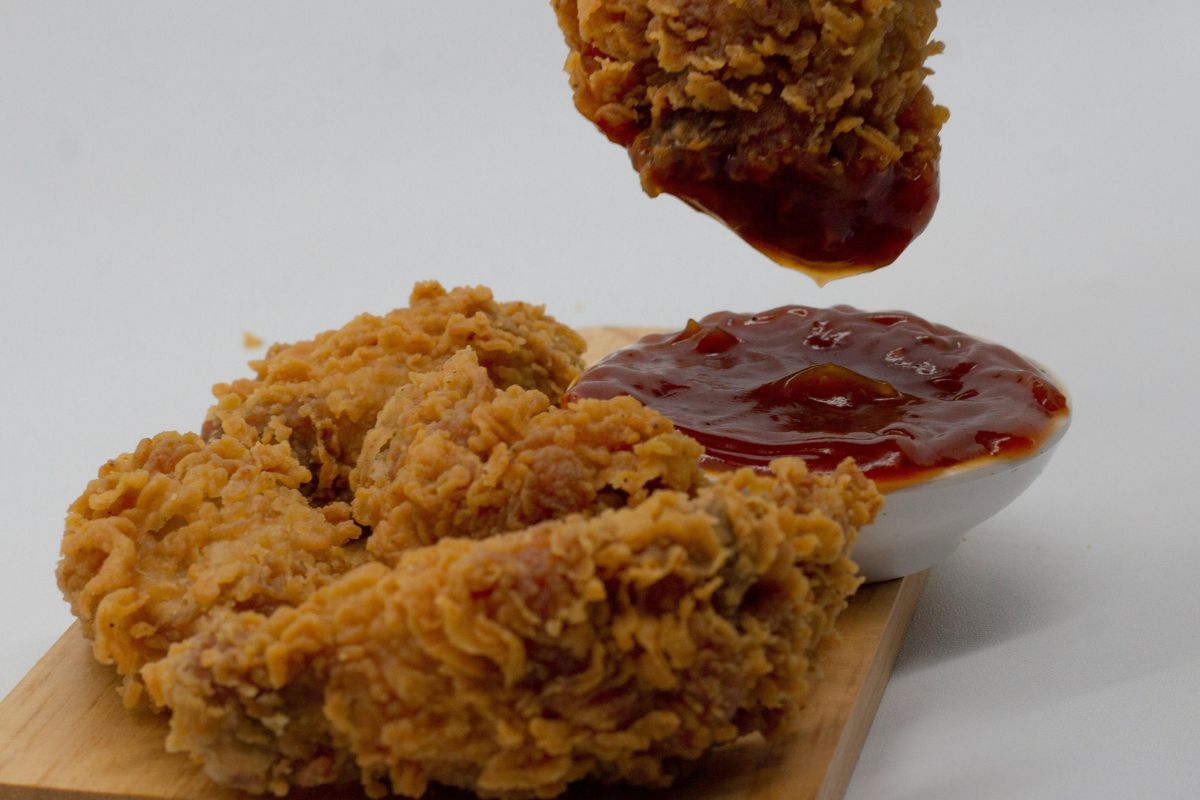

Chicken wings can lose their crisp skin and bold seasoning when reheated too quickly or with too much steam. This guide on how to reheat chicken wings explains how to warm leftovers evenly, keep the meat juicy, and bring back a satisfying bite without drying the edges.
For more practical leftover tips, refer to TeaKoe’s guide below and enjoy wings that still taste flavorful, hot, and crisp.
1. Why Restaurants and Wing Chains Reheat Wings Differently
Restaurants and wing chains usually focus on fast heat, crisp texture, and sauce control because wings can lose quality quickly after cooling.
Crisping the Skin
Crispy skin is one of the main reasons wings taste fresh instead of being leftover. Restaurants often use high, dry heat to remove surface moisture and tighten the skin again.
Sauce Management
Sauce can burn, split, or become sticky if it is exposed to strong heat for too long. Wing chains often reheat wings first, then toss them in sauce near the end.
Preventing Overcooked Meat
Chicken wings are small, so the meat can dry out quickly if reheated for too long. Restaurants use short timing and controlled heat to warm the inside without overcooking it.
>>> Read More: How to Reheat Rotisserie Chicken Without Drying It Out
2. How to Reheat Chicken Wings Step by Step?
Chicken wings reheat best when you use dry heat, enough spacing, and short timing to protect both the skin and meat.
How to Reheat Chicken Wings in the Air Fryer
The air fryer is one of the best methods for leftover wings because it circulates hot air around each piece.
It works especially well for plain, dry-rubbed, or lightly sauced wings. For saucy wings, reheating first and adding fresh sauce near the end can keep the texture from turning sticky or soggy.
- Preheat the air fryer: Set it to about 350°F to 375°F so the wings start crisping as soon as they go in. To meet food safety standards, make sure the chicken reaches an internal temperature of 165°F before serving.
- Let wings sit briefly: Take them out of the refrigerator for about 10 minutes before reheating them.
- Arrange in one layer: Place wings in the basket with space between each piece. Overcrowding traps steam and softens the skin.
- Reheat in short timing: Warm for about 5 to 8 minutes, depending on wing size and thickness.
- Shake or flip halfway: Turn the wings once so both sides crisp evenly and the skin does not over-brown on one side.
- Add sauce near the end: If needed, brush or toss with sauce during the last minute or sauce after reheating for a fresher flavor.
How to Reheat Chicken Wings in the Oven
The oven is a strong choice when you need to reheat a larger batch of wings at once. It warms the wings more evenly than the microwave and gives the skin a better chance to crisp.
A wire rack works best because it lifts the wings above the tray, allowing heat to reach the bottom.
- Preheat the oven: Set the oven to about 375°F to 400°F for steady heat and better crisping.
- Use a baking sheet and rack: Place a wire rack over a baking sheet so hot air can move around the wings.
- Spread wings evenly: Keep the wings in a single layer and avoid stacking, since stacked wings can steam instead of being crisp.
- Reheat until hot: Warm for about 10 to 15 minutes, depending on size and quantity.
- Flip halfway through: Turn the wings once to help both sides heat evenly and keep the skin from staying soft.
- Finish with sauce carefully: Add sauce after reheating, or brush it on during the last few minutes so it does not burn or become too sticky.
3. How to Handle Different Types of Wings
Wing styles do not always reheat the same way because sauces, seasonings, and coatings react differently to heat.
Buffalo Wings
Buffalo wings can become soggy if reheated with too much sauce already on the skin. Reheat them first in the air fryer or oven until the outside firms up, then toss with fresh Buffalo sauce near the end.
BBQ Wings
BBQ wings need careful timing because sugary sauce can burn quickly under high heat. Use moderate heat and avoid adding extra sauce too early. Warm the wings first, then brush on a thin layer of BBQ sauce during the final minutes so the coating turns glossy instead of bitter or scorched.
Garlic Parmesan Wings
Garlic Parmesan wings are best reheated with dry heat to protect the buttery, cheesy coating. Too much heat can make the cheese darken or the garlic taste harsh.
Reheat gently, then add a little fresh Parmesan, garlic butter, or herbs after warming to refresh the flavor.
Lemon Pepper Wings
Lemon pepper wings usually reheat well because the seasoning is dry and less likely to burn than sticky sauces.
Use the air fryer or oven to bring back crisp skin, then add a light squeeze of lemon after reheating.
Dry Rub Wings
Dry rub wings are one of the easiest styles to reheat because there is no wet sauce to soften the skin. Hot, circulating air helps revive the crust and wake up the spices.
Keep the wings in a single layer and check early so the seasoning does not over-toast.
4. Air Fryer, Oven, or Microwave: Which Method Wins?
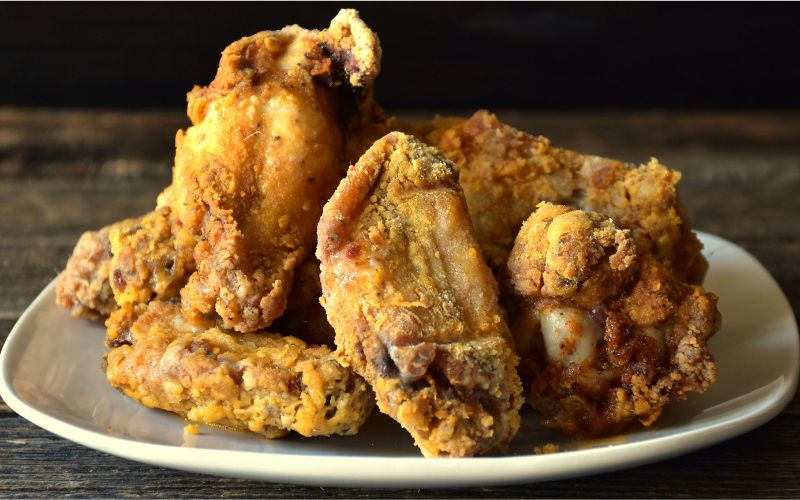
Wings need heat that can revive the skin without turning the meat dry or chewy.
| Method | Best For | Texture Result | Approximate Time | Main Advantage | Watch Out For |
|---|---|---|---|---|---|
| Air Fryer | Small to medium batches, crispy wings, dry rub wings | Crisp skin, juicy center, less soggy texture | 5 to 8 minutes | Fast reheating with strong crisping power | Overcrowding can trap steam and soften the skin |
| Oven | Larger batches, family portions, sauced or plain wings | Evenly warmed wings with decent crispiness | 10 to 15 minutes | Handles more wings at once and heats steadily | Takes longer and may need a rack for better airflow |
| Microwave | Very quick reheating when crispiness is not the goal | Soft skin, warmer meat, less crunch | 1 to 2 minutes | Fastest and most convenient option | Can make wings rubbery, soggy, or unevenly heated |
| Best Overall Choice | Crisp leftovers with good flavor | Air fryer gives the strongest crisp finish | 5 to 8 minutes | Best mix of speed, texture, and moisture control | Needs space between wings for the best result |
5. What Are Common Mistakes when Reheating Wings?
Small reheating mistakes can make wings soggy, dry, or unevenly warm instead of crisp and flavorful.
Too Much Sauce During Reheating
Too much sauce can soften the skin and make wings sticky before they have time to crisp. Sweet sauces may also burn if exposed to strong heat too long.
Reheat the wings first, then toss or brush with sauce near the end for better flavor and texture.
Overheating the Meat
Wings are small, so the meat can dry out quickly when reheated for too long. Strong heat may crisp the outside, but it can also make the inside chewy.
Crowding the Cooking Surface
Crowding traps steam between the wings, which prevents the skin from crisping properly.
Whether using an air fryer, oven, or pan, each piece needs space for heat to move around it. Reheat in smaller batches if needed to keep the outside firm and crisp.
Reheating Multiple Times
Reheating wings more than once can weaken the texture and raise food safety concerns if leftovers are cooled and warmed repeatedly.
The meat may become dry, while the skin loses its bite.
6. Final Words
Good reheating is about balance: enough heat to revive the outside, but not so much that the meat dries out. Avoid overcrowding, reheating too many times, or using the microwave when crispiness matters most.
For more simple leftover tips, TeaKoe’s guide on how to reheat chicken wings can help every wing come back hot, crisp, and satisfying.