
Many people are curious about herbal teas, especially when it comes to bold and colorful drinks like hibiscus tea. Known for its deep red color and refreshing profile, it often surprises first-time drinkers. But what does hibiscus tea taste like exactly?
This vibrant herbal infusion has a unique tart, cranberry-like flavor with floral and slightly fruity notes. In this article, we’ll explore its full flavor profile and what you can expect from every sip.
1. What Does Hibiscus Tea Taste Like?
Hibiscus tea is known for its bold, refreshing flavor profile that stands out from most herbal teas. It is naturally caffeine-free and often enjoyed for its vibrant color and tangy taste.
What Gives Hibiscus Tea Its Signature Taste?
Hibiscus tea’s signature taste is shaped by three main flavor notes.
- Sweetness
Hibiscus tea has a light natural sweetness, especially when brewed properly or paired with sweeteners like honey or sugar. This gentle sweetness helps balance its sharper notes.
- Tartness
The most noticeable characteristic of hibiscus tea is its tart, cranberry-like flavor. This tangy quality gives the tea its refreshing and slightly sour edge, making it a popular choice for iced drinks.
- Floral Undertones
Alongside its tartness, hibiscus tea carries subtle floral notes. These undertones add depth and smoothness, softening the overall flavor profile.
How Hibiscus Tea Differs From Other Tea Varieties
Unlike green tea or black tea, hibiscus tea is naturally caffeine-free and delivers a brighter, fruitier flavor profile with stronger tartness, which helps explain what does hibiscus tea taste like.
The tea usually feels sharper and more refreshing than milder herbal teas such as chamomile or butterfly pea tea, while its deep red color also creates a more vibrant tea experience.
>>> You might be interested in: Does Hibiscus Tea Make You Sleepy? 5 Facts For Bedtime
2. Why Some Hibiscus Tea Tastes Different
Not every cup of hibiscus tea tastes exactly the same because preparation methods and ingredients may change the overall flavor balance. Differences in tartness, sweetness, fruitiness, and intensity are often influenced by how the tea is brewed and served.
- Fresh vs dried flowers
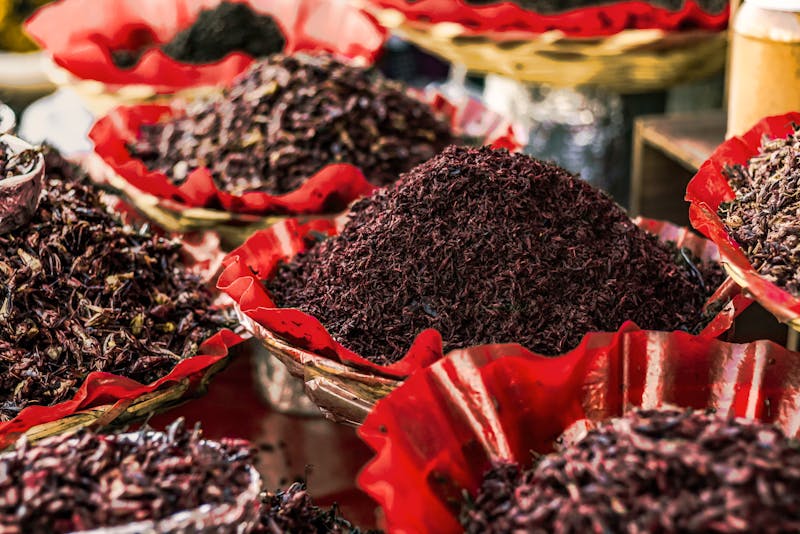
Fresh hibiscus flowers may create a lighter and softer flavor, while dried flowers usually produce a stronger, tart taste with deeper color intensity.
- Added fruit flavors
Berries, citrus fruits, pineapple, or tropical ingredients may make hibiscus tea taste sweeter, fruitier, or more refreshing, depending on the recipe.
- Brewing strength
Long steeping times and higher amounts of hibiscus flowers often create a bolder flavor with stronger acidity and more noticeable tartness. This is key to understanding what does hibiscus tea taste like.
- Sugar content
Honey, sugar, or flavored syrups may soften sour notes and create a smoother balance between fruity sweetness and floral tartness.
3. Key Benefits of Hibiscus Tea
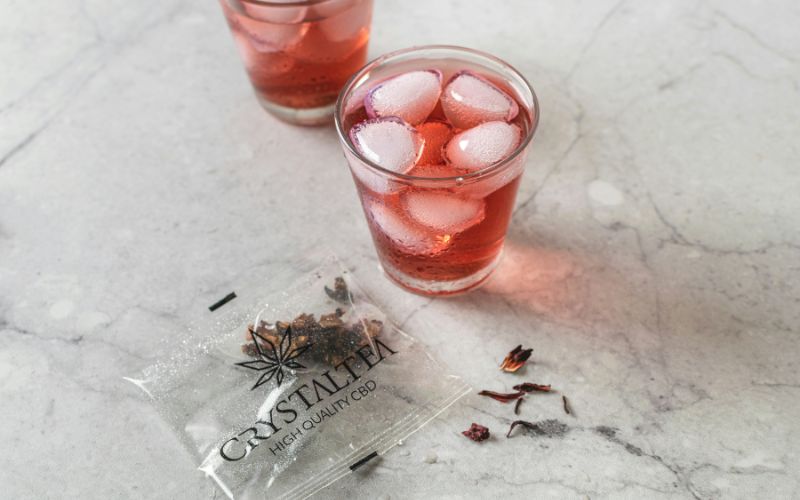
Hibiscus tea is widely enjoyed not only for its vibrant color but also for the refreshing experience it brings to daily routines. Many tea drinkers appreciate its balance of tartness, light floral notes, and naturally fruity character that feels both bold and easy to enjoy.
Supports Hydration and Daily Refreshment
Naturally caffeine-free, hibiscus tea can be a refreshing option throughout the day without the stimulating effects found in traditional black or green tea. People who wonder what does hibiscus tea taste like often describe it as tangy, fruity, and slightly floral, making it enjoyable both hot and iced during warmer weather.
Rich in Antioxidants
Hibiscus flowers contain antioxidants that may help support the body against oxidative stress caused by free radicals. Regular consumption is often associated with wellness-focused lifestyles because the tea provides plant compounds that contribute to overall balance and daily nutritional support.
May Support Heart Health
Several studies suggest hibiscus tea may help support healthy blood pressure and circulation when combined with balanced habits. Its naturally refreshing flavor also makes it easier for some people to replace sugary beverages with a lighter and more health-conscious drink option.
Naturally Low in Calories
Unsweetened hibiscus tea contains very few calories, making it a popular beverage for people trying to reduce sugar intake. The bold flavor profile often feels satisfying on its own, which may help limit the need for heavily sweetened drinks or flavored beverages.
4. Easy Ways to Brew Hibiscus Tea at Home
Brewing hibiscus tea at home is simple and flexible, allowing you to adjust strength, sweetness, and tartness based on preference. This also affects what does hibiscus tea taste like.
- Traditional Method
The hot brewing method uses dried hibiscus flowers steeped in hot water for 5–10 minutes. It creates a bold ruby-red tea with a tart, fruity flavor. Honey, cinnamon, or citrus can be added to balance the sharpness and enhance aroma.
- Cold Brew Method
Cold brewing produces a smoother, less acidic flavor. Dried flowers are soaked in cold water for several hours or overnight. This method creates a light, refreshing drink that is ideal for warm weather and often needs little to no sweetener.
- Tea Bags
Hibiscus tea bags are the fastest option, usually requiring only a few minutes in hot water. They produce a rich color and balanced flavor, and many blends include fruits or herbs like berries, mint, or citrus for added taste.
>>> Read More: Does Herbal Tea Have Caffeine? The Truth About Your Brew
5. Popular Hibiscus Tea Recipes Worth Trying
Hibiscus tea can be enjoyed in many creative ways beyond the traditional hot version. Its fruity tartness pairs well with herbs, spices, and citrus to create refreshing drinks for different tastes and seasons.
- Iced Hibiscus Tea
Iced hibiscus tea is a popular choice for its bright, refreshing flavor and vibrant color. Lemon or honey can help balance its bold tartness. Served over ice, it feels especially refreshing on warm days or outdoor occasions.
- Hibiscus and Mint Cooler
Fresh mint adds a cooling effect that softens the sharpness of hibiscus tea. This chilled drink is often lightly sweetened and served with ice, making it crisp and refreshing, perfect for hot weather.
- Spiced Hibiscus Tea
Spiced versions combine hibiscus with cinnamon, cloves, or ginger for a warmer, deeper flavor. Many people exploring what does hibiscus tea taste like find that spices reduce tartness and add a more comforting finish. This version is often enjoyed hot for a richer aroma.
6. FAQs About Hibiscus Tea Taste
If you still have questions, these FAQs will help explain its taste in more detail.
What does Starbucks hibiscus tea taste like?
Starbucks hibiscus drinks usually combine fruity flavors with a light floral tartness that feels bright and refreshing. Depending on the recipe, ingredients like berries, lemonade, or sweeteners can create a smoother finish that tastes less sharp than pure-brewed hibiscus tea.
What to avoid when drinking hibiscus tea?
Large amounts of hibiscus tea may not be suitable for everyone, particularly individuals managing low blood pressure or certain medications. Drinking it in moderation is generally recommended, and adding too much sugar can reduce some of the healthier qualities associated with herbal tea.
Can hibiscus tea lower cortisol?
Scientific evidence directly connecting hibiscus tea to lower cortisol levels is still limited. Even so, many people enjoy it as part of a calming evening routine because the caffeine-free nature and warm herbal flavor may help support relaxation after stressful days.
Is hibiscus tea similar to berry tea?
Flavor comparisons between hibiscus and berry tea are common because both can taste fruity and slightly tangy. Hibiscus usually delivers a sharper cranberry-like acidity with floral undertones, while berry teas often feel sweeter and softer depending on the fruit blend used.
7. Final Words
Overall, what does hibiscus tea taste like is best answered by its signature tart, cranberry-like flavor with subtle floral undertones. This unique combination creates a refreshing and eye-catching drink that stands out among herbal teas.
Depending on how it’s brewed or sweetened, the taste can vary from sharp to smooth, making it versatile for many preferences. Discover more tea insights and flavor guides at TeaKoe.