



When exploring does black tea have caffeine, it’s helpful to understand how this classic tea fits into your daily routine. Black tea does contain caffeine, but it typically delivers a smoother and more gradual boost compared to coffee.
The caffeine level can change based on how it’s brewed and the type of leaves used. To learn more about managing intake and choosing the right tea, you can follow insights inspired by TeaKoe’s detailed guides.
1. What is Black Tea?
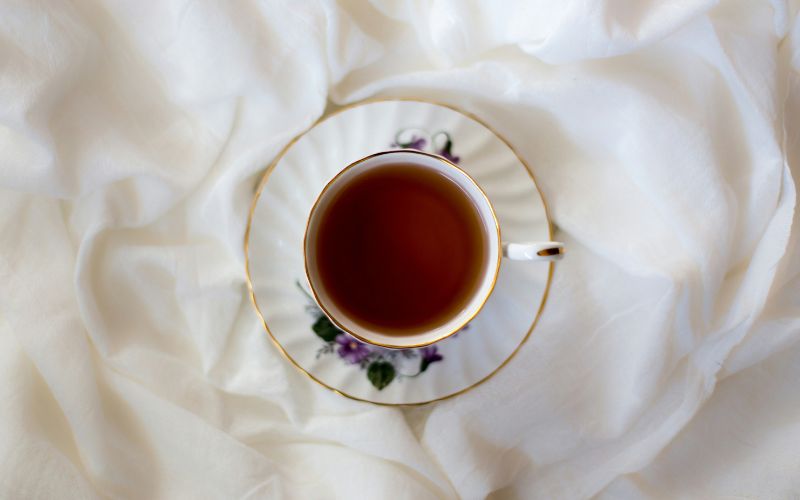
Black tea is a fully oxidized tea made from the leaves of the Camellia sinensis plant, giving it a dark color and bold, rich flavor. The oxidation process enhances its strength and aroma, making it one of the most popular tea types worldwide.
Many people ask, does black tea have caffeine, and the answer is yes. Compared to green or oolong tea, black tea typically contains more caffeine, which contributes to its energizing effect and distinctive strength.
Black tea is commonly enjoyed hot or iced and serves as the base for many popular drinks such as milk tea, iced tea, and breakfast blends.
Its versatility, strong flavor, and ability to pair well with milk and sweeteners make black tea a staple choice for both traditional and modern tea beverages.
2. Does Black Tea Have Caffeine In It?
Yes, black tea contains caffeine. The amount can vary, but generally, it has around 40-70 mg of caffeine per 8-ounce (240ml) cup, depending on brewing time and tea type.
How much caffeine does black tea have is a common question for those looking to balance energy and daily intake. On average, a standard cup of black tea (around 220 ml) contains about 50 mg of caffeine.
But the exact amount can vary depending on the tea type, brewing time, and leaf quality.
Because of this balanced caffeine level, black tea offers a smoother, more sustained energy boost without the intensity often associated with coffee. It can be a suitable option for those who want to stay alert while still enjoying a lighter, more relaxing beverage.
>>> You might be interested in: Does Oolong Tea Have Caffeine? A Clear Guide for Tea Lovers
3. What Affects Caffeine Levels in Black Tea?
If you’re wondering does black tea have caffeine, the answer depends partly on how it is grown and brewed.
Caffeine levels in black tea can vary more than most people expect, and by adjusting a few simple factors, you can easily control both the strength and energy boost in your cup.
Tea Leaf Type & Processing
When exploring does black tea have caffeine, it’s important to consider the type and grade of tea leaves used. Younger buds and smaller leaves naturally contain more caffeine than older, mature leaves.
In addition, fully oxidized black tea tends to deliver a stronger caffeine profile. Whole-leaf teas release caffeine more gradually, while broken or finely cut leaves, often found in tea bags, extract more quickly and produce a stronger initial effect.
Brewing Time
Steeping time has a direct impact on caffeine extraction. A shorter brew results in a lighter, milder cup, while extending the steeping time to around 4–5 minutes increases both flavor intensity and caffeine levels.
Adjusting brew time is one of the easiest ways to control how strong your tea feels.
Water Temperature
Many tea drinkers ask, does black tea have caffeine, and the brewing temperature can significantly affect the answer.
Hotter water speeds up the release of caffeine from tea leaves. Using near-boiling water helps extract more caffeine quickly, creating a stronger brew.
Slightly lower temperatures can reduce caffeine extraction while still preserving a smooth flavor, making temperature a useful tool for adjusting intensity.
Tea Quantity (Leaf-to-Water Ratio)
The amount of tea you use plays a major role in caffeine concentration. Adding more tea leaves or multiple tea bags increases the total caffeine in your cup.
A higher leaf-to-water ratio creates a bolder, more concentrated drink, so measuring carefully helps maintain balance.
Tea Origin & Variety
The question does black tea have caffeine often comes up when comparing tea varieties.
For example, Assam teas are typically stronger and higher in caffeine, while Darjeeling teas are lighter and more delicate with slightly lower caffeine content. Choosing the right origin can influence both taste and energy level.
Tea Bags vs. Loose Leaf
Tea bags often contain smaller particles that release caffeine quickly during brewing, resulting in a stronger and faster extraction.
Loose-leaf tea, on the other hand, uses larger leaves that release caffeine more gradually, giving you better control over both flavor and caffeine strength.
4. Who Should Limit Black Tea?
While many tea drinkers wonder does black tea have caffeine, its caffeine content is one reason black tea, though widely enjoyed and generally safe for daily consumption, may not be suitable for everyone in large amounts.
Depending on individual health conditions and caffeine sensitivity, some people may need to limit their intake.
Pregnant Women
Pregnant women should monitor caffeine intake carefully. High caffeine consumption may increase the risk of complications, so limiting black tea helps maintain safer daily caffeine levels and supports overall maternal and fetal health during pregnancy.
People Sensitive to Caffeine
Individuals with caffeine sensitivity may experience jitteriness, rapid heartbeat, or anxiety after drinking black tea. Even moderate amounts can trigger discomfort, so reducing intake or choosing lower-caffeine options is often recommended.
Those with Sleep Issues
Drinking black tea, especially in the afternoon or evening, can interfere with sleep quality. Its caffeine content may make it harder to fall asleep or stay asleep, so limiting intake later in the day can support better rest.
People with Heart Conditions
Caffeine can temporarily raise heart rate and blood pressure. For individuals with certain heart conditions, excessive black tea consumption may worsen symptoms, making it important to consume it in moderation or consult a healthcare professional.
Individuals with Iron Deficiency
Black tea contains compounds that can reduce iron absorption from food. People with iron deficiency or anemia should avoid drinking tea around meals to help maintain better iron levels and support overall health.
>>> Also read: Does Twisted Tea Have Caffeine? 4+ Facts For Tea Lovers
5. FAQs about Black Tea and Caffeine
Many tea drinkers still wonder, does black tea have caffeine? Below are answers to some of the most frequently asked questions about black tea and its caffeine content.
Does black tea have more caffeine than coffee?
No, black tea contains less caffeine than coffee in most cases. A typical cup of black tea provides around 40 – 70 mg, while coffee often delivers nearly double (90 – 120 mg). This makes black tea a milder option for steady energy without an intense caffeine spike.
Can you drink black tea every day?
Yes, drinking black tea daily is generally safe for healthy adults. Moderate intake can even support hydration and provide antioxidants beneficial to overall wellness. However, it is important to monitor total caffeine consumption based on your personal tolerance.
How many cups of black tea are safe?
Most people can safely enjoy about 3 to 4 cups of black tea per day. This amount keeps caffeine intake within recommended limits for adults. Individual sensitivity may vary, so adjusting your intake based on how your body responds is essential.
Does green or black tea have more caffeine?
Black tea usually contains more caffeine than green tea due to its full oxidation process. Green tea is lighter and typically delivers a lower caffeine dose per cup. Choosing between black tea and green tea depends on your preference for flavor, strength, and desired energy level.
6. Final Words
Exploring does black tea have caffeine gives you a clearer way to enjoy tea without second-guessing your choices. It offers a gentle lift that feels more balanced than many other caffeinated drinks.
By adjusting how and when you drink it, you can easily fit it into your daily rhythm. With TeaKoe, discovering well-crafted black tea becomes a simple pleasure worth savoring.