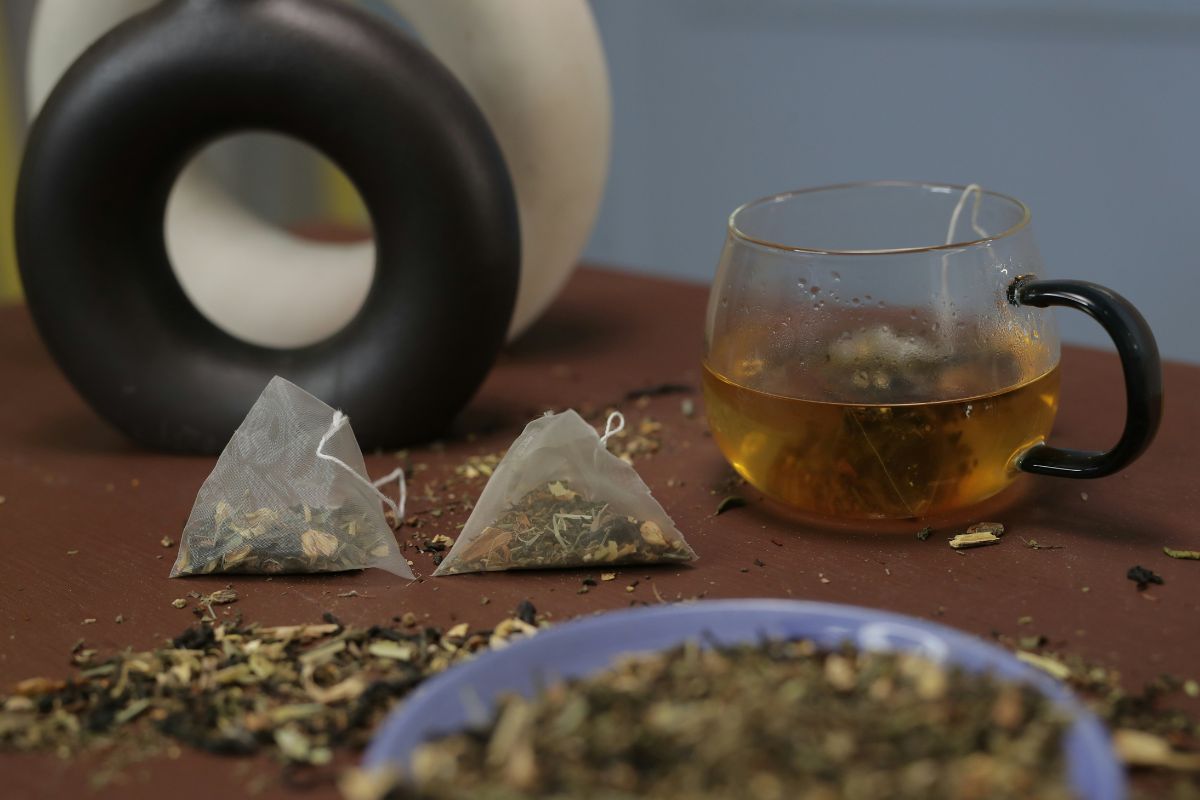

Oolong tea offers a flavor experience that sits somewhere between green tea and black tea, making it one of the most complex and versatile teas to explore. If you’ve ever wondered what does oolong tea taste like, the answer depends on how it’s processed, where it’s grown, and the level of oxidation used during production.
In this expert tasting guide, we’ll break down the flavor profiles of oolong tea, what influences its taste, and what you can expect from your first sip.
1. What Does Oolong Tea Taste Like?
Oolong tea offers a wide spectrum of flavors that shift depending on oxidation and processing methods. Understanding these differences helps you better appreciate what oolong tea tastes like across various styles.
Light Oolong (Green-like)
Light oolong teas deliver fresh, floral notes with hints of orchid, butter, and a soft sweetness. Their taste feels smooth and refreshing, often compared to green tea but with more depth and a lingering, creamy finish.
Dark Oolong (Closer to Black Tea)
Dark oolong teas bring richer, roasted flavors with notes of caramel, toasted nuts, and subtle smokiness like black tea. The body is fuller and warmer, creating a deeper, more complex profile that resembles black tea but remains smoother.
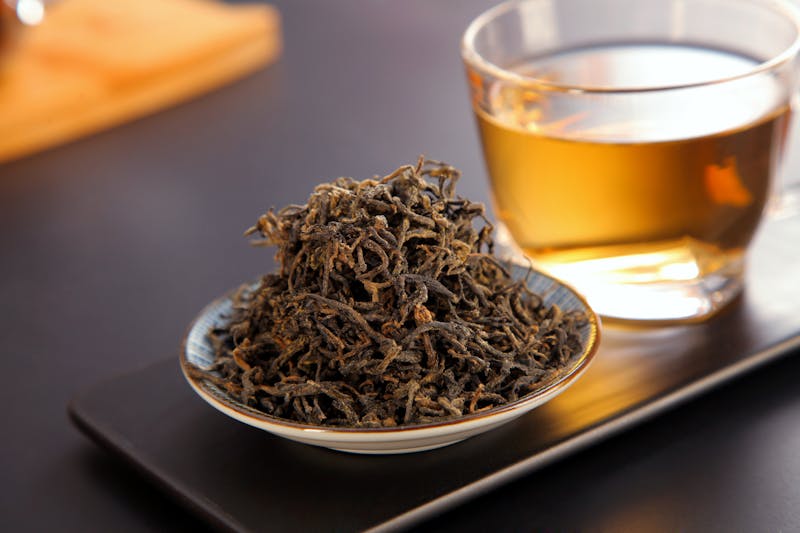
2. What Affects the Taste of Oolong Tea?
What does oolong tea taste like is influenced by several factors that shape its aroma, body, and finish.
Looking closely at these elements helps you understand the overall flavor profile and why each cup can vary depending on growing conditions, processing methods, and brewing techniques.
Oxidation Level
Oxidation determines how much the tea leaves interact with oxygen during processing, directly influencing flavor depth.
- Lower oxidation keeps the profile light, bringing out floral notes, gentle sweetness, and a soft, creamy finish that feels smooth on the palate.
- Higher oxidation creates darker tones, often introducing roasted, woody, or slightly fruity notes.
This shift gives the tea a fuller body and longer aftertaste, making oxidation one of the most defining elements in overall flavor development.
Tea Leaf Origin
Growing conditions such as altitude, soil quality, and climate all affect how oolong tea develops its natural flavor.
- High-mountain teas often produce cleaner, more delicate profiles with floral aromas and a refined sweetness that lingers.
- Lower-elevation teas may develop stronger, bolder flavors with a more noticeable body.
These regional differences help explain what does oolong tea taste like across different varieties, allowing tea drinkers to experience subtle changes in flavor depending on where the leaves are cultivated.
Roasting and Processing
Roasting enhances the character of oolong tea by adding warmth and depth to the flavor profile. Light roasting preserves fresh, green notes, while heavier roasting introduces layers of caramel, nuts, or even hints of chocolate.
Processing techniques such as rolling and drying also influence how flavors are released during brewing. Skilled craftsmanship ensures balance, helping the tea maintain smoothness while highlighting its most appealing characteristics.
Brewing Method
Brewing technique plays a key role in shaping what does oolong tea taste like, even when using the same tea leaves. Water temperature, steeping time, and tea quantity can all influence the intensity and balance of flavors.
Using water that is too hot or steeping for too long may create bitterness, while shorter, controlled brews help maintain clarity and smoothness. Adjusting these variables allows you to customize the taste to match your personal preference.
>>> Read more: Does Oolong Tea Have Caffeine? A Clear Guide for Tea Lovers
3. How to Brew Oolong Tea for the Best Flavor
Brewing oolong tea correctly brings out its full aroma, texture, and layered flavor notes. Small adjustments in temperature, timing, and technique can completely transform the final cup, helping you better understand what does oolong tea taste like in its best form.
- Start with high-quality loose-leaf oolong rather than tea bags
Whole leaves expand during brewing and release more complex flavors, giving you a smoother and more aromatic cup.
- Use about 2-3 grams of tea per 200-250 ml of water for a balanced flavor
This ratio helps avoid a weak or overly strong brew and ensures consistent results each time.
- Aim for water between 85°C and 96°C (185-205°F), depending on the type of oolong
Lighter oolongs work better with slightly cooler water, while darker ones can handle higher heat.
- Quickly pour hot water over the leaves and discard them after a few seconds
This step helps the leaves open up and removes impurities, allowing better flavor extraction in the main brew.
- Let the tea steep for about 2-5 minutes, depending on preference and oxidation level
Shorter steeping gives lighter, floral notes, while longer steeping produces a stronger and deeper profile.
- Oolong tea can be brewed multiple times, often 2-4 infusions or more
Each steep reveals new layers of flavor, making the experience more dynamic and enjoyable.
- Pour the tea once it reaches your desired strength to prevent bitterness
You can fine-tune future brews by adjusting time, temperature, or leaf quantity based on your preference.
4. Who is most Likely to enjoy Oolong Tea?
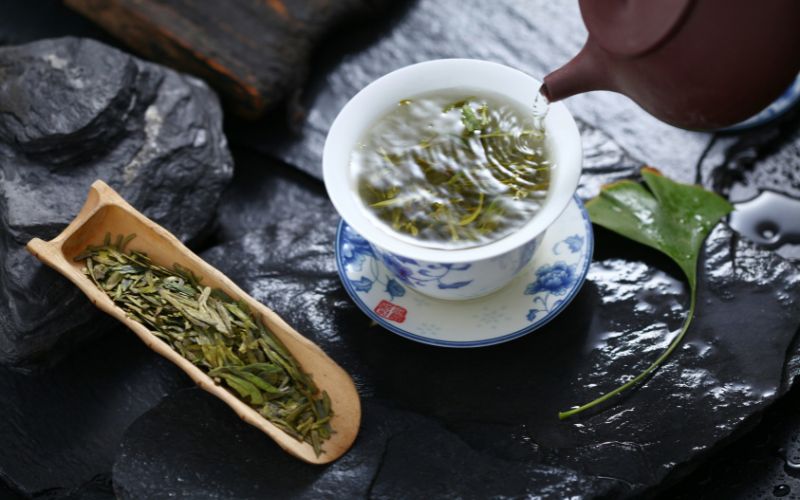
Oolong tea appeals to a wide range of drinkers thanks to its balanced flavor and versatility.
For anyone wondering what does oolong tea taste like, its flexibility is part of the appeal, making it especially attractive to those looking for something complex yet approachable.
Tea Drinkers Exploring Beyond Green or Black Tea
Those who feel limited by the sharpness of black tea or the lightness of green tea often find oolong to be a perfect middle ground.
Its flavor can range from fresh and floral to rich and roasted, offering more variety without overwhelming the palate. This makes it a great choice for anyone ready to explore more complex tea profiles while still enjoying a smooth and approachable experience.
People Who Enjoy Layered and Complex Flavors
Oolong tea is ideal for those who appreciate depth in their drinks, similar to how some people enjoy wine or specialty coffee. Each sip can reveal different notes such as floral, creamy, nutty, or roasted tones, depending on the type.
This layered character is a big part of what does oolong tea taste like, creating a more engaging tasting experience for those who enjoy discovering subtle flavor changes with every brew.
Health-Conscious Individuals
Many people choose oolong tea as part of a balanced lifestyle due to its natural origin and moderate caffeine content. It offers a satisfying alternative to sugary beverages while still delivering flavor and warmth. For those trying to reduce processed drinks or manage daily intake, oolong provides a clean and refreshing option that fits easily into a mindful routine.
Busy Individuals Seeking a Versatile Drink
One reason people often ask what does oolong tea taste like is because it works well in so many different settings. It can be enjoyed hot during a quiet moment or served iced as a refreshing drink throughout the day, making it easy to fit into any routine.
Its flexibility makes it convenient for people with busy schedules who want a reliable beverage that adapts to their routine. With the ability to re-steep leaves multiple times, it also adds value and convenience without requiring extra effort.
5. FAQs about Milk Tea Flavor
Still wondering what does oolong tea taste like? These frequently asked questions cover common flavor profiles, ingredients, and what to expect from your first sip.
What does Oolong Milk tea taste like?
Oolong milk tea delivers a smooth and balanced profile, combining the tea’s natural depth with a creamy texture. Light oolong creates a floral, slightly sweet drink, while darker oolong adds roasted and nutty notes for a richer experience. The result feels mellow, well-rounded, and less heavy than typical milk tea made with strong black tea.
What does Almond Oolong tea taste like?
Almond oolong tea brings a subtle nutty aroma that blends gently with the tea’s natural flavors. The combination often highlights warm, toasty notes with a hint of sweetness, creating a comforting and slightly creamy impression even without added milk. This pairing enhances the tea’s body while keeping the overall taste smooth and refined.
What does Peach Oolong tea taste like?
Peach oolong tea offers a bright, fruity profile layered over a soft tea base. The natural sweetness of the peach complements the floral notes of the lighter oolong, creating a refreshing and slightly juicy taste. This combination feels light, aromatic, and easy to enjoy, especially as a chilled drink on warm days.
6. Final Words
Exploring what does oolong tea taste like opens the door to a wide range of flavors, from light floral notes to deeper roasted tones. Each brewing method and tea variety reveals a slightly different character, making every cup feel unique and worth discovering.
For those ready to go further, TeaKoe offers curated selections and expert guidance to elevate your journey. Start tasting and find the oolong profile that truly matches your preference.