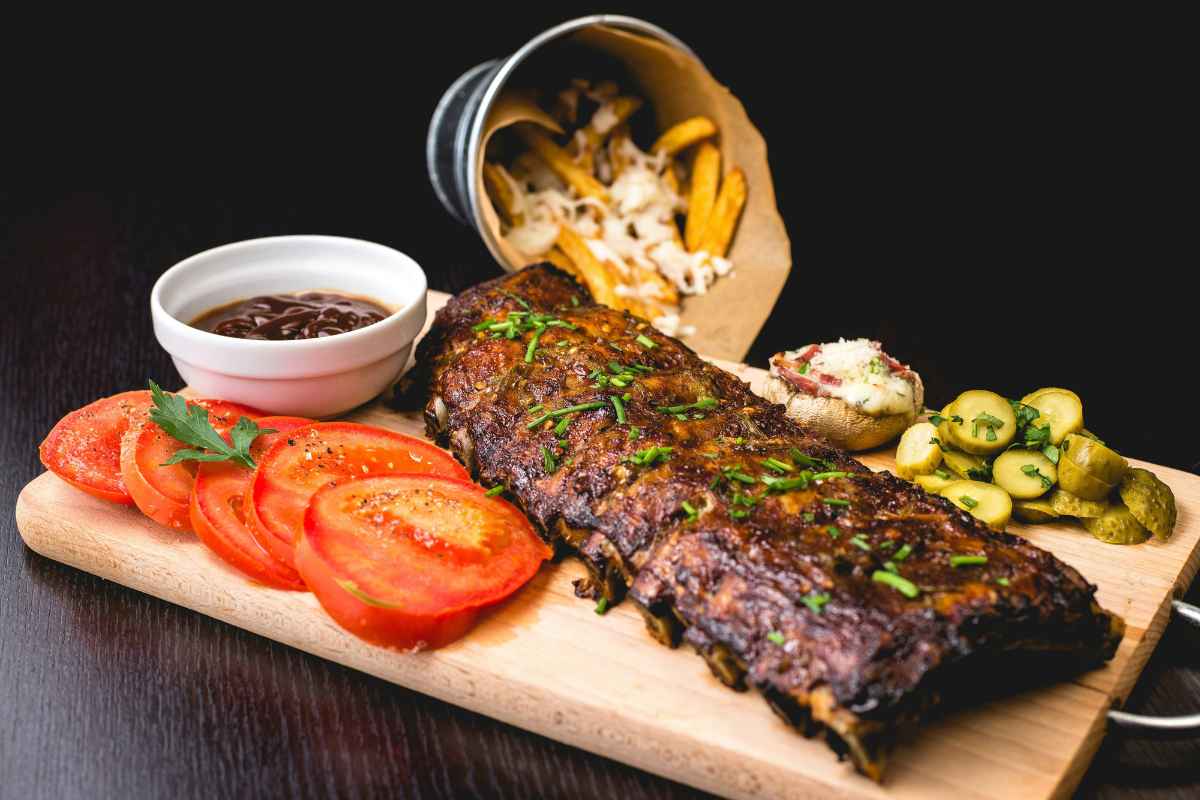

Reheating ribs is less about cooking them again and more about bringing back the moisture and tenderness they had the first time. The best approach to how to reheat ribs in the oven uses moderate heat, a little added liquid, and foil to protect the meat as it warms.
Done carefully, the center heats through without leaving the edges dry or chewy. TeaKoe walks through the process step by step.
1. Why Is the Oven the Best Choice for Reheating Leftover Ribs?
Oven reheating gives you more control over temperature and moisture than faster methods.
- Low, steady heat reduces the chance of drying the meat before the center warms through. When reheating leftovers in the oven, USDA recommends setting the oven to at least 325°F (163°C).
- Foil traps moisture around the ribs, helping them stay tender instead of becoming tough.
- Large racks fit easily in a baking dish, making the oven practical for several servings.
- Sauce and glaze warm more evenly without scorching as quickly as they might over direct heat.
- A short uncovered finish can restore caramelization and surface texture after the meat is fully heated.
2. How to Reheat Ribs in the Oven Step-by-Step
Slow reheating works best because ribs need enough time to warm through without losing their natural juices. These steps for how to reheat ribs in the oven focus on low heat, light moisture, and a covered baking environment.
Step 1: Preheat the Oven to 250-275°F
Set the oven to 250-275°F and allow it to preheat fully. This lower range warms the meat gradually, giving thicker ribs enough time to heat through without making the edges dry or tough.
Step 2: Place the Ribs in a Baking Dish
Arrange the ribs in a baking dish with the meaty side facing upward. Keep them in a single layer whenever possible so the heat reaches each piece evenly and the sauce does not collect excessively underneath.
Step 3: Add a Little Moisture
Pour a small amount of broth, water, apple juice, or another suitable liquid into the dish. Use just enough to create gentle steam while reheating, rather than soaking the ribs or diluting their seasoning.
Step 4: Cover Tightly With Foil
Seal the baking dish tightly with foil before placing it in the oven. Trapped steam helps prevent moisture loss and creates a gentler environment around the meat, which is especially useful for thicker or leaner ribs.
Step 5: Reheat Slowly
Warm the ribs for about 20-30 minutes, depending on thickness and portion size. Check near the lower end of the range and continue only as needed until the center is thoroughly hot.
Step 6: Uncover for the Final Few Minutes
Remove the foil during the final few minutes if you want the surface to regain a little texture. Brush on extra barbecue sauce if desired, then let the heat set the glaze without overcooking the meat.
3. What Temperature Delivers the Most Tender Reheated Ribs?
Lower oven temperatures give ribs more time to warm evenly while limiting moisture loss.
250°F: Best for Maximum Control
Reheating at 250°F is the gentlest option and gives thick ribs plenty of time to warm without drying around the edges.
275°F: Best Middle Ground
Using 275°F offers a useful balance between speed and tenderness. The ribs still warm slowly enough to retain moisture, but the process moves a little faster than at 250°F.
What About 300°F or Higher?
Higher temperatures can work when time is limited, but they increase the risk of dry meat and overly dark sauce. If you use 300°F or above, keep the ribs covered for most of the reheating time and check them more frequently.
4. What Liquids Should Be Added to Ribs Before Reheating?
Moisture helps keep leftover ribs tender while they warm, but too much can dilute the sauce or soften the exterior. For how to reheat ribs in the oven, choose a small amount of liquid that complements the seasoning already on the meat.
Broth
Beef, chicken, or pork broth brings extra moisture along with a mild savory flavor. Pour only a small amount into the baking dish so gentle steam develops under the foil without leaving the ribs sitting in excess liquid.
Apple Juice
Mild sweetness from apple juice pairs especially well with pork ribs and barbecue seasoning. Use a light splash to support smoky or tangy flavors while helping the meat stay moist throughout reheating without making the finished dish taste overly sweet.
Water
Plain water works well when you want to preserve the original seasoning exactly as it is. Add only a few tablespoons to the bottom of the dish, which is usually enough to create steam and reduce moisture loss under the foil.
>>> Read ore: How Long to Reheat Ribs in Oven at 250°F Without Drying Them Out
5. Whole Rack or Individual Ribs: Which Reheats Better?
Whole racks generally retain moisture more effectively because less cut surface is exposed to hot air. Individual ribs reheat faster, but they also lose moisture more quickly and require closer attention to avoid drying out.
| Factor | Whole Rack | Individual Ribs |
|---|---|---|
| Moisture Retention | Better because more meat remains protected | Lower because more surface area is exposed |
| Reheating Speed | Slower | Faster |
| Risk of Drying Out | Lower | Higher |
| Best Temperature | 250-275°F | 250-275°F with closer monitoring |
| Best For | Larger servings and maximum tenderness | Small portions and quicker meals |
| Sauce Retention | More even across the rack | May caramelize faster around exposed edges |
6. Final Thoughts
Good leftover ribs should come out warm and juicy, not dry from a second round of cooking. The trick to how to reheat ribs in the oven is creating a moist, covered environment first, then uncovering them briefly at the end to refresh the exterior.
Keep the heat gentle and give thicker portions enough time to warm through. Explore TeaKoe for more practical ways to bring leftovers back to life.