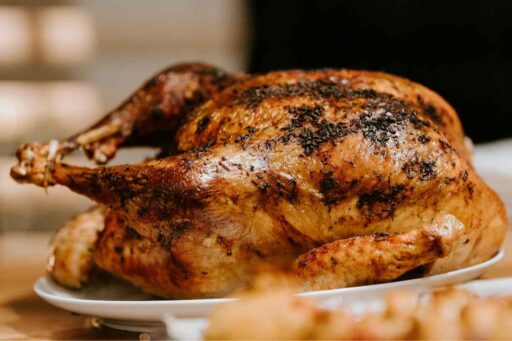
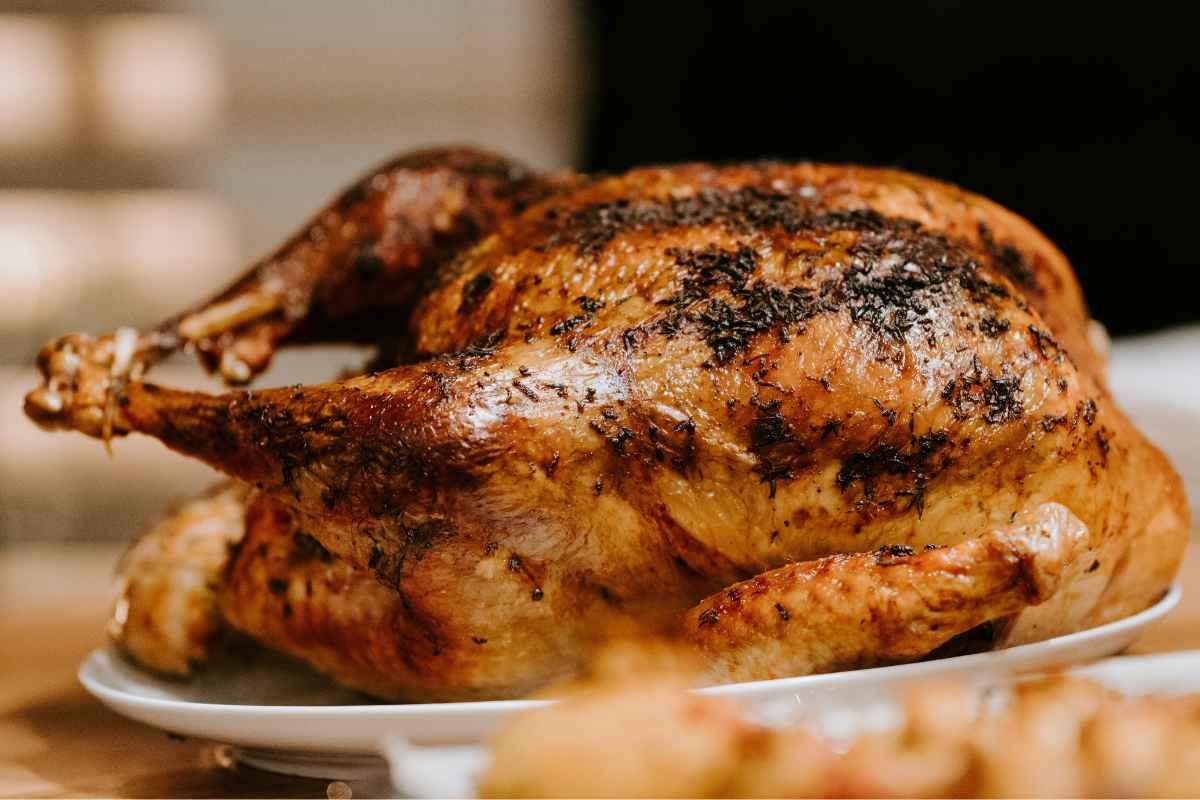

Roasted turkey can easily lose its tenderness when reheated, especially if the meat is exposed to high heat for too long. Preserving moisture while warming each portion evenly is the key to enjoying leftovers that still taste fresh and flavorful.
This TeaKoe guide on how to reheat turkey explores simple, effective methods that help keep the meat juicy, prevent dryness, and deliver satisfying results every time.
1. Why Is Leftover Turkey So Prone to Drying Out?
Cooked turkey has already lost some of its natural moisture during the first round of roasting, so reheating can push it toward dryness surprisingly quickly.
- Naturally Lean Meat: Turkey breast contains relatively little fat, which means it has less built-in protection against moisture loss. Once reheated too aggressively, the meat can become dry and tough quickly.
- Excessive Reheating Time: Leaving turkey under heat longer than necessary continues to drive moisture out of the meat. Thin slices are especially vulnerable because they warm through much faster than larger pieces.
- Temperatures That Are Too High: Intense heat may warm the outside rapidly while drying it out before the center reaches the desired temperature. Lower, gentler heat generally gives you more control.
- Reheating Without Added Moisture: Turkey placed in the oven uncovered and without broth, stock, gravy, or another source of moisture can dry out as steam escapes during heating.
- Uneven Portion Sizes: Mixing thick chunks with thin slices often leads to inconsistent results. Smaller pieces may become overcooked by the time larger portions are heated through, leaving part of the batch noticeably drier.
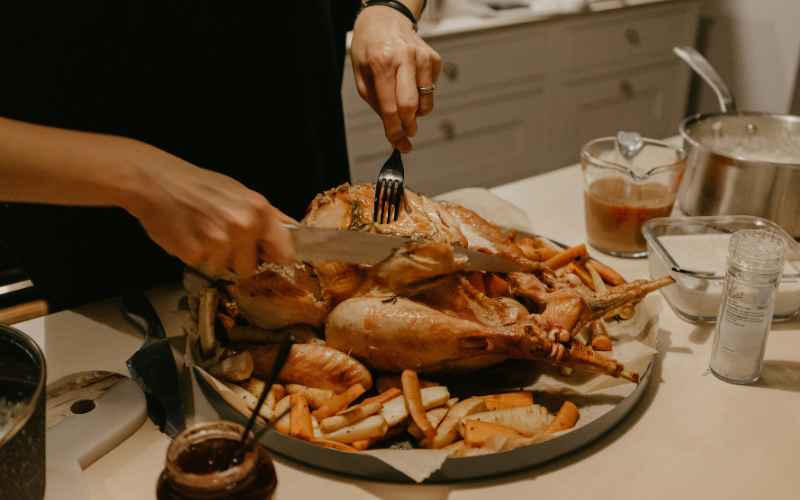
2. How to Reheat Turkey in the Oven (Best for Large Portions)
The oven is one of the most dependable methods for reheating larger amounts of turkey because it warms the meat gradually and evenly.
Step 1. Prepare the Baking Dish
Preheat the oven to around 300°F to 325°F while you arrange the turkey in an oven-safe baking dish.
Spread the meat in an even layer rather than stacking thick piles, as this allows heat to reach each piece more consistently and reduces the risk of some portions overheating before others are ready.
Step 2. Add Broth or Gravy
Pour a small amount of turkey or chicken broth around the meat to replace moisture lost during the original cooking and storage process.
Gravy can also work well, especially when reheating sliced turkey, because it adds both moisture and flavor. Avoid adding too much liquid, which can make the meat overly soft.
Step 3. Cover with Foil
Cover the baking dish tightly with aluminum foil before placing it in the oven. The foil helps trap steam inside the dish, creating a moist environment that protects the turkey from direct dry heat.
Step 4. Bake Until Heated Through
Place the covered dish in the preheated oven and warm the turkey until it is heated evenly throughout. Reheating time will vary depending on portion size and thickness, so check the meat periodically instead of relying only on the clock.
For food safety, you can check the USDA safe food temperature chart to ensure leftovers reach an internal temperature of 165°F.
Step 5. Rest Before Serving
Remove the baking dish from the oven once the turkey is thoroughly heated, but keep it covered for a few minutes before serving.
This brief resting period allows heat and moisture to distribute more evenly throughout the meat, helping each serving stay tender rather than losing steam immediately after the foil is removed.
3. Other Ways to Reheat Turkey
The oven may be ideal for larger portions, but it is not always the most convenient choice for every situation.
Depending on the amount of turkey, its texture, and how quickly you need it ready, several other methods can deliver satisfying results while helping the meat retain moisture.
Air Fryer (Best for Crispy Skin)
An air fryer works particularly well for turkey pieces with skin because circulating hot air can restore crispness without requiring a full-size oven.
Preheat the air fryer to around 325°F, arrange the turkey in a single layer, and lightly brush or spray the surface with oil if needed. Heat for a few minutes, turning larger pieces halfway through.
Microwave (Fastest Option)
Microwaving is the most convenient method when reheating one or two servings in a hurry. Place sliced turkey on a microwave-safe plate, add a splash of broth or gravy, and cover loosely with a microwave-safe lid or damp paper towel to trap moisture.
Heat at medium power in short 30-second intervals, checking between each round. Lower power and shorter heating cycles reduce the risk of tough, rubbery edges while allowing the center to warm more evenly.
Stovetop (Best for Turkey with Gravy)
The stovetop is an excellent choice when leftover turkey is already combined with gravy or when you want to add extra moisture during reheating. Place the meat in a skillet or saucepan with enough gravy, broth, or stock to lightly coat the bottom.
Cover and warm over low to medium-low heat, stirring or turning the pieces occasionally. Gentle heat allows the turkey to absorb flavorful liquid while preventing the rapid moisture loss that often occurs with uncovered high-temperature reheating.
Slow Cooker (Perfect for Large Gatherings)
A slow cooker is useful when you need to keep a generous amount of turkey warm for guests without repeatedly reheating individual portions. Arrange sliced or shredded turkey inside, add a small amount of broth or gravy, and cover with the lid.
Warm on the low setting until heated through, then switch to the warm setting for serving. Avoid leaving the turkey heating longer than necessary, as extended cooking can eventually soften the texture and reduce its overall quality.
>>> Read More: How to Reheat Fried Chicken in Oven and Bring Back the Crunch
4. Simple Tricks that Make a Big Difference to Keep Turkey Moist
Small adjustments can dramatically improve the texture of reheated turkey, especially when working with lean breast meat or thin slices.
- Add a Little Liquid: Pour a small amount of turkey broth, chicken stock, or gravy around the meat before reheating.
- Cover the Turkey: Use aluminum foil, a lid, or a microwave-safe cover depending on the reheating method.
- Keep the Heat Moderate: Gentle temperatures allow turkey to warm gradually without losing moisture too quickly.
- Slice Pieces Evenly: Similar-sized slices or chunks heat at roughly the same rate.
- Reheat Only What You Need: Repeated heating and cooling can gradually reduce both moisture and texture quality.
- Check Frequently: Avoid relying solely on a fixed reheating time. Monitor the turkey closely and remove it from the heat once it is thoroughly warmed to prevent unnecessary moisture loss.
- Let It Rest Briefly: Allow the turkey to sit covered for a few minutes after reheating.
5. Answers to Common Turkey Reheating Questions
Reheating turkey well involves more than simply making the meat hot again; moisture, temperature, and food safety all matter.
Should turkey be covered while reheating?
Yes, covering turkey is generally recommended because it helps trap steam and reduce moisture loss. A foil, a lid, or a microwave-safe cover can keep the meat from drying out while it warms.
Can you reheat turkey twice?
It is generally better to reheat only the portion you plan to eat rather than repeatedly warming and cooling the same turkey. Repeated reheating can reduce quality and may increase food-safety risks if the meat is not cooled, stored, and reheated each time properly.
How do you keep leftover turkey moist?
Add a small amount of broth, stock, gravy, or cooking juices before reheating, and keep the turkey covered whenever possible. Using moderate heat and stopping once the meat is thoroughly warmed also helps prevent unnecessary moisture loss.
Is reheated turkey safe to eat?
Reheated turkey can be safe when leftovers have been refrigerated promptly, stored properly, and reheated thoroughly. For best safety, heat leftovers to an internal temperature of 165°F and avoid eating turkey that has been left at unsafe temperatures for extended periods.
6. Final Words
Leftover turkey can stay tender and flavorful when you combine gentle heat with enough moisture and avoid reheating it longer than necessary.
With the right approach, yesterday’s turkey can still be enjoyable today. Turn to TeaKoe for more practical guidance on how to reheat turkey and make the most of every leftover serving.