
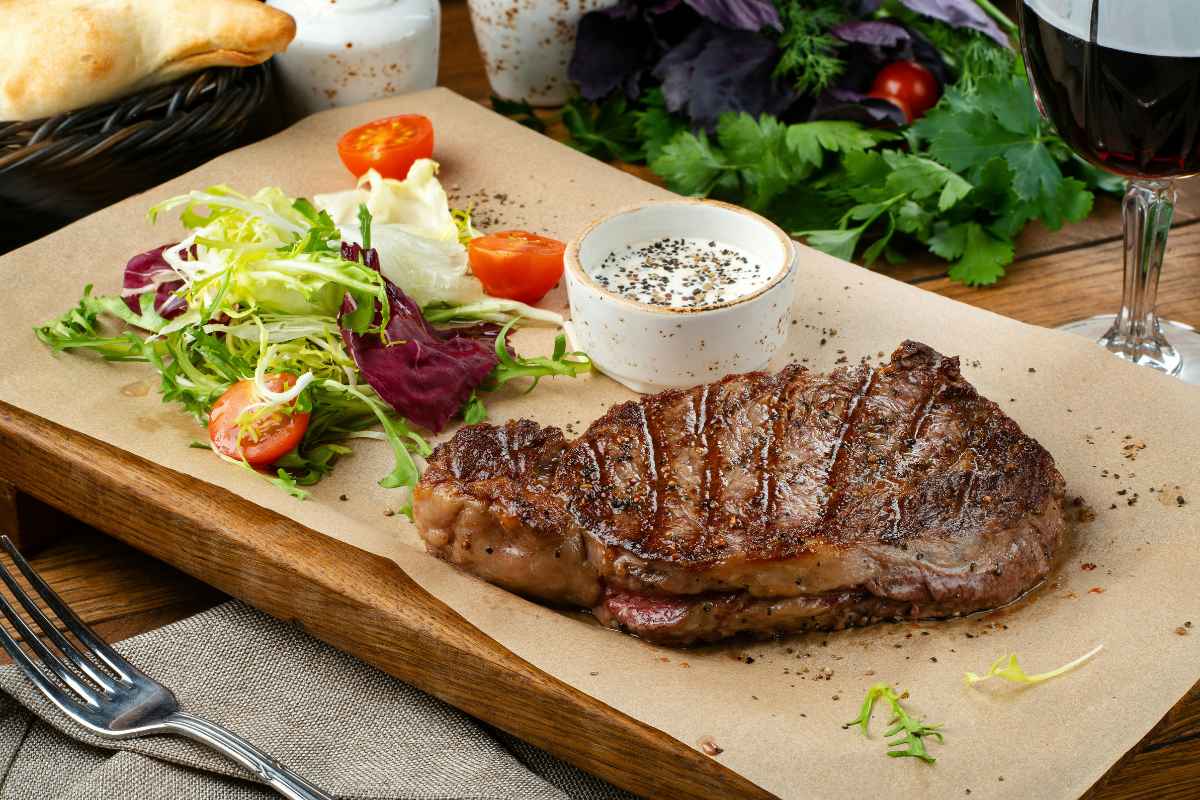

Steak can easily become dry or overcooked when reheated with too much heat, so choosing a gentle method is key to preserving its original texture. The oven offers steady, even warmth that helps bring leftovers back to an enjoyable temperature without sacrificing tenderness.
For a clearer approach to how to reheat steak in oven, refer to the TeaKoe guide below for practical steps, helpful tips, and better reheating results.
1. Why Is the Oven the Secret to Better Leftover Steak?
Leftover steak needs gentle, controlled heat to regain warmth without losing the tenderness that made it enjoyable in the first place.
The oven stands out because it offers a slower, more even approach than many high-heat alternatives.
- Gentle, Even Heating: Low oven temperatures warm the steak gradually from edge to center, reducing the risk of an overheated exterior and a cold middle.
- Better Temperature Control: The oven provides more consistent heat, making it easier to monitor the steak and stop reheating before it becomes overcooked.
- Helps Preserve Juiciness: Slow reheating gives the meat less exposure to sudden, intense heat that can quickly drive out moisture and leave the steak dry.
- Works Well for Thick Cuts: Larger steaks benefit from steady oven heat because the center has enough time to warm without burning or toughening the outer layers.
- Easy to Finish with a Sear: Once warmed through, the steak can be briefly seared in a hot skillet to refresh the crust while keeping the interior tender and flavorful.
2. How to Reheat Steak in Oven (Step-by-Step)
Reheating steak in the oven works best when you focus on gradual warming rather than speed.
Step 1. Let the Steak Sit at Room Temperature
Take the steak out of the refrigerator and let it rest for about 15 to 20 minutes before reheating.
Removing some of the chill helps the meat warm more evenly in the oven, reducing the chance that the outside becomes too hot before the center reaches a pleasant serving temperature.
Step 2. Preheat the Oven
Set the oven to a low temperature, around 250°F, and allow it to preheat fully before adding the steak.
Gentle heat gives you better control over the reheating process and lowers the risk of pushing the meat beyond its original level of doneness.
Step 3. Place the Steak on a Wire Rack
Set the steak on a wire rack positioned over a baking sheet. This setup allows warm air to circulate around both sides of the meat, helping it reheat more evenly without sitting directly against a hot pan that could overcook the bottom surface.
Step 4. Heat Slowly Until Warm
Transfer the steak to the oven and warm it gradually until the center reaches your preferred serving temperature.
Reheating time will vary with thickness, but thicker cuts generally need more time.
Check early and use an instant-read thermometer to follow the official USDA safe food temperature chart to ensure it reaches a safe internal temperature without overheating the meat.
Step 5. Finish with a Quick Sear (Optional but Recommended)
For a better exterior crust, heat a skillet over high heat with a small amount of oil and sear the warmed steak briefly on each side.
Keep this step short, usually about 30 to 60 seconds per side, so the surface browns without significantly increasing the steak’s internal temperature.
3. Should You Finish Steak in a Skillet?
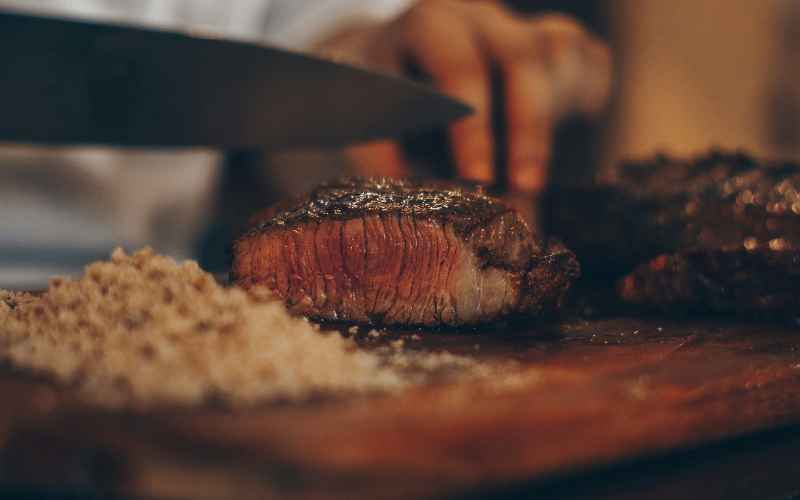
Yes, finishing steak entirely in a skillet can work very well for thinner cuts measuring about 1 inch or less. The direct heat helps create a flavorful crust while warming the center quickly enough to avoid excessive cooking.
Thicker steaks usually benefit from a different approach. Sear the exterior in a hot skillet first, then transfer the steak to a 375°F to 400°F oven so the center can finish heating without burning the crust.
>>> Read More: How to Reheat Steak in Air Fryer Without Sacrificing Quality
4. Other Ways to Reheat Steak
The oven is a dependable choice for gently warming steak, but other methods can be useful when speed, convenience, or texture matters more.
Each alternative offers different advantages and requires careful timing to keep the meat from becoming dry or overcooked.
| Method | Best For | Approximate Time | Main Advantage | What to Watch For |
|---|---|---|---|---|
| Air Fryer | Small or medium steak portions | 3-6 minutes | Circulating heat warms quickly and can refresh the exterior | High heat can dry out thinner cuts |
| Stovetop | Thin steaks or sliced steak | 2-5 minutes | Fast reheating with easy temperature control | Prolonged direct heat may overcook the meat |
| Microwave | Quick meals and small portions | 30 seconds-2 minutes | Fastest and most convenient option | Use short intervals to prevent uneven heating and toughness |
| Sous Vide | Thick steaks and precise reheating | 30-0 minutes | Gentle water-bath heating helps preserve doneness and moisture | Requires more time and specialized equipment |
5. Steak Reheating Questions Answered
Reheating steak often raises questions about temperature, moisture, and how to avoid cooking the meat beyond its original doneness.
What’s the best oven temperature for reheating steak?
Around 250°F is a good temperature for gently reheating steak in the oven. The lower heat allows the center to warm gradually and gives you more control than a hotter oven, which can overcook the exterior before the middle is ready.
Should steak be covered in the oven?
Steak does not always need to be covered during reheating, especially when placed on a wire rack for even airflow. Covering it loosely can help reduce moisture loss, but too much trapped steam may soften the exterior.
Is it better to finish steak in a skillet?
Yes, a quick skillet finish can improve the crust after the steak has been gently warmed. Keep the sear brief and use high heat so the exterior browns without significantly raising the internal temperature.
Can leftover steak be reheated twice?
It is generally better to reheat only the portion you plan to eat rather than repeatedly warming and cooling the same steak.
Multiple reheating cycles can reduce quality and increase food-safety concerns if the meat is not cooled and stored properly between servings.
6. Final Words
Reheating steak successfully comes down to gentle heat, careful timing, and avoiding unnecessary overcooking. Choosing the right temperature and monitoring the steak closely can make leftovers far more enjoyable.
With the right approach, even refrigerated steak can return to the table with impressive texture and flavor. Explore TeaKoe for more practical guidance on how to reheat steak in oven and other useful kitchen tips.