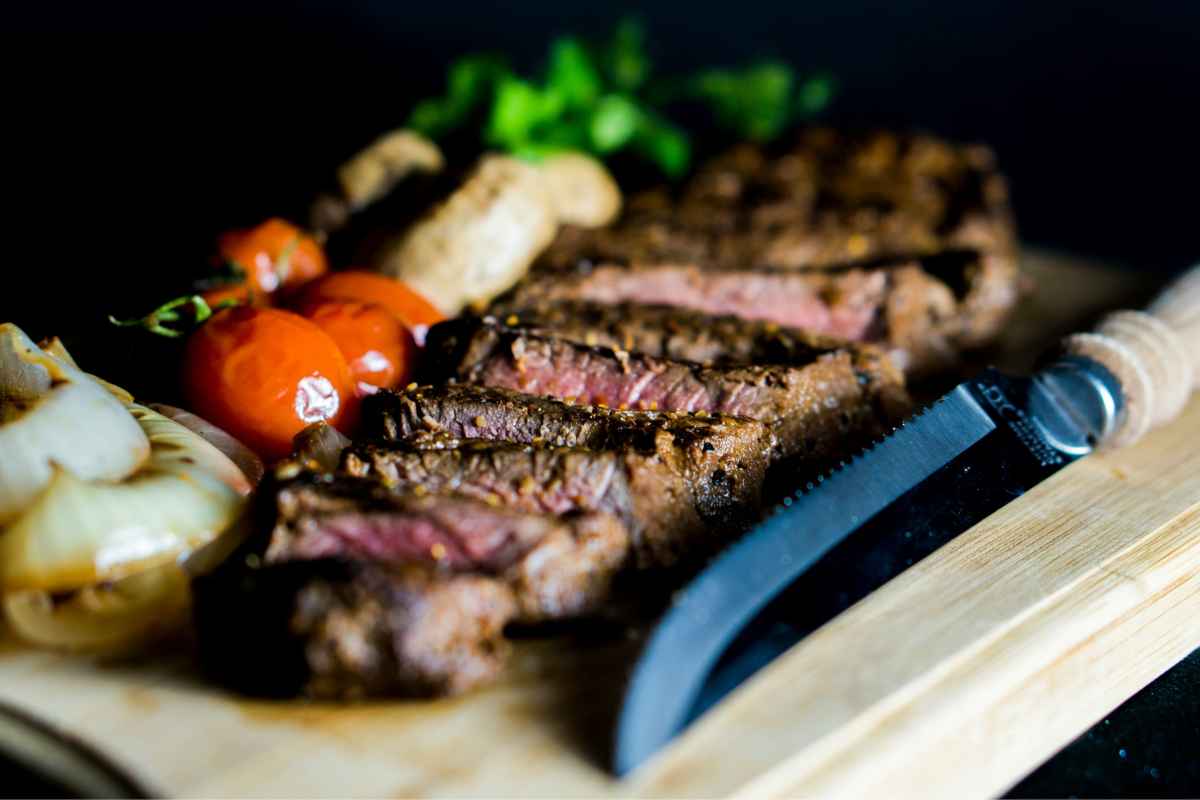

Cold steak can easily turn dry or lose its original doneness when reheated with too much heat. Learning how to reheat steak without overcooking helps bring back warmth while preserving tenderness, moisture, and the flavorful seared exterior.
Steak thickness, storage condition, and cooking method all influence the final result. Refer to the TeaKoe guide below for more practical reheating techniques and steak-care tips.
1. Why Leftover Steak Is So Easy to Overcook
Steak has already gone through one full cooking cycle, so reheating gives you very little room for error.
- Residual cooking continues: Even after the heat source is removed, the steak can keep cooking briefly as heat moves toward the center.
- Thin cuts heat too quickly: Smaller or thinner steaks warm fast, making it easier for the interior to overshoot the desired doneness before you notice.
- High heat dries the surface: Strong direct heat can tighten muscle fibers, reduce moisture, and leave the outside tough before the middle is evenly warm.
- Uneven temperatures create hot spots: Microwaves and very hot pans can heat certain areas faster than others.
- Too much reheating time changes texture: Leaving steak under heat for only a little too long can turn a tender leftover into something firmer, drier, and less juicy than the original meal.
2. How to Reheat Steak Without Overcooking It
Gentle reheating gives steak the best chance of staying tender while bringing the center back to a pleasant serving temperature.
- Let the steak lose some chill: Remove it from the refrigerator shortly before reheating so the center does not start extremely cold.
- Use low, steady heat: Warm the steak slowly in a low oven, covered skillet, or another gentle method rather than exposing it immediately to high heat.
- Check the center early: Use a meat thermometer or frequent temperature checks so the steak does not move far beyond its original doneness.
- Add moisture when needed: A small amount of broth, butter, or pan juices can help protect the surface from drying during reheating.
- Finish with a quick sear: For a better crust, briefly sear the warmed steak in a very hot pan for only a few seconds per side.
- Rest before serving: Let the steak sit briefly so the heat settles evenly through the meat before slicing.
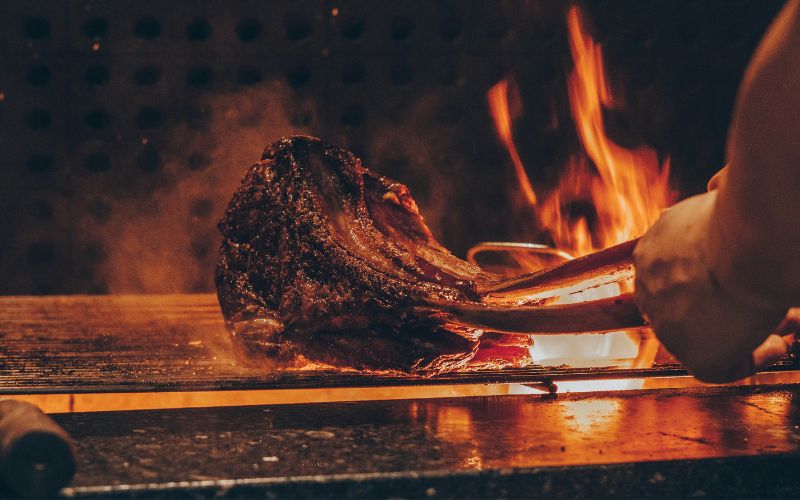
3. Rare, Medium, and Well-Done Steaks: Difference in Reheating
Steaks at different doneness levels should not be reheated with exactly the same intensity because each has a different margin before the texture changes.
Rare steak needs the gentlest approach, while well-done steak benefits from added moisture to prevent further drying.
| Steak Doneness | Reheating Approach | Heat Level | Main Goal |
|---|---|---|---|
| Rare | Warm slowly and remove from the heat early | Low | Preserve the cool-to-warm center without pushing it toward medium |
| Medium-Rare | Reheat gently, then use a very quick sear if needed | Low to medium | Keep the center pink while restoring exterior warmth |
| Medium | Use steady heat and monitor closely | Medium-low | Heat through without turning the center gray or dry |
| Medium-Well | Add a little moisture and avoid prolonged direct heat | Low to medium | Prevent the meat from becoming tough as it warms |
| Well done. | Use gentle covered heat with broth, butter, or pan juices | Low | Restore warmth while protecting the steak from losing even more moisture |
4. Small Habits That Keep Steak Restaurant-Quality
Paying attention to slicing, finishing fat, resting time, and reheating frequency helps protect both tenderness and flavor while preventing the steak from drying out.
Slice after reheating, not before
Keeping the steak whole during reheating helps it retain more moisture and slows heat penetration into the center. To reheat steak without overcooking, slice only after the meat is warm and rested, since thin pieces heat much faster and are easier to dry out.
Add butter at the end
Butter adds richness and helps the steak feel juicier, but adding it too early can expose the surface to unnecessary heat.
Finish with a small pat of butter after reheating or during a very quick final sear so it melts over the steak without extending the cooking time.
Never rush the resting time
Cutting immediately after reheating can release more juices onto the plate instead of keeping them within the meat.
Let the steak rest briefly so the temperature settles through the center, making each slice feel more tender and preventing the first cut from losing too much moisture.
Avoid repeated reheating
Every reheating cycle exposes the steak to additional heat, which gradually changes its doneness and removes moisture.
Warm only the portion you plan to eat, then keep the remaining steak refrigerated so it does not repeatedly move through heating and cooling cycles.
>>> Read More: How to Reheat Steak in Oven Without Overcooking It or Losing Flavor
5. Questions about Reheating Steak Without Overcooking
Temperature control, steak thickness, and storage time all influence how well leftovers hold onto their original texture.
Can medium-rare steak be reheated without losing its doneness?
Yes, but it needs very gentle heat and close monitoring. Warm it slowly, remove it before the center gets too hot, then use a brief sear only if you want to refresh the crust.
Should steak come to room temperature before reheating?
Letting the steak sit out briefly can reduce the temperature gap between the cold center and hot exterior, but it does not need to fully reach room temperature.
Can sliced steak be reheated the same way as a whole steak?
Sliced steak reheats much faster than a whole piece, so the same timing can easily dry it out. Use lower heat and shorter intervals, and check frequently to preserve tenderness.
How long can cooked steak stay in the refrigerator?
Cooked steak is generally best used within 3 to 4 days when refrigerated promptly and stored properly. Follow standard leftover safety guidelines, keep it in a sealed container or tightly wrapped, and discard it if there are clear signs of spoilage.
Can steak be reheated more than once?
It is better to reheat only the portion you plan to eat. Repeated heating can make steak progressively drier and tougher, while repeated temperature changes also increase food-safety concerns if leftovers are not handled properly.
6. Final Thoughts
Reheating steak successfully comes down to controlled heat, careful timing, and protecting the meat from unnecessary moisture loss. TeaKoe offers practical kitchen guidance for making leftovers taste closer to their first serving.
Mastering how to reheat steak without overcooking helps preserve tenderness, juiciness, and doneness while bringing back the rich flavor and satisfying texture of a freshly cooked steak.