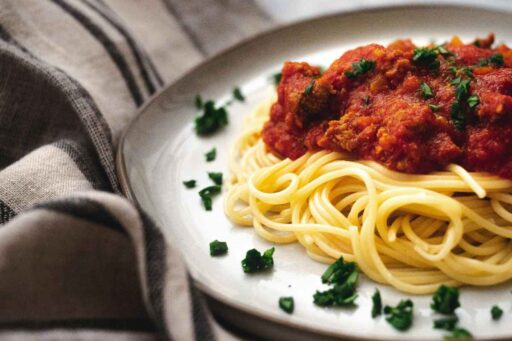
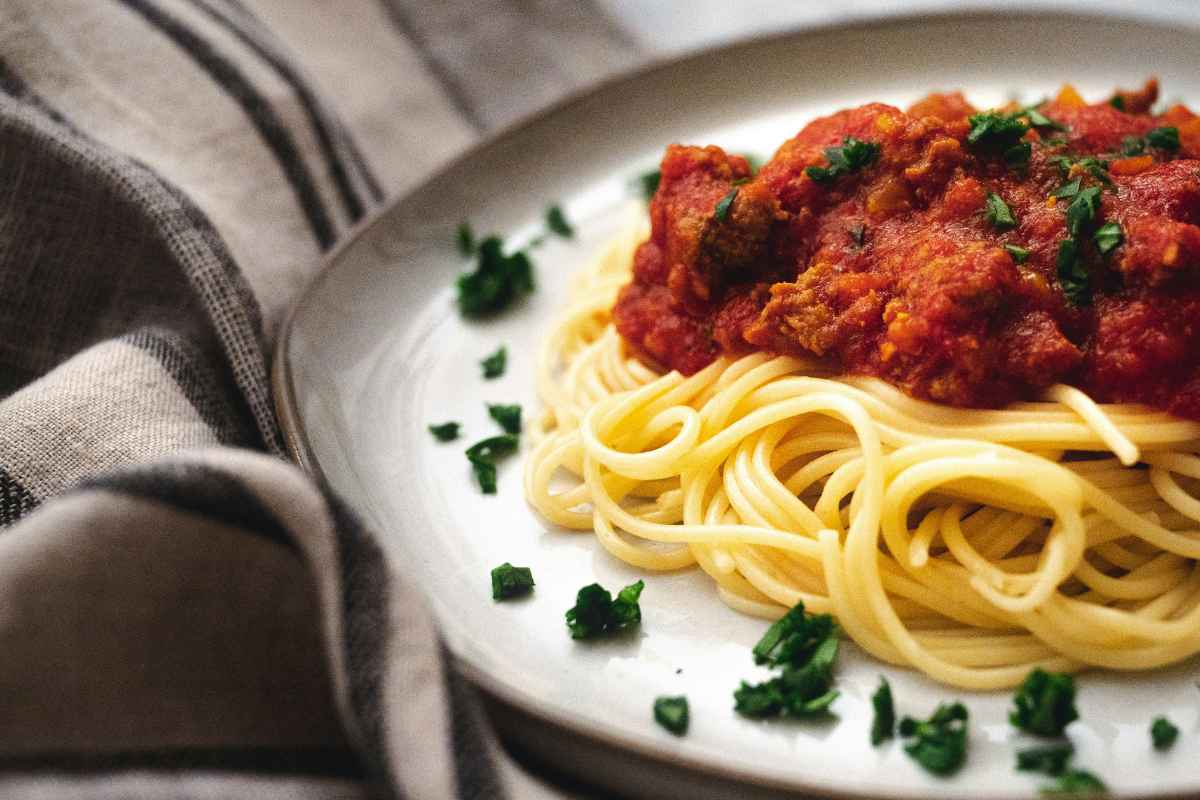

Spaghetti can turn dry, sticky, or unevenly warm after refrigeration, especially when the noodles and sauce lose moisture at different rates. Learning how to reheat spaghetti helps revive a softer texture while warming the sauce more evenly without making the pasta mushy.
Sauce type, portion size, storage method, and added moisture all shape the result. Refer to the TeaKoe guide below for more practical reheating methods and pasta-saving tips.
1. Should You Separate the Pasta and Sauce First?
Usually, it is better to keep the spaghetti and sauce together rather than reheating them separately. Gently warm the pasta in the sauce with a small splash of water to loosen the noodles and restore moisture.
Stir gradually so the sauce coats the spaghetti evenly, helping prevent dry strands, cold pockets, or an overly thick texture.
2. How to Reheat Spaghetti
Good reheating should restore softness without turning the noodles mushy or leaving the sauce thick and uneven. A few small adjustments can help the pasta warm more consistently while bringing back a fresher texture.
- Loosen the noodles: Gently separate any clumped strands before reheating so heat can move through the pasta more evenly. Avoid pulling too aggressively, especially if the noodles are already soft.
- Bring back moisture: Add a small splash of water, broth, or extra sauce if the pasta looks dry. Stir gently so the added moisture coats the noodles instead of collecting at the bottom.
- Heat evenly: Use moderate heat and stir occasionally to reduce cold spots and keep the sauce from sticking or scorching. Following standard leftover safety guidelines, ensuring the pasta is heated thoroughly throughout will keep it safe and enjoyable to eat.
- Finish with fresh cheese or herbs: Add grated cheese, basil, parsley, or another fresh garnish after reheating. These finishing touches can brighten the flavor and make leftover spaghetti feel less heavy or flat.
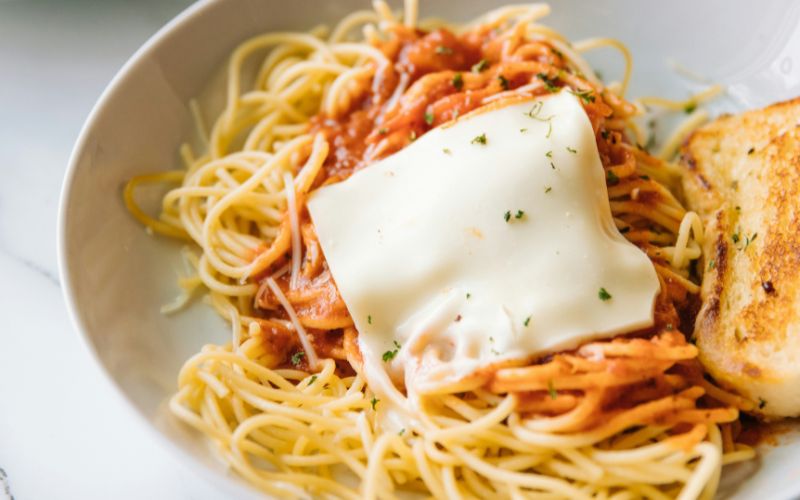
3. Tomato Sauce, Alfredo, and Meat Sauce Need Different Care
Sauce type changes how leftover spaghetti responds to heat because acidity, fat, dairy, and meat all affect moisture and texture differently. Matching the reheating method to the sauce helps keep the noodles coated evenly without making them dry, greasy, or separated.
| Sauce Type | Reheating Behavior | Best Approach | Main Risk |
|---|---|---|---|
| Tomato Sauce | Usually reheats well but can thicken as moisture evaporates. | Add a small splash of water or extra sauce, then stir over moderate heat. | Sauce may become overly concentrated or dry around the noodles. |
| Alfredo Sauce | Dairy and fat can separate when exposed to high heat. | Warm gently, stir often, and add a little milk or cream if needed. | Sauce may become oily, grainy, or too thick. |
| Meat Sauce | Dense meat pieces can warm more slowly than the noodles. | Reheat gradually and stir thoroughly so the meat and pasta reach a similar temperature. | Cold spots may remain in thicker portions of the sauce. |
4. Easy Fixes for Clumped or Dry Leftover Pasta
Dry or clumped spaghetti can usually be revived by reintroducing a little moisture and warming it in a way that loosens the starch without overcooking the noodles.
Stovetop Skillet Method (Best for Sauced Pasta)
A skillet works especially well for pasta that is already coated in sauce because it reheats gradually while letting you adjust moisture as needed.
- Place a nonstick skillet over medium heat.
- Add a small splash of water, extra sauce, or a little olive oil.
- Add the clumped pasta and let it warm briefly.
- Toss gently with tongs as the steam loosens the noodles and helps the sauce coat them again.
Hot Water Bath (Best for Plain, Un-sauced Pasta)
Plain noodles that have dried into a firm block can often be loosened quickly with hot water before reheating.
- Place the pasta in a strainer or colander.
- Pour hot water over the noodles for a short time.
- Gently separate the strands with a fork or tongs as they soften.
- Drain well before adding sauce or reheating further.
Microwave Steam Method (Best for Speed)
The microwave can work well when moisture is trapped around the pasta instead of being allowed to escape.
- Put the spaghetti in a microwave-safe bowl.
- Add a spoonful of water or extra sauce.
- Cover the bowl with a microwave-safe lid or a damp paper towel.
- Heat in short intervals, stirring between rounds until the noodles are loose and evenly warmed.
>>> Read More: How to Reheat Mac and Cheese and Keep It Rich and Creamy
5. Frequently Asked Questions About Reheating Spaghetti
Storage method, sauce type, and added moisture can all affect how well leftover spaghetti reheats.
Should spaghetti and sauce be reheated separately?
Usually, reheating them together works well because the sauce helps restore moisture to the noodles as they warm. Stir gently and add a small splash of water or extra sauce if the mixture seems too thick or dry.
Why do spaghetti noodles stick together after refrigeration?
As pasta cools, surface starch can cause the strands to cling together, especially if they were stored without enough sauce or oil. Gentle heat plus a little moisture usually helps loosen the noodles without tearing them.
Can meatballs be reheated with spaghetti?
Yes, meatballs can be reheated with spaghetti, but they may need more time than the noodles because they are thicker and denser. Stir or reposition them during reheating so the meatballs warm through without overcooking the pasta.
6. Final Thoughts
Great leftover spaghetti depends on restoring just enough moisture while warming the noodles and sauce at a steady pace.
Following how to reheat spaghetti properly helps loosen clumps, prevent dry strands, and bring tomato, Alfredo, or meat sauce back to a smoother texture. Finish with fresh herbs or cheese for extra flavor, and explore more practical reheating ideas with TeaKoe.