

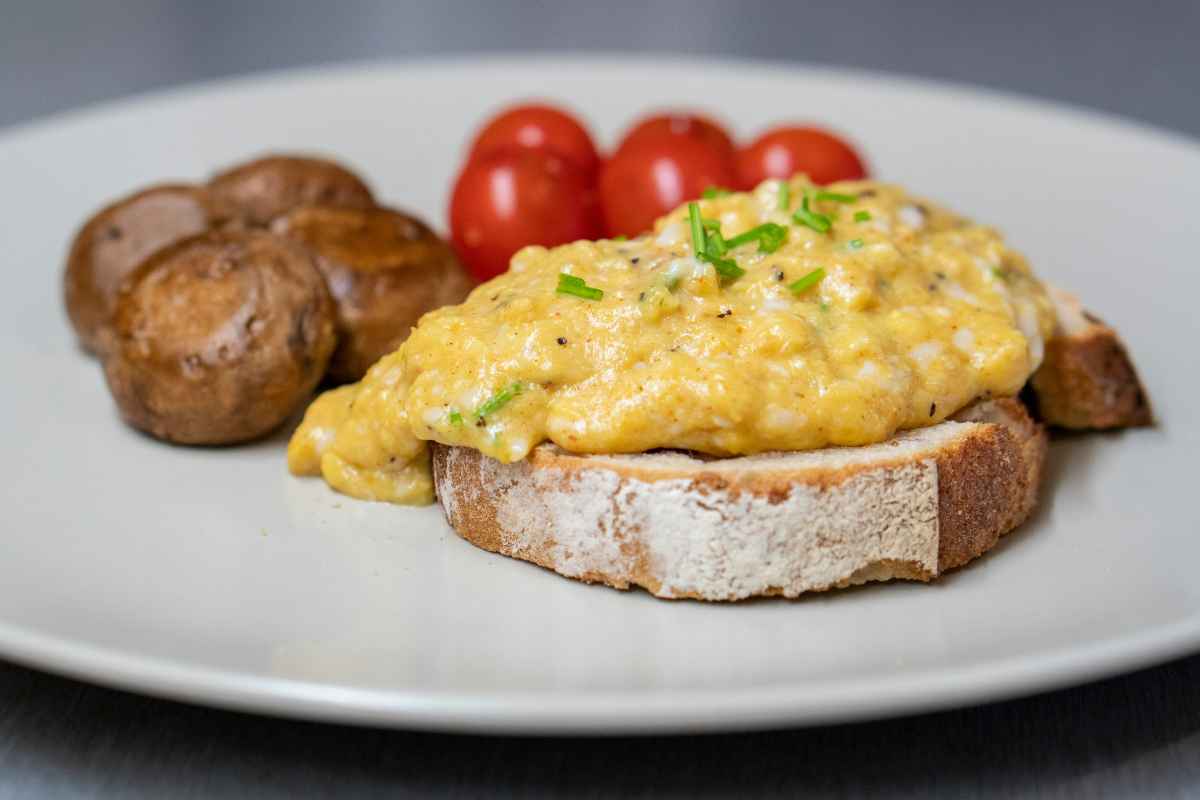

Cold scrambled eggs often lose the soft, creamy texture that made them appealing in the first place, but careful reheating can bring them surprisingly close to fresh. This guide explains how to reheat scrambled eggs with gentle heat, added moisture, and short cooking intervals that limit overcooking.
You can also explore TeaKoe’s related guides and articles for more practical ways to reheat breakfast favorites and everyday leftovers successfully.
1. Why Do Reheated Scrambled Eggs Turn Rubbery and Watery?
Scrambled eggs are especially sensitive to a second round of heat because their proteins have already been cooked once.
Texture problems usually come from excess temperature, moisture separation, or reheating for longer than necessary rather than from reheating itself.
Too Much Heat Tightens the Egg Proteins
Egg proteins continue tightening when exposed to high temperatures, pushing moisture out of the curds and creating a firmer texture.
When working out how to reheat scrambled eggs, gentle heat is essential because aggressive reheating can quickly turn previously tender eggs chewy or rubbery.
Reheating for Too Long
Even moderate heat becomes a problem when the eggs stay warm for longer than necessary. Once the center reaches serving temperature, continued heating removes additional moisture.
Short intervals make it easier to stop at the right moment instead of accidentally cooking the eggs all over again.
Moisture Separates During Storage
Cooked eggs can release some moisture while sitting in the refrigerator, especially when they contain milk, cream, vegetables, or other ingredients. That liquid may collect at the bottom of the container and make the eggs appear watery when reheated.
The Eggs Were Overcooked Originally
Scrambled eggs that were already firm or dry before refrigeration have very little moisture left to protect them during reheating.
A second exposure to heat exaggerates the problem, so slightly softer scrambled eggs generally hold up better as leftovers than heavily cooked ones.
Uneven Heating Creates Dry and Wet Spots
Microwaves and crowded pans can heat one area much faster than another. Some curds may become tough while others remain cool or watery.
Stirring or gently folding the eggs during reheating distributes heat more evenly and reduces these contrasting textures.
>>> Read More: How to Reheat Boiled Eggs Without Ruining the Texture
2. How to Reheat Scrambled Eggs?
How to reheat scrambled eggs? The best method depends on whether speed or texture matters most.
Microwave reheating works well for a single serving, while the stovetop gives you more control over temperature and lets you add moisture gradually.
Microwave: fastest for one serving
Microwaving is practical for busy mornings, but timing matters more than raw power. Scrambled eggs can turn rubbery very quickly in a microwave, so short bursts with stirring between each interval give you much better control over the final texture.
- Transfer the scrambled eggs to a microwave-safe bowl or plate and spread them into an even layer.
- Add a teaspoon of milk, cream, or a small piece of butter if the eggs already look dry.
- Cover loosely with a microwave-safe lid or damp paper towel to help retain moisture.
- Heat for 15 to 20 seconds at a time rather than running one long cycle.
- Stir gently after each interval so hotter portions mix with cooler areas.
- Reduce the microwave power slightly if your appliance tends to heat food aggressively.
- Continue only until the eggs are steaming and reach 165°F (74°C) throughout.
- Let them rest briefly before eating, since heat continues redistributing after the microwave stops.
Stovetop: better control over texture
Stovetop reheating takes a little more attention, but it makes temperature easier to control and lets you restore moisture as the eggs warm.
Lower heat is the priority because scrambled eggs can tighten almost immediately when placed in a very hot pan.
- Place a nonstick skillet over low heat and let it warm gently rather than becoming very hot.
- Add a small amount of butter, cream, or another suitable fat to create a little extra moisture.
- Add the refrigerated scrambled eggs and spread them loosely across the pan.
- Stir or fold slowly with a spatula rather than pressing or aggressively breaking the curds.
- Keep the heat low and move the pan off the burner briefly if the eggs begin sizzling or drying around the edges.
- Continue warming for roughly one to two minutes, depending on the quantity.
- Confirm that the eggs reach 165°F (74°C) before serving.
- Remove them immediately once hot so residual pan heat does not continue cooking the curds.
3. How Long Should You Reheat Scrambled Eggs?
Most scrambled eggs need about 60 to 90 seconds total in the microwave when heated in short intervals, or approximately 1 to 2 minutes over low heat on the stovetop.
Exact timing depends on portion size and appliance power, so use temperature rather than time alone and reheat leftovers to 165°F (74°C) throughout.
4. What Pro Tips for Reheating Scrambled Eggs That Still Taste Fresh?
Texture can improve noticeably when reheating is treated as gentle warming rather than another cooking session.
Small changes in moisture, portion size, temperature, and timing can help the curds stay softer while still reaching a safe serving temperature.
- Add just a little moisture: A teaspoon of milk, cream, or a small amount of butter can help dry eggs feel softer.
- Use short heating intervals: When practicing how to reheat scrambled eggs, frequent checks let you stop before the proteins tighten excessively. Research on heated egg proteins shows that temperature and prolonged heating can alter protein structure, increase hardness, and reduce water-holding capacity, supporting the use of controlled reheating to protect texture.
- Keep stovetop heat low: Use low heat, stir gently, and consider briefly lifting the pan from the burner when the eggs begin heating faster than expected.
- Reheat only what you plan to eat: Portion leftovers before warming them so the rest can remain refrigerated rather than repeatedly moving between cold and hot temperatures.
- Refresh the flavor after reheating: Add delicate toppings after reheating so they stay fresh instead of being exposed to unnecessary heat.
5. Final Thoughts
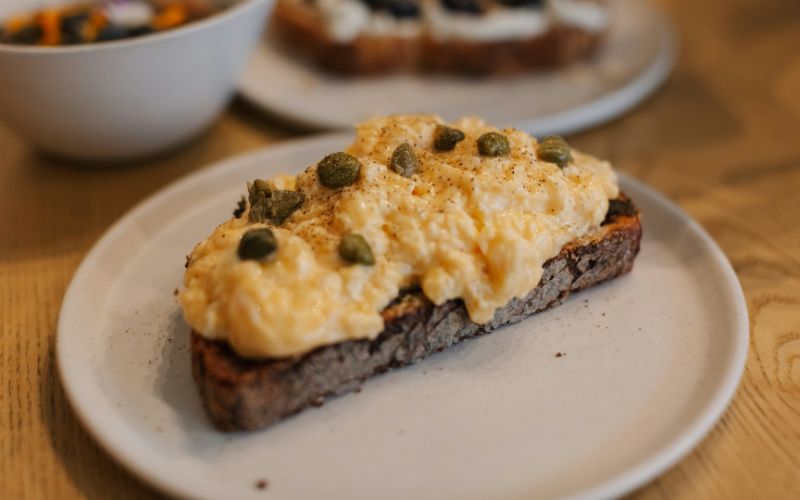
Scrambled eggs don’t have to become dry or rubbery the second time around. With the right approach to how to reheat scrambled eggs, you can preserve their soft curds and delicate texture by using gentle heat and stopping at just the right moment.
Small adjustments in timing and moisture can make yesterday’s breakfast surprisingly enjoyable again. For more smart ways to refresh everyday leftovers, you can explore TeaKoe’s practical kitchen guides.