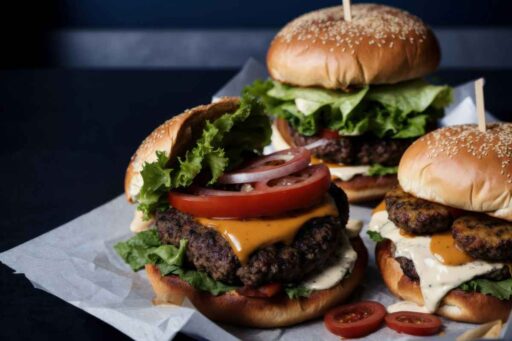
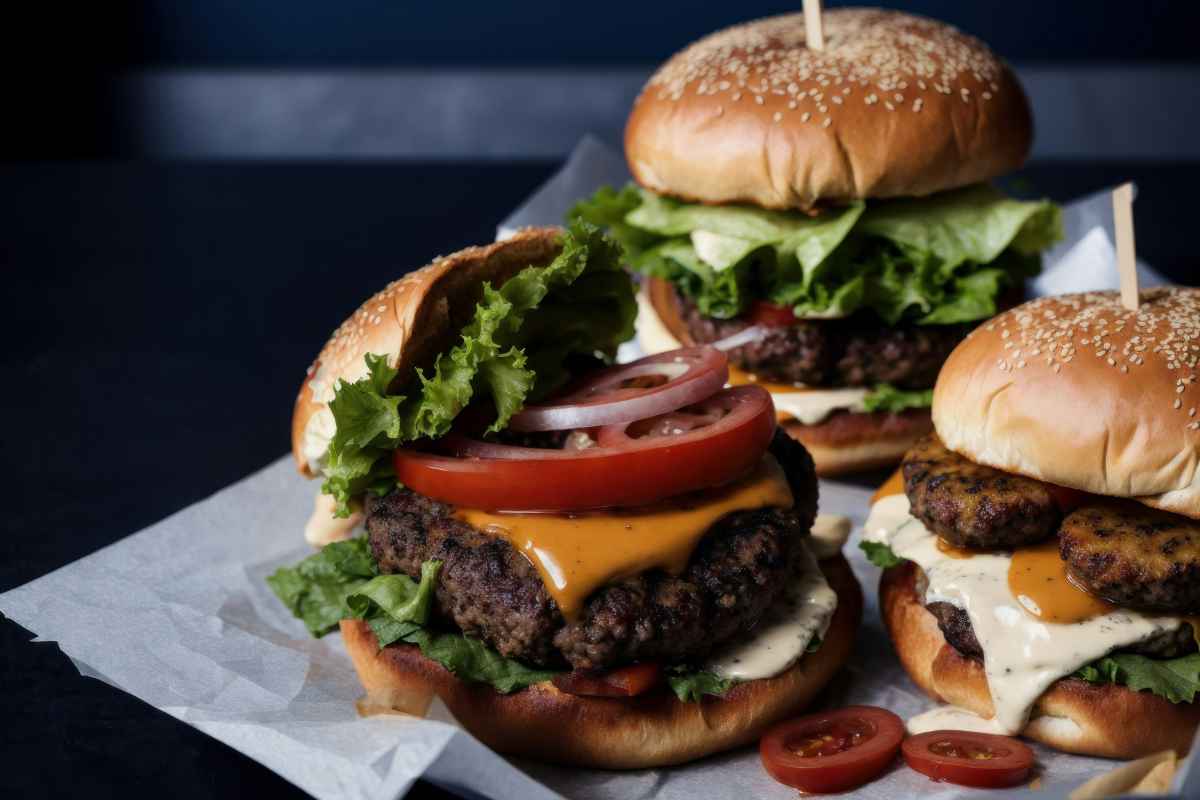

Leftover burgers are tricky because the patty, bun, cheese, sauce, and vegetables all respond differently to heat. This guide shows how to reheat burger leftovers without ending up with a dry patty or soggy bread.
You will also learn when to separate the components, which reheating method works best, and how to rescue soft buns. For more practical leftover advice, explore TeaKoe’s related guides and articles.
1. Which Reheating Method Works Best for Your Specific Burger?
The best method depends on whether you care most about speed, a juicy patty, or restoring texture to the bun.
Separating the burger first usually gives you more control because meat, bread, cheese, and fresh toppings need different amounts of heat.
| Method | Best For | Approximate Time | Main Advantage | Main Drawback |
|---|---|---|---|---|
| Stovetop | One or two patties | 5-8 minutes | Keeps the patty moist and lets you toast the bun separately | Requires more hands-on attention |
| Oven | Several burgers or thicker patties | 10-15 minutes | Reheats evenly and handles bun and patty separately | Takes longer to preheat |
| Toaster oven | One burger | 8-12 minutes | Good balance of speed and crispness | Limited space |
| Air fryer | Crisp edges and quick reheating | 4-7 minutes | Strong airflow restores texture quickly | Can dry the bun if left in too long |
| Microwave | Fastest option | 1-2 minutes | Convenient for a quick meal | Bun can become soft or rubbery |
2. How to Reheat Burger Leftovers on the Stovetop?
Stovetop reheating works especially well when you want the patty hot without drying it out. We recommend separating the burger first, then warming the patty with a small amount of water before toasting the bun in the same skillet.
Step 1: Take the Burger Apart
Separate the patty, bun, cheese, and fresh toppings before heating anything. Remove lettuce and other delicate vegetables so they stay cool and crisp. If the bun has absorbed a lot of sauce, gently scrape away excess moisture before reheating.
Step 2: Warm the Patty in a Skillet
Place the patty in a nonstick skillet over medium-low heat and add one or two tablespoons of water. Cover the pan with a lid so the steam warms the center without aggressively drying the meat.
Step 3: Flip and Check the Center
Turn the patty halfway through reheating so both sides warm evenly. Continue only until the center is thoroughly hot.
In accordance with official USDA food safety guidelines, check for a safe internal temperature of 165°F before serving to ensure the meat is completely safe to eat.
Step 4: Toast the Bun Separately
Remove the hot patty and let any remaining water evaporate from the skillet. Place the bun cut-side down in the dry pan and toast briefly.
Step 5: Reassemble the Burger
Return the patty to the bun and add cheese, sauce, pickles, onions, or other toppings. Add cold lettuce and tomatoes only after reheating so they retain their fresh texture rather than becoming warm and limp.
3. How to Reheat Burger in the Oven or Toaster Oven?
Oven reheating is useful when you have several burgers or want the patty and bun warmed more evenly. Separating the components also gives you enough control to crisp the bread without overcooking the meat.
Step 1: Preheat to 350°F
Set the oven or toaster oven to 350°F and let it heat fully. This moderate temperature gives the patty enough time to warm through while reducing the chance of burning the bun before the meat is ready.
Step 2: Separate the Burger Components
Remove fresh vegetables, excess sauce, and other toppings that should not be heated. Food Republic recommends separating the bun and patty because reheating the whole assembled burger can trap moisture and create soggy bread.
Step 3: Arrange on a Baking Sheet
Place the patty and bun halves on a wire rack set over a baking sheet, with the cut sides of the buns facing up. This improves airflow and is especially useful for how to reheat burger leftovers without leaving the underside damp.
Step 4: Heat and Flip the Patty
Warm everything at 350°F, flipping the patty halfway through. Remove the buns once they are warm and lightly toasted, even if the meat needs longer. Continue until the patty reaches 165°F in the center.
Step 5: Rebuild and Serve
Add the patty back to the toasted bun, then replace any fresh vegetables and sauces you set aside. If the original lettuce has become limp or watery, replacing it with fresh toppings can make the reheated burger taste noticeably better.
4. How to Fix a Burger That Has Already Gone Soggy?
Sogginess usually comes from trapped steam, juicy toppings, or sauce soaking into the bun during storage. The best fix is to separate the components and remove excess moisture before applying dry heat.
Learning how to reheat burger leftovers correctly ensures you restore the crispy bun and juicy patty without making the entire meal soggy.
Toast the Bun Separately
Pull the burger apart and toast the bun cut-side down in a dry skillet or toaster oven. This helps evaporate absorbed moisture and rebuild some surface crispness. Avoid reheating a wet bun together with the patty because more steam will make it softer.
Remove Wet Toppings
Discard lettuce that has become limp and blot excess moisture from tomatoes, onions, or pickles. We also recommends removing compromised vegetables before reheating. Fresh replacements can dramatically improve a leftover burger that otherwise feels heavy and soggy.
Reheat the Patty Without the Bun
Keep the meat separate until it is hot throughout. For how to reheat burger leftovers successfully, this prevents steam and rendered juices from soaking into the bread while the patty warms.
Reduce Excess Sauce
Too much mayonnaise, ketchup, dressing, or burger sauce can make refrigerated bread difficult to revive. Scrape away heavily soaked sauce, toast the bun, and add a fresh, smaller amount after reheating instead.
Replace a Bun That Is Beyond Saving
Some buns become so saturated that reheating only makes them chewy or brittle. If the bread remains unpleasant after toasting, use a fresh bun or another bread and focus on rescuing the patty and toppings instead.
5. Questions about Saving a Leftover Burger
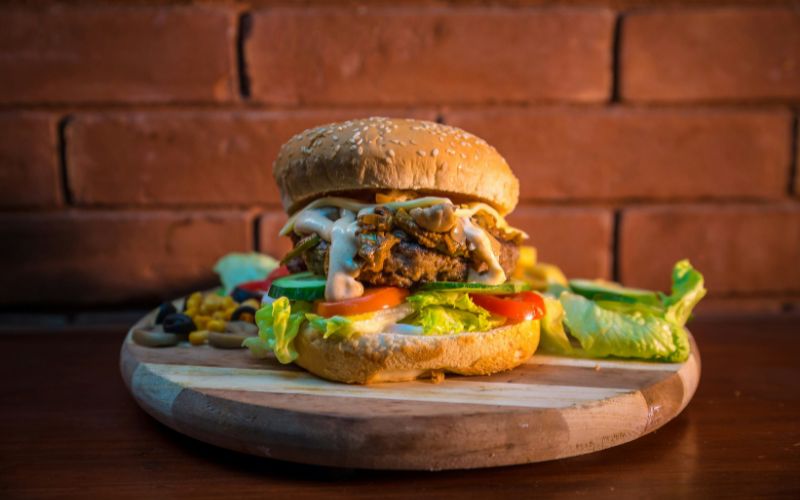
Burger leftovers improve considerably when each component is treated according to its texture rather than reheated as one unit.
Should you take a burger apart before reheating it?
Yes, whenever possible. Separating the patty, bun, and fresh toppings lets you heat the meat thoroughly while keeping the bread from steaming and vegetables from wilting.
How long should you reheat a burger in the oven?
At 350°F, many refrigerated burger patties need roughly 10 to 15 minutes, depending on thickness and starting temperature. Flip the patty halfway through and remove the bun earlier if it becomes warm and toasted before the meat is ready.
How do you reheat a fast-food burger?
Take it apart first and remove lettuce or other toppings that should stay cold. Reheat the patty in a skillet, oven, or air fryer, toast the bun separately, then rebuild the burger with fresh vegetables or sauce if the originals have lost their texture.
Can you reheat a burger with sauce on it?
You can, but heavy sauce often makes the bun soggy and can burn or separate under heat. Scrape off excess sauce before reheating, warm the patty and bun separately, and then add fresh sauce once everything is hot.
>>> Read More: How to Reheat Spaghetti Without Dry Noodles or Cold Sauce
6. Final Thoughts
A day-old burger doesn’t have to feel like a compromise. Once you know how to reheat burger leftovers properly, you can give the patty back its warmth and moisture while keeping the bun from turning soggy and the toppings from losing their freshness.
Treating each component separately before putting everything back together is a small effort with a noticeable payoff. Discover more simple ways to refresh leftover favorites with TeaKoe’s practical kitchen guides.