
Reheating leftover ribs sounds simple, yet small details can make a noticeable difference in their texture and flavor. If you’ve been searching for how long to reheat ribs in oven at 350, you’ll find that timing is only one factor.
The type of ribs, their size, and the reheating method all affect the final outcome. This guide walks you through everything you need to know so your leftover ribs come out hot, tender, and full of flavor instead of dry or overcooked.
1. How Long to Reheat Ribs in Oven at 350?
Most refrigerated ribs need 15 to 30 minutes in a 350°F oven. However, checking the meat is more reliable than following the clock alone.
The ribs should be steaming throughout and reach 165°F in the thickest section before serving, which is the temperature recommended by the USDA for reheated leftovers.
Baby Back Ribs
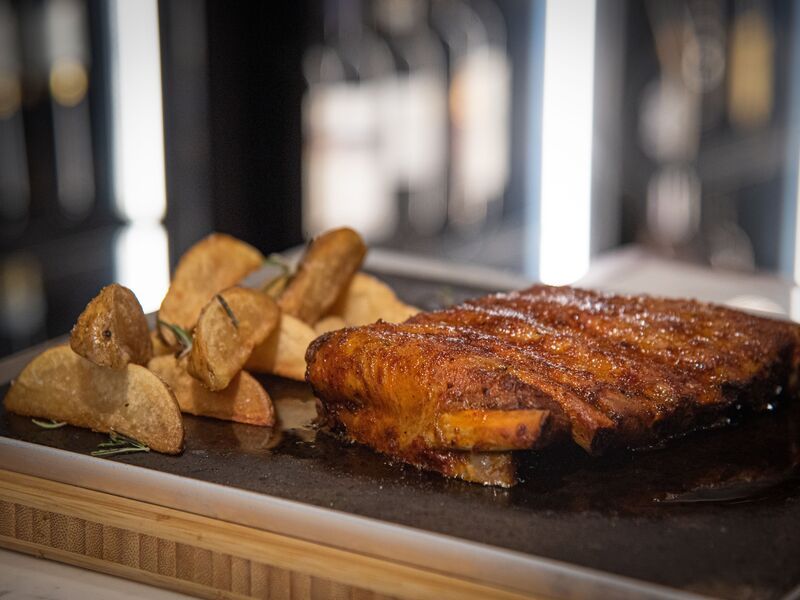
Baby back ribs are relatively small and lean, so they normally reheat in 15 to 20 minutes. Place them in a covered baking dish with a splash of broth, water, or apple juice. Check them early because their thinner meat can lose moisture quickly.
Spare Ribs
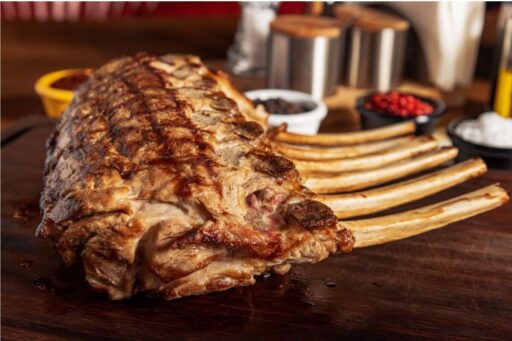
Spare ribs are larger and contain more fat and connective tissue. Refrigerated spare ribs generally require 20 to 30 minutes. A full rack may need closer to 30 minutes, while several separated ribs can become hot sooner.
Beef Ribs
Thick beef ribs often take 25 to 35 minutes. Their size makes it important to check the center rather than judging readiness from the hot surface. Turn the ribs once if they are packed closely together.
Boneless Country-Style Ribs
Boneless country-style ribs usually need 18 to 25 minutes. Arrange them with space between each piece so heat can circulate evenly. Extra-thick pieces may require several additional minutes.
2. How to Reheat Ribs in Oven at 350 Without Drying Them Out?
Learning how long to reheat ribs in oven at 350 is only part of the process. Proper preparation keeps the exterior from becoming tough before the center is warm.
Step 1: Preheat the Oven
Set the oven to 350°F and allow it to heat completely. Starting in a properly preheated oven gives the ribs more predictable and even reheating.
Step 2: Place the Ribs in a Baking Dish
Arrange the ribs in one layer inside an oven-safe dish. Avoid stacking them because the pieces in the middle may remain cool while the exposed ribs become dry.
Step 3: Add a Small Amount of Liquid
Pour one or two tablespoons of broth, water, apple juice, or diluted barbecue sauce around the ribs. Avoid soaking the meat; only a small amount is needed to create gentle steam.
Step 4: Cover Tightly with Foil
Seal the baking dish with aluminum foil. Covering leftovers helps retain moisture and allows heat to move through the food more evenly, according to USDA reheating guidance.
Step 5: Bake Until Heated Through
Bake the ribs according to their cut and thickness. During the final three to five minutes, remove the foil and brush on additional barbecue sauce if you want a slightly sticky surface.
Step 6: Rest Before Serving
Let the ribs sit for three to five minutes after removing them from the oven. This brief rest allows the heat and moisture to settle throughout the meat.
>>> Read More: How to Reheat Fried Chicken in Oven and Bring Back the Crunch?
3. Key Factors That Change Rib Reheating Times
Recommended cooking times are useful starting points, but several details can move the final timing in either direction.
Rib Thickness
Thick, meaty ribs warm more slowly than thin or heavily trimmed pieces. Check the largest rib first because it is likely to be the last one ready.
Bone-In vs. Boneless Ribs
Bones affect how heat moves through the meat. Bone-in racks often require more time than evenly sized boneless pieces, especially when the ribs remain attached.
Refrigerated vs. Frozen Ribs
Refrigerated ribs can go directly into the oven. Frozen cooked ribs should preferably be thawed in the refrigerator first. Reheating them from frozen may add 15 to 25 minutes and can produce uneven results.
Sauce-Coated vs. Dry-Rub Ribs
Sauced ribs tend to retain moisture, but sugary barbecue sauce can darken or burn. Keep them covered for most of the reheating time. Dry-rub ribs benefit from a small amount of liquid added beneath the foil.
4. How Can You Tell When the Ribs Are Ready?
Timing alone cannot confirm whether every part of a rack is thoroughly heated. Use the following checks before serving.
Check the Internal Temperature
Insert a food thermometer into the thickest part of the meat without pressing it against the bone. Reheated leftovers should reach 165°F, as listed in the FoodSafety.gov temperature chart.
Look for Evenly Heated Meat
The center should feel hot rather than lukewarm. Check ribs from different areas of the dish, particularly when reheating a whole rack or several large portions.
Test the Texture Without Overcooking
The meat should feel tender and moist, but it does not need to fall completely off the bone. Continuing to bake after it is hot can tighten the meat and dry its edges.
Warm the Sauce Before Serving
Cold barbecue sauce can lower the serving temperature. Warm extra sauce separately and spoon it over the ribs immediately before serving.
5. Mistakes That Make Reheated Ribs Tough and Dry
Even well-cooked ribs can become disappointing when they are reheated too aggressively.
Reheating at High Temperatures
Turning the oven above 400°F may heat the surface faster, but it also increases moisture loss. A moderate 350°F temperature provides a better balance between speed and tenderness.
Skipping the Foil Cover
Uncovered ribs lose steam throughout the process. Unless you only need to crisp the surface briefly, keep the baking dish tightly covered.
Leaving the Ribs in Too Long
Checking the ribs only at the maximum suggested time can lead to overcooking. Begin testing five minutes before the expected finish, particularly with small portions.
Reheating Large Portions All at Once
Crowding several racks into one deep dish prevents even heating. Divide large quantities between dishes or reheat them in batches. For additional kitchen guidance, explore our food reheating and storage tips.
Conclusion
Understanding how long to reheat ribs in oven at 350 makes it much easier to serve leftovers that are hot, juicy, and full of flavor.
While the exact reheating time varies depending on the type and thickness of the ribs, keeping them covered will consistently produce the best results. With the right timing and a few simple techniques, you can enjoy reheated ribs that taste almost as satisfying as they did when they were first cooked.