
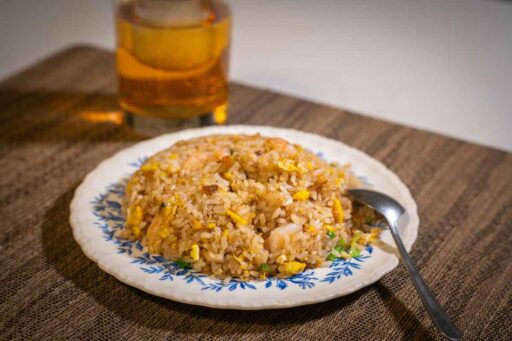
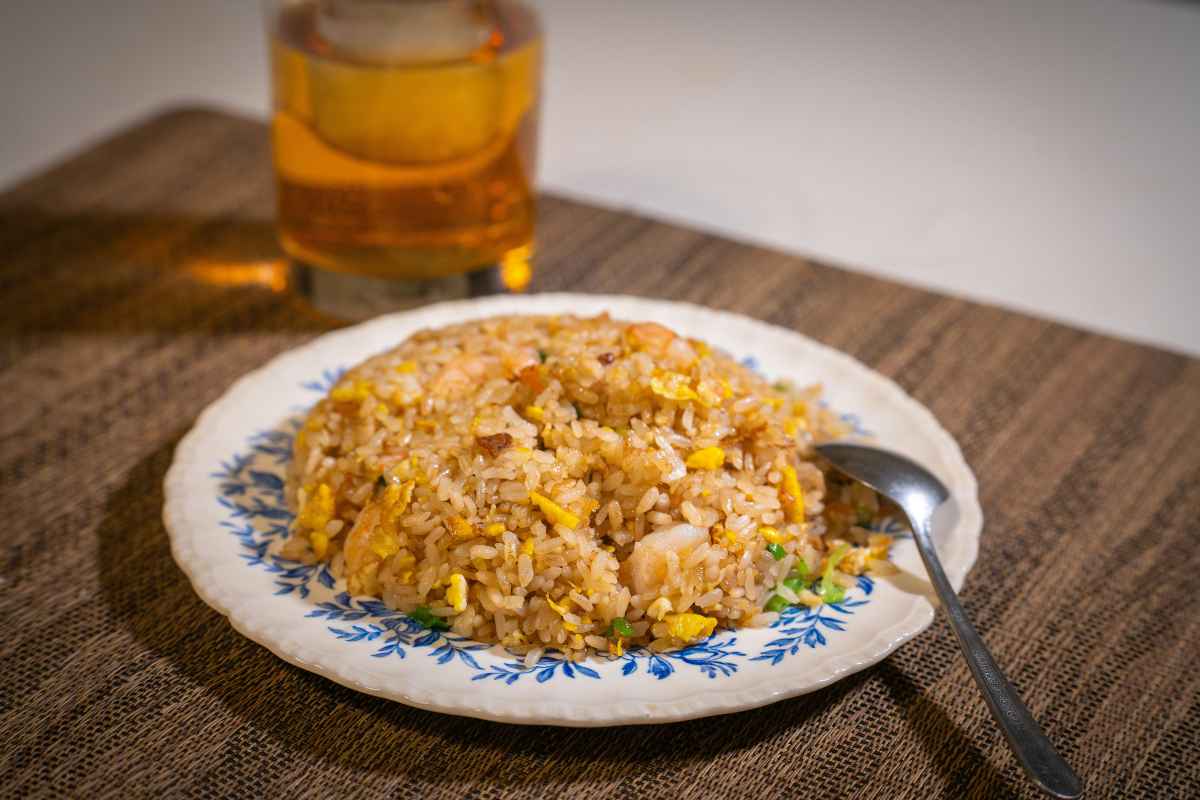

Few leftovers change as noticeably as fried rice once chilled, with grains turning firm, clumpy, and less aromatic overnight. Restoring it well takes more than simply making it hot again; moisture, heat control, and timing all matter. This TeaKoe guide covers how to reheat fried rice with practical methods, useful flavor upgrades, and simple tips for keeping the texture satisfying.
1. Which Reheating Method Is Best for Fried Rice?
The best method depends on the type of fried rice, the portion size, and how much moisture the dish has lost. Matching the method to the situation helps prevent dry grains, soggy texture, or overcooked proteins.
| Situation | Recommended Method | Why It Works |
|---|---|---|
| Classic Vegetable Fried Rice | Stovetop | Keeps the grains moving and helps vegetables warm evenly |
| Egg Fried Rice | Stovetop | Allows gentle reheating without making the egg rubbery |
| Chicken Fried Rice | Stovetop | Gives better control over both the rice and protein |
| Shrimp Fried Rice | Stovetop Over Moderate Heat | Warms the rice while reducing the risk of tough shrimp |
| Small Single Portion | Microwave | Fast and practical when combined with a little moisture |
| Large Batch | Wok or Large Skillet | Makes stirring easier and distributes heat more evenly |
| Frozen Fried Rice | Stovetop | Helps break apart clumps while excess moisture evaporates |
2. How to Reheat Fried Rice on the Stovetop (Best Overall)
The stovetop works especially well because you can adjust heat, moisture, and seasoning as the rice warms. It also gives you enough control to separate cold clumps without making the grains mushy.
Step 1. Break Up Cold Rice Clumps
Cold fried rice often sticks together after refrigeration because the starch firms up as it cools. Gently loosen the rice with a spatula, fork, or clean fingers before adding it to the pan.
Breaking apart large clumps first helps the grains warm more evenly and prevents some sections from staying cold while others become overcooked.
Step 2. Add a Small Splash of Water or Broth
A little moisture helps soften rice that has dried out in the refrigerator.
Add only a small splash of water or broth, then cover the pan briefly so gentle steam can loosen the grains. Too much liquid can make the rice heavy or soggy, so start with a small amount.
Step 3. Stir Over Medium Heat
Keep the pan over medium heat and stir the rice regularly as it warms. This helps distribute heat throughout the grains while preventing sticking or scorched spots at the bottom.
Moderate heat is preferable to high heat because it allows the rice to warm steadily without drying too quickly or overcooking delicate ingredients.
Step 4. Finish with Fresh Seasoning if Needed
Taste the rice once it is hot before adding extra seasoning. A small amount of soy sauce, white pepper, sesame oil, or salt can restore flavor that has faded during storage.
Add seasoning gradually, since leftover fried rice may already contain enough sodium, and too much liquid seasoning can affect the texture.

3. How to Refresh Fried Rice Instead of Simply Reheating It
Leftover fried rice can easily become the base of a more interesting meal with just a few fresh additions. Small upgrades can improve aroma, texture, and flavor without requiring you to cook an entirely new dish.
Add a Fresh Egg
Push the warming rice to one side of the pan and scramble a fresh egg in the open space. Once the egg is almost cooked, mix it through the rice.
This adds richness and a softer texture while making the leftovers feel more substantial, especially when you only have a small portion left.
Toss in Extra Vegetables
Fresh vegetables can add color, moisture, and texture to rice that feels flat after refrigeration. Peas, corn, carrots, bell peppers, or chopped greens all work well.
Adding vegetables near the end is a simple way to make the dish feel fresher without overcooking the original ingredients.
Finish with Sesame Oil or Green Onions
A few drops of sesame oil can bring back the aroma that may have faded overnight, while sliced green onions add freshness and light crunch. Add both near the end rather than early in the cooking process.
Add Fresh Soy Sauce at the End
Fresh soy sauce can sharpen the savory flavor, but it is best added near the end of reheating.
Drizzle a small amount around the hot pan and toss quickly so it coats the rice evenly. Adding too much too early can make the grains wet or cause the seasoning to become overly concentrated.
>>> Read More: How to Reheat Frozen Rice for a Quick Weeknight Meal [Guide]
4. How Long Does Fried Rice Stay Safe to Eat?
Fried rice can generally be stored in the refrigerator for 3 to 4 days or frozen for up to about 2 months.
Cooked rice should be refrigerated within 2 hours of preparation because leaving it at room temperature too long increases the risk associated with Bacillus cereus food poisoning.
5. Fried Rice Reheating Questions Answered
Leftover fried rice often raises questions about moisture, repeated reheating, and food safety.
Why does leftover fried rice become dry?
Rice loses moisture as it sits in the refrigerator, while the starches firm up and make the grains clump together. A small splash of water or broth during reheating can help restore softness without making the rice soggy.
Can fried rice be reheated twice?
It is better to reheat only the portion you plan to eat rather than repeatedly warming the same batch. Repeated reheating can reduce texture and may increase food safety concerns if the rice is not cooled and stored properly between servings.
Should you add water before reheating?
Yes, a small amount can help when the rice feels dry or firm. Use only a little water or broth, because too much liquid can make the grains mushy instead of separate and fluffy.
Is reheated fried rice safe to eat?
Yes, provided the rice was cooled promptly, stored correctly, and reheated thoroughly. Rice that has been left at room temperature for too long should be discarded rather than reheated and eaten.
6. Final Words
Leftover fried rice can regain much of its original texture and flavor when reheated with the right balance of moisture and moderate heat.
A practical approach to how to reheat fried rice includes breaking up clumps, adding liquid sparingly, and refreshing the seasoning only when needed. Fresh egg, vegetables, or green onions can also give the dish new life.