



Finding a four leaf clover feels special because it is both rare in nature and rich in symbolism. Often linked with luck, hope, faith, and love, this tiny green plant has become a meaningful charm across many cultures.
Its unusual shape makes it stand out from ordinary clover, which adds to its mystery. For a clearer look at its rarity and meaning, readers can explore TeaKoe’s guide below.
1. What Is a Four Leaf Clover?
This rare clover variation comes from the common clover plant, most often white clover. Instead of the usual three leaflets, it develops four separate leaflets, which makes it noticeable in lawns, gardens, meadows, or open fields.
Its unusual shape is the main reason people connect it with luck and special meaning. Across many traditions, the four leaflets are often linked to faith, hope, love, and good fortune, making it a popular symbol in gifts, jewelry, stories, and decorations.
2. How Rare Is a Four Leaf Clover?
Finding this rare clover feels special because it appears far less often than the common three-leaf type. A widely cited estimate says only about one in 10,000 clovers has four leaves, which explains why people often connect it with luck and surprise.
For anyone wondering what are the odds of finding a four leaf clover, the chance is low but still possible, especially in large, healthy clover patches. Genetics, growing conditions, and natural plant variation can all influence whether extra leaflets appear, making each discovery feel unusual and memorable.
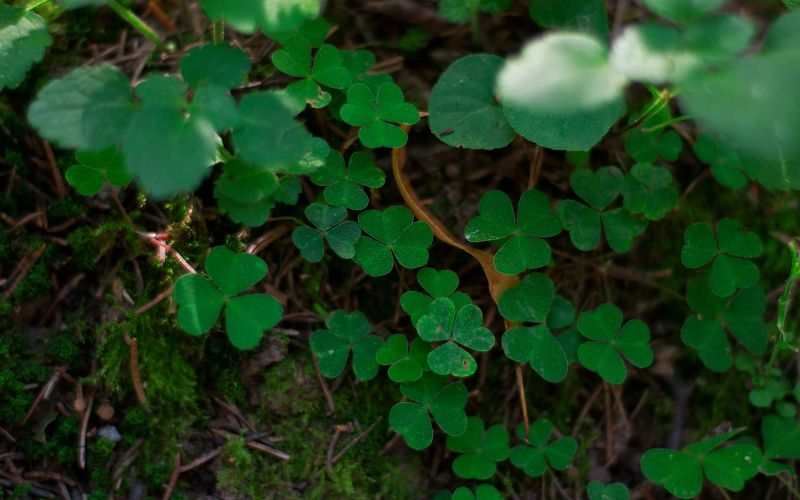
3. How to Find a Four Leaf Clover?
Searching for a lucky clover works best when you know where, when, and how to look. Instead of checking every tiny leaf one by one, a smarter method helps your eyes notice unusual four-leaf patterns faster.
Locating Where to Look
Clover often grows in lawns, parks, meadows, garden borders, and open grassy spots where the soil stays lightly moist. The best places to search are thick patches of white clover, especially areas where many leaves grow close together and create a wide green carpet.
Because four-leaf clovers are not easy to find, patience matters more than luck alone.
If you wonder how rare is it to find a four leaf clover, remember that scanning large patches slowly is more effective than checking every stem one by one, since your eyes can catch unusual leaf shapes faster.
Finding the Best Time of Year to Search
Spring and early summer usually create better searching conditions because clover grows actively during this period. Leaves tend to look fresher, fuller, and easier to recognize, especially in healthy patches.
After a light rain, the greenery may appear brighter, helping unusual four-leaf shapes stand out more clearly.
Soft daylight is better than harsh midday sun because glare can make small leaf patterns harder to notice.
Scanning vs Examining Individual Plants
Scanning a clover patch from above is often more effective than inspecting every plant one by one. Let your eyes move gently across the greenery and look for any shape that interrupts the usual three-leaf pattern.
Once you notice a leaf cluster that looks different, lean closer to check the details carefully.
4. Four-Leaf Clover vs Shamrock: What’s the Difference?
These two symbols are often confused because both are small green plants linked to luck, tradition, and Irish culture.
However, they are not exactly the same, and the main difference comes from their leaf count, meaning, and cultural use.
| Feature | Four-Leaf Clover | Shamrock |
|---|---|---|
| Leaf count | Has four leaflets | Usually has three leaflets |
| Rarity | Rare and harder to find in nature | Common and easier to find |
| Main meaning | Often symbolizes luck, faith, hope, love, and good fortune | Commonly represents Ireland, St. Patrick, and Irish heritage |
| Plant type | Usually a rare variation of common clover | Often refers to young clover or similar three-leaf plants |
| Cultural use | Popular in charms, jewelry, gifts, and lucky symbols | Strongly linked to St. Patrick’s Day and Irish identity |
| Key difference | Valued mostly because it is unusual and lucky | Valued mostly because of tradition and cultural meaning |
5. Top FAQs about Four Leaf Clover
Four-leaf clovers have fascinated people for centuries because of their rarity and connection to good luck.
Can four-leaf clovers grow naturally?
Yes, four-leaf clovers occur naturally due to a rare genetic variation and certain environmental conditions. They are not a separate plant species. Most are found among patches of common white clover.
What should I do if I find a four-leaf clover?
Many people press and preserve their four-leaf clovers inside books or picture frames. Others carry them in wallets or use them in crafts as lucky keepsakes. Proper preservation helps maintain their shape and color for years.
Are there clovers with more than four leaves?
Yes, clovers with five, six, or even more leaves have been discovered, though they are much rarer than four-leaf clovers. Some enthusiasts actively collect these unusual finds. The higher the leaf count, the more uncommon the clover is considered to be.
>>> Read More: A Complete Tutorial On How To Make Dandelion Tea Correctly
6. Final Words
This rare little plant remains special because it blends natural surprise with a long tradition of good-luck symbolism. Each leaflet is often linked to faith, hope, love, and fortune, giving it a meaning that feels simple but memorable.
Learning about the four leaf clover also helps explain why people enjoy searching for it and why it is different from a shamrock. While finding one takes patience, the charm often comes from the search itself. For more nature-inspired meanings, lucky symbols, and everyday lifestyle guides, TeaKoe offers helpful reads worth exploring.