
Proper tire pressure supports safer braking, smoother handling, better fuel efficiency, and longer tire life. Knowing how to check tire pressure helps drivers spot low or uneven pressure before it affects road safety or causes unnecessary wear.
With the right gauge, recommended PSI, and a quick routine, this simple habit becomes easy to manage. For clearer steps and practical driving tips, readers can explore TeaKoe’s guide below.
1. How to Check Tire Pressure Without Gauge?
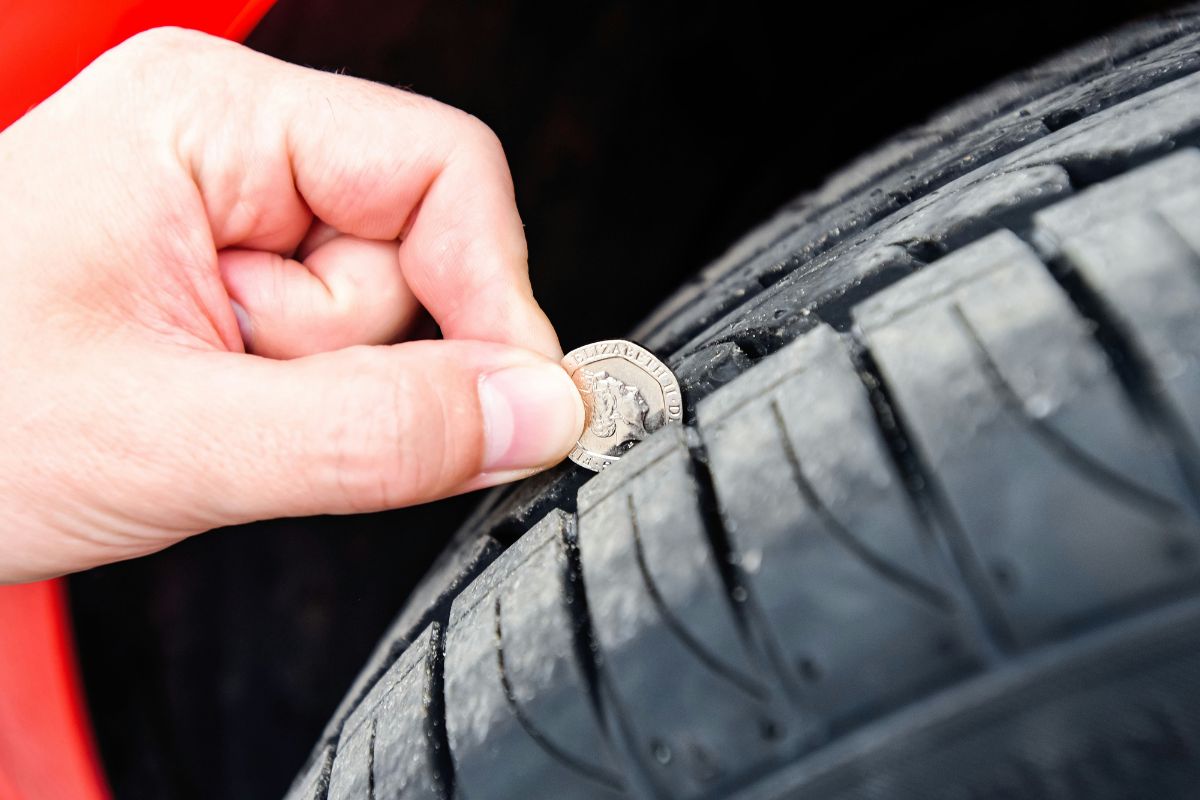
Tire pressure can look normal from the outside, even when the tire is actually underinflated or overinflated.
Visual checks alone are not accurate enough for safe driving.
- Prevents inaccurate guessing: A tire can appear firm while still being several PSI below the recommended level, so a gauge gives a real number instead of relying on appearance.
- Supports safer handling: Correct pressure helps the tires grip the road properly, improving steering, braking, and overall control in daily driving.
- Reduces uneven tire wear: Low or high pressure can cause tires to wear faster on the edges or center, shortening their usable life.
- Helps improve fuel efficiency: Underinflated tires create more rolling resistance, which can make the engine work harder and use more fuel.
- Protects against tire damage: Driving with poor pressure for too long can increase heat buildup, weaken the tire structure, and raise the risk of a blowout.
2. How to Check Your Tire Pressure in 5 Simple Steps
Checking tire pressure is a quick habit that can improve safety, comfort, fuel use, and tire life.
With the right PSI number and a simple gauge, drivers can avoid guessing and keep each tire properly inflated.
Find the Recommended PSI
Start by checking the recommended PSI for your vehicle, usually printed on the driver-side door sticker or listed in the owner’s manual.
Do not rely only on the number printed on the tire sidewall, because that usually shows the maximum pressure, not the ideal daily driving level.
Check Tires When They’re Cold
Tire pressure is most accurate when the tires are cold, before driving or after the vehicle has been parked for several hours.
Heat from driving can raise the pressure reading, which may lead to incorrect adjustment.
Remove the Valve Cap
Unscrew the small cap from the tire’s valve stem and place it somewhere safe so it does not get lost. The valve stem is where the gauge connects to read pressure.
Use a Tire Pressure Gauge
Press the tire pressure gauge firmly onto the valve stem until the hissing sound stops. A digital, dial, or stick gauge can all work if used correctly.
Read the PSI number and compare it with the recommended pressure for your vehicle.
Adjust Air as Needed
Add air if the tire pressure is too low, or release a little air if it is too high. Check the reading again after each adjustment to avoid overfilling or underfilling.
Once the pressure is correct, replace the valve cap securely.
3. How to Check Tire Pressure at Gas Station?
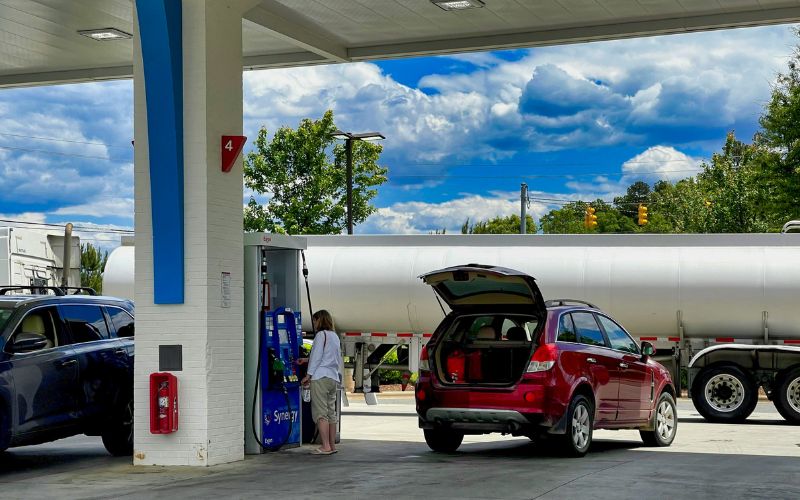
Gas stations can be useful when you need to check tire pressure and add air during a regular drive. The key is to know your recommended PSI first, then use the pump carefully so each tire reaches the right level.
Using the Air Pump and Gauge
Park close enough for the air hose to reach all tires, then remove the valve cap from one tire at a time.
Press the pump nozzle firmly onto the valve stem to get a proper seal. Many gas station pumps include a built-in gauge, but you can also use your own for better accuracy.
Reading PSI Correctly
Check the PSI reading and compare it with the recommended number on your driver’s side door sticker or owner’s manual.
If the reading looks unstable, remove the nozzle and press it on again. A firm connection helps prevent air leaks and gives a cleaner measurement.
Adding or Releasing Air
Add air in short bursts if the tire is below the recommended PSI, then recheck the reading.
If the tire has too much air, press the valve pin gently to release a small amount. Repeat until the pressure is correct, then replace the valve cap securely.
4. Common Tire Pressure Mistakes Drivers Make
Small tire pressure mistakes can affect braking, steering, fuel use, and how evenly your tires wear over time.
Checking Tires After Driving
Tire pressure rises when tires heat up during driving, so checking them right after a trip can give a higher reading than normal.
This may cause drivers to release too much air by mistake. For better accuracy, check tires when they are cold or after the car has been parked for several hours.
Using the Maximum PSI on the Tire Sidewall
The number printed on the tire sidewall usually shows the maximum pressure the tire can handle, not the recommended pressure for your vehicle.
Filling tires to that number may affect comfort, traction, and wear. Always follow the PSI listed on the driver-side door sticker or in the owner’s manual.
Ignoring Seasonal Temperature Changes
Tire pressure changes as outdoor temperatures rise or fall, especially during seasonal weather shifts. According to automotive service standards, tire pressure drops by roughly one to two PSI for every ten-degree decrease in outdoor temperature. Cold weather lowers pressure, while warmer conditions increase it.
Forgetting the Spare Tire
The spare tire is easy to ignore because it is not used every day, but it still loses air over time. A flat or underinflated spare may be useless during an emergency.
Check it during routine tire maintenance so it is ready when needed.
>>> Read More: How to Patch a Hole in the Wall: Easy DIY Fixes for Any Size
5. Final Words
Checking tire pressure regularly is a simple habit that can make driving safer, smoother, and more efficient. The most accurate method starts with the recommended PSI, cold tires, and a reliable pressure gauge instead of guesswork. Drivers should also avoid common mistakes like using the tire sidewall number or forgetting seasonal pressure changes.
If you are unsure how to check tire pressure correctly, following a step-by-step routine can help protect your tires and improve road safety. For more practical car care tips and everyday maintenance guides, TeaKoe offers helpful reads worth exploring.