
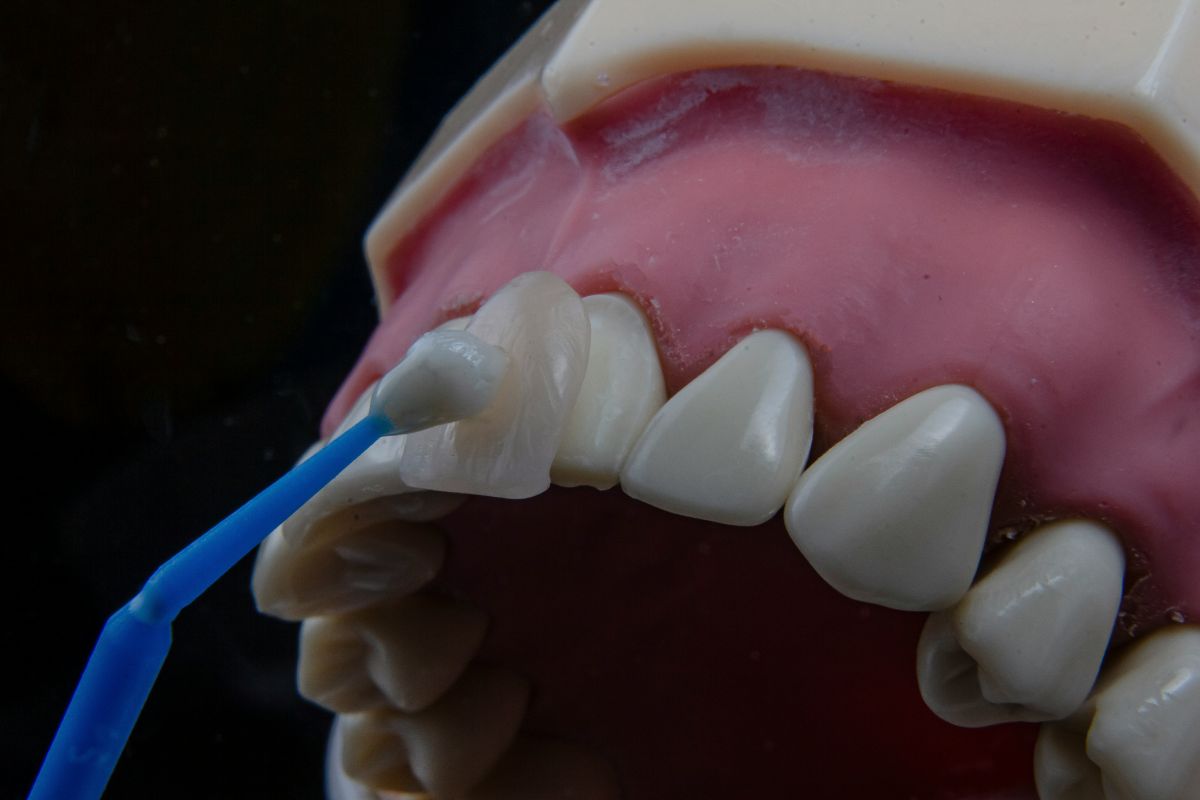

Veneers are often considered cosmetic, so insurance coverage is usually limited unless there is a clear medical or restorative reason. The question does medical cover veneers depends on why the treatment is needed, how the plan defines dental benefits, and whether documentation supports more than appearance-based care.
This TeaKoe guide helps patients review coverage rules, compare possible costs, and know what to ask before starting treatment.
1. What Are Veneers and Why Do People Get Them?
Dental veneers are thin, custom-made shells bonded to the front surface of teeth to improve how a smile looks.
Usually made from porcelain or composite resin, they can help cover visible concerns such as deep stains, small chips, cracks, gaps, uneven edges, or minor shape issues.
Many people choose veneers when they want a brighter, more balanced smile without changing the structure of every tooth.
- Severe stains: Veneers can hide discoloration that does not improve much with whitening treatments, especially deep stains caused by medication, enamel changes, or long-term wear.
- Chipped or worn teeth: They may restore a smoother appearance for teeth with small chips, rough edges, or visible wear from grinding, aging, or daily use.
- Gaps between teeth: Veneers can make small spaces look less noticeable and help create a more even smile line.
- Minor misalignment: They may give slightly uneven teeth a straighter appearance without braces or aligners, although they do not correct bite problems.
- Tooth shape or size concerns: Veneers can improve teeth that look too small, narrow, misshapen, or out of balance with surrounding teeth.
2. Does Medical Cover Veneers?
In most cases, medical insurance does not cover veneers because they are usually treated as cosmetic dental procedures.
When veneers are used to improve tooth color, shape, size, or overall smile appearance, insurers often consider them elective rather than medically required.
However, coverage may be possible in limited situations if veneers are needed to restore tooth function or repair serious damage.
Examples may include severe structural injury, a broken tooth, trauma-related damage, or advanced enamel loss, but patients usually need clear dental records and insurer approval.
>>> Read more: Does Medical Cover Zepbound? Insurance and Cost Support Explained
3. When Medical Insurance MAY Cover Veneers
Many patients ask does medical cover veneers when exploring ways to reduce dental costs. In most cases, medical insurance does not cover veneers for cosmetic purposes.
Accidents or Facial Trauma
Medical insurance may review coverage if veneers are needed after an accident, fall, sports injury, or facial trauma. In these cases, the treatment may be viewed as restorative if the tooth is cracked, fractured, weakened, or structurally damaged.
The claim is usually stronger when the veneer helps protect the remaining tooth, restore normal biting function, or prevent further damage.
Congenital Dental Conditions
Some people are born with dental conditions that affect enamel, tooth shape, size, strength, or development.
If these problems interfere with chewing, speech, tooth protection, or long-term oral health, veneers may be considered more than a cosmetic improvement.
Coverage is still not guaranteed, but documentation can make a major difference.
Reconstruction After Medical Procedures
Veneers may also be reviewed for coverage when they are part of reconstruction after surgery, infection, cancer treatment, or another medically necessary procedure.
In these situations, the goal is usually to restore oral structure, protect affected teeth, or improve function after medical care.
Insurers often look for clear proof that the treatment is tied to a medical condition rather than appearance alone.
4. Alternatives to Veneers That Medical May Cover
Veneers are often treated as cosmetic, so patients may need to consider other dental options when function, pain, tooth loss, or oral health is the main concern.
Dentures
Dentures may be covered when missing teeth affect chewing, speaking, nutrition, or daily function. Unlike veneers, dentures replace lost teeth rather than change the appearance of existing teeth.
Coverage may apply for full or partial dentures, but plans often set rules for replacement timing, approved materials, and in-network dental providers.
Crowns
Crowns may be covered when a tooth is severely cracked, weakened, decayed, or damaged after a root canal. Since crowns protect the full visible part of the tooth, insurers may view them as restorative instead of cosmetic.
Orthodontic Treatments
Orthodontic treatment may be covered in limited cases for children and teens under 21, especially when bite problems affect function, jaw development, or oral health. Coverage is usually not approved for minor cosmetic straightening.
Extractions
Extractions may be covered when a tooth is severely infected, damaged, impacted, or impossible to save with other treatments.
This option is usually considered medically necessary when keeping the tooth could cause pain, spread infection, or harm nearby teeth. Coverage still depends on the diagnosis, documentation, and provider network.
5. Final Words
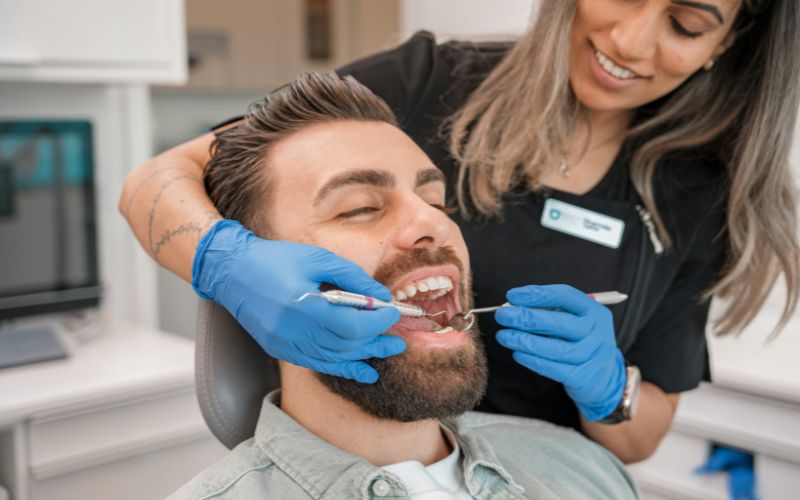
Veneers can improve the look of a smile, but they are usually not covered when the purpose is only cosmetic. Patients asking does medical cover veneers looks closely at whether the treatment is tied to trauma, structural damage, congenital issues, or reconstruction after medical care.
Clear dental records, X-rays, and written explanations from a provider may help support a claim when medical necessity applies. Before paying out of pocket, it is wise to compare alternatives such as crowns, dentures, extractions, or covered restorative treatments. TeaKoe helps readers review insurance limits and make more confident dental care decisions.