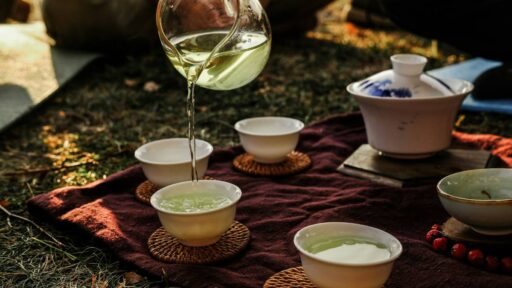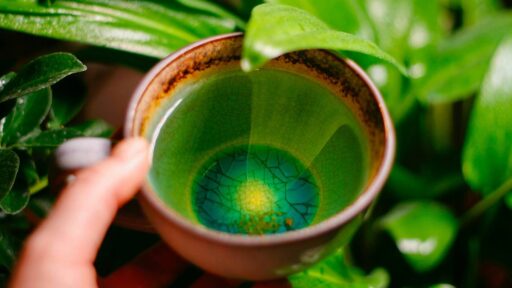
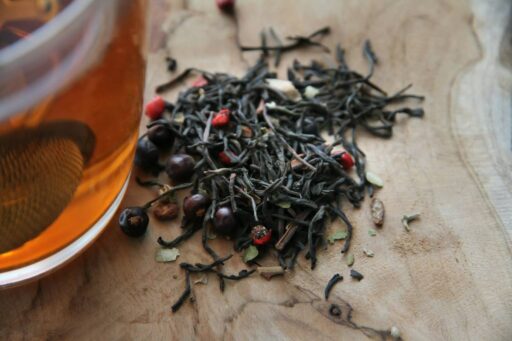
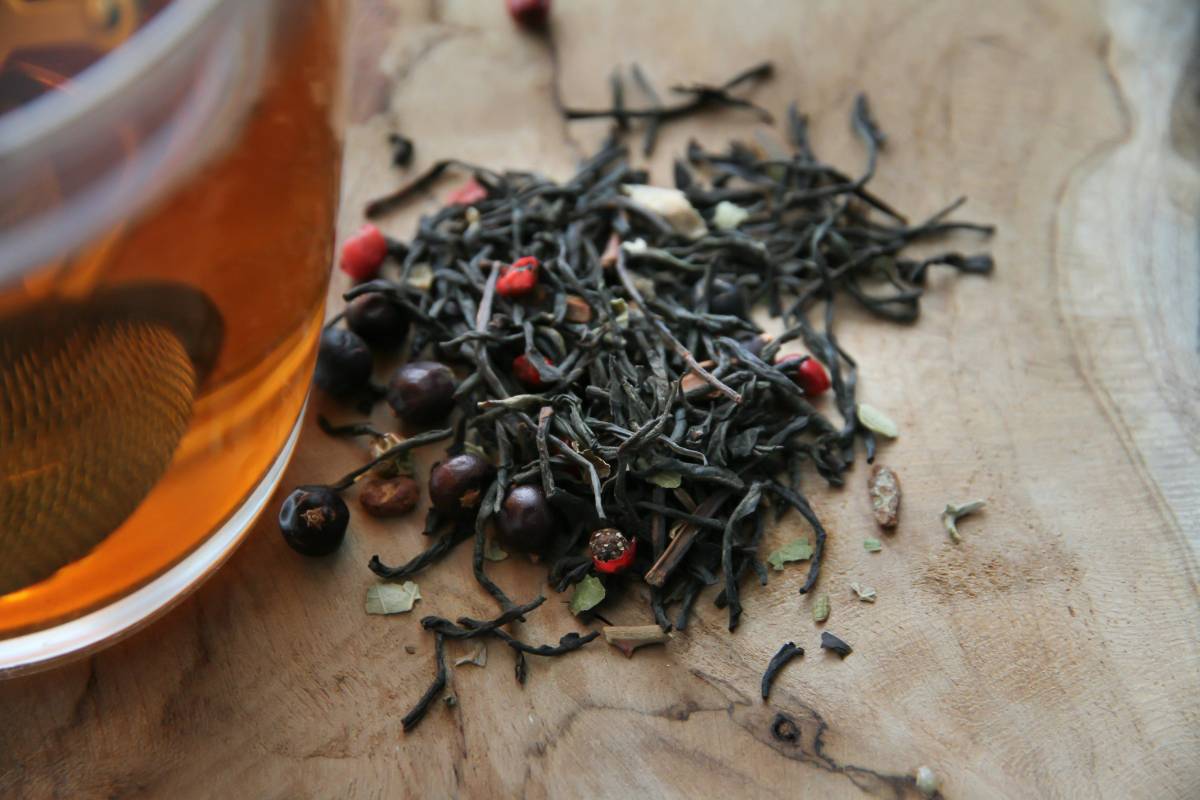

Getting the timing right can completely change how your tea tastes, from smooth and balanced to overly bitter or too weak. Many people focus on steeping time but overlook how freshness also affects the final result, which leads to the common question does tea go bad over time.
To better understand how long to steep tea, exploring detailed guides from TeaKoe can help you brew tea that consistently delivers a richer and more enjoyable experience.
1. How Long to Steep Tea? (Quick Answer)
Steeping time plays a key role in determining how your tea tastes, from light and refreshing to bold and full-bodied. So, how long to let tea steep?
Green tea: 2-3 minutes
Green tea requires a shorter steeping time to preserve its delicate flavor and prevent bitterness. If you are wondering how long to steep green tea, keeping it between 2 and 3 minutes allows the leaves to release their natural sweetness and subtle grassy notes without becoming too strong.
Using water that is slightly below boiling also helps maintain its smooth taste. Oversteeping can quickly make green tea harsh, so timing and temperature should always go hand in hand.
Black tea: 3-5 minutes
Black tea is more robust and can handle a longer steeping time compared to lighter teas.
For those asking how long to steep black tea, a range of 3 to 5 minutes is ideal to extract its rich flavor and deeper color.
A shorter steep creates a lighter cup, while a longer steep produces a stronger and more intense taste.
Herbal tea: 5-7 minutes
Herbal tea is made from a blend of herbs, flowers, and fruits, which often need more time to fully release their flavors.
Steeping for about 5 to 7 minutes allows the ingredients to infuse properly, creating a balanced and aromatic cup.
Unlike traditional tea, herbal blends are generally more forgiving if left longer, as they do not become as bitter.
Chamomile tea: 5-10 minutes
Chamomile tea benefits from a longer steep to fully develop its calming aroma and gentle sweetness.
If you are considering how long to steep chamomile tea, allowing it to sit for 5 to 10 minutes helps draw out its floral notes and soothing qualities.
A shorter steep may result in a lighter flavor, while a longer one enhances its relaxing character.
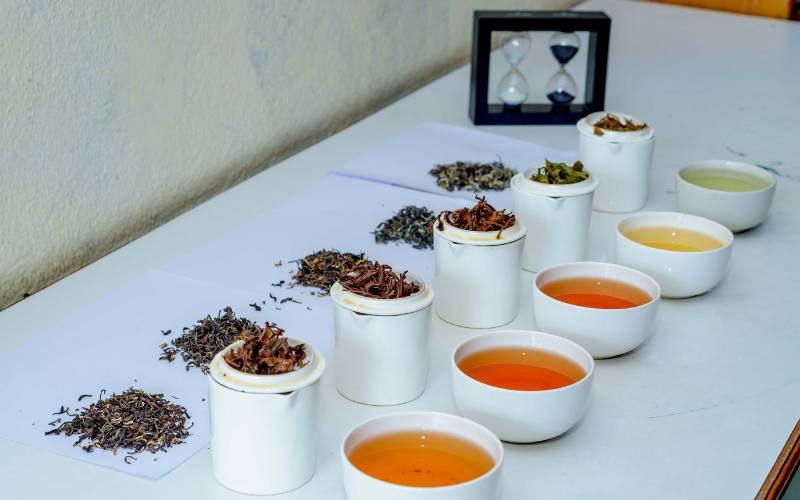
2. Why Steeping Time Counts (Tea Insight)
Every cup of tea is shaped by time, and even a small difference in steeping can change the entire flavor profile.
Flavor Balance and Extraction
Steeping time directly affects how compounds are released from the tea leaves into the water.
Shorter steeping may result in a lighter, more delicate flavor, while longer steeping pulls out deeper notes along with tannins.
Aroma and Overall Experience
Aroma is a key part of enjoying tea, and it is closely linked to how long the leaves are steeped.
If the steeping time is too short, the tea may lack depth and complexity. On the other hand, correct timing enhances both scent and taste.
What Happens If You Steep Tea Too Long?
Oversteeping tea can lead to a noticeably bitter and astringent taste due to the excess release of tannins.
In some cases, the natural sweetness and subtle notes are completely overshadowed by bitterness. While the tea is still safe to drink, it may not be enjoyable, making proper timing an important part of brewing.
3. How to Steep Tea Properly (Step-by-Step)
Brewing tea the right way is a simple process, but each step plays an important role in the final taste.
Heat water to the right temperature
Water temperature has a direct impact on how flavors are extracted from tea leaves. Different types of tea require different heat levels, with green tea needing lower temperatures and black or herbal teas needing hotter water.
Using water that is too hot can burn delicate leaves, while water that is too cool may not extract enough flavor.
Add tea leaves or a tea bag
Choosing the right amount of tea is just as important as the quality of the leaves. Loose-leaf tea generally needs about one teaspoon per cup, while tea bags are pre-measured for convenience.
Adding too much tea can result in a strong and overwhelming flavor, while too little may produce a weak brew.
Let it steep for the recommended time
Steeping time controls how much flavor, color, and aroma are released into the water. Following the recommended timing for each type of tea helps maintain balance and prevents bitterness.
Setting a timer can be useful, especially if you are new to brewing. Leaving tea for too short a time results in a light and underdeveloped taste, while too long can make it overly strong.
Remove leaves/bag immediately
Once the tea has reached its ideal steeping time, removing the leaves or tea bag is essential.
Leaving them in the water continues the extraction process, which can quickly lead to bitterness and a harsh aftertaste. Taking them out at the right moment locks in the desired flavor profile.
Enjoy or adjust flavor
After steeping, you can enjoy the tea as it is or adjust it to suit your taste. Some people prefer adding honey, lemon, or milk, depending on the type of tea. If the flavor feels too strong, adding a small amount of hot water can help balance it.
>>> Read more: Does Tea Go Bad? How Long Tea Lasts and How to Store It Properly
4. Final Thoughts
Mastering the timing behind each cup can make a noticeable difference in both flavor and overall enjoyment. From delicate green tea to stronger black or herbal blends, knowing how long to steep tea helps you avoid bitterness while bringing out the best natural notes.
Small adjustments in time and technique can turn an average brew into something far more satisfying. Consistency also becomes easier once you understand what each tea needs.
For those looking to refine their routine further, exploring curated guides and quality selections from TeaKoe is a great way to elevate every cup you make.