
Tarragon is often associated with licorice, yet its flavor is far more nuanced than that familiar comparison suggests. So, what does tarragon taste like, and will you enjoy it even if licorice isn’t your favorite? Discover its unique flavor profile, differences between varieties, and the best ways to use it in everyday cooking with TeaKoe.
1. What Does Tarragon Taste Like?
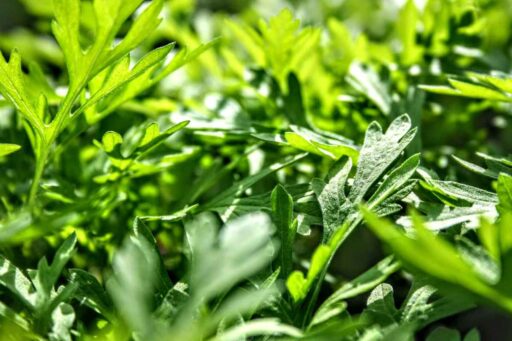
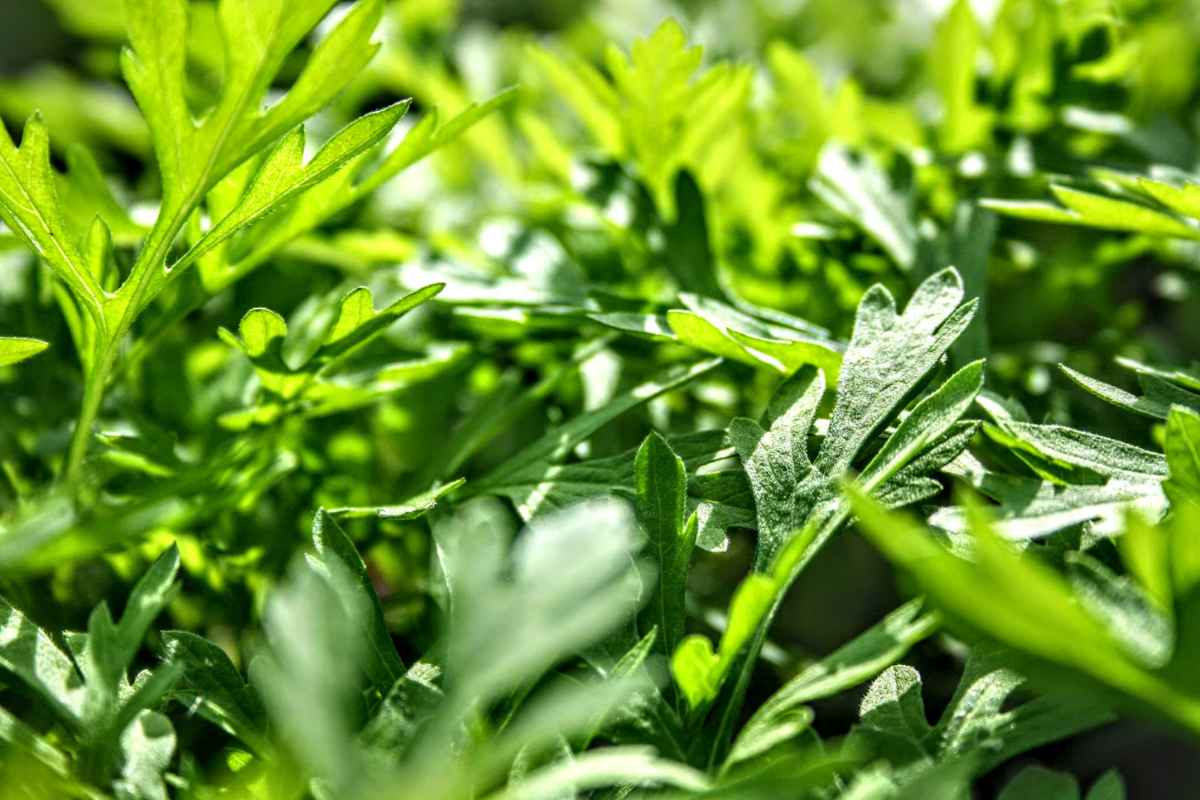
What does tarragon taste like? Tarragon has a delicate, slightly sweet herbal flavor with recognizable hints of licorice and anise, balanced by fresh grassy notes and a subtle citrusy brightness. Unlike the bold sweetness of licorice candy, its flavor is lighter, more aromatic, and gently peppery.
Fresh tarragon leaves deliver a lively, fragrant taste, while dried tarragon offers a more muted, concentrated herbal character. Its distinctive flavor complements chicken, fish, eggs, and creamy sauces without necessarily overpowering the dish.

2. What Does Tarragon Taste Like Compared to Other Herbs?
Tarragon stands out among culinary herbs for its delicate sweetness and distinctive licorice-like aroma. Comparing it with familiar herbs can help you understand its flavor profile and decide which ingredients work best as substitutes.
| Herb | Flavor Profile | Key Difference From Tarragon |
|---|---|---|
| Tarragon | Sweet, herbal, slightly licorice-like | Delicate anise notes with subtle citrus freshness |
| Basil | Sweet, peppery, mildly minty | Sweeter and less anise-forward |
| Fennel Fronds | Fresh, grassy, mildly licorice-like | Similar anise notes but lighter and greener |
| Dill | Fresh, grassy, slightly tangy | Brighter and less sweet |
| Oregano | Earthy, peppery, slightly bitter | Stronger and more pungent |
| Thyme | Earthy, woody, subtly minty | More savory with little sweetness |
| Chervil | Mild, delicate, slightly anise-like | Softer and less pronounced |
Tarragon vs. Basil
Basil and tarragon both offer gentle sweetness and aromatic freshness, but their flavors differ noticeably. Basil has a peppery, slightly minty character, while tarragon delivers distinctive anise and licorice notes.
Sweet basil works well in tomato-based dishes, whereas tarragon particularly complements creamy sauces, poultry, and delicate proteins.
Tarragon vs. Fennel Fronds
Fennel fronds are among the closest flavor comparisons to tarragon because both contain recognizable anise-like notes. However, fennel fronds taste lighter, grassier, and less complex.
Tarragon has a more concentrated herbal sweetness with subtle peppery undertones, making it particularly distinctive in sauces, dressings, and French-inspired recipes.
Tarragon vs. Dill
Dill has a bright, grassy flavor with slightly tangy, citrus-like notes that contrast with tarragon’s sweeter, licorice-like character.
Both herbs pair beautifully with fish, eggs, and creamy sauces, but dill creates a fresher, sharper impression. Tarragon contributes a softer, more aromatic sweetness that adds complexity without excessive acidity.
Tarragon vs. Oregano
Oregano offers a bold, earthy flavor with peppery bitterness, making it considerably stronger and more savory than tarragon.
While oregano is commonly used in Mediterranean tomato sauces, grilled meats, and pizza, tarragon shines in delicate cream-based preparations.
Tarragon vs. Thyme
Thyme has an earthy, woody aroma with subtle minty and floral notes, while tarragon tastes sweeter and more distinctly anise-like.
Both complement roasted chicken, vegetables, and savory sauces, but thyme creates a deeper herbal foundation. Tarragon adds a lighter, more fragrant finish, particularly when used fresh.
Tarragon vs. Chervil
Chervil shares tarragon’s delicate herbal character and subtle anise-like sweetness, making it a useful alternative in gentle preparations.
However, chervil tastes milder, with fresh parsley-like notes that soften its licorice character.
>>> Read More: Why Does Cilantro Taste Like Soap? The Science Behind the Taste Divide
3. What Foods Taste Best With Tarragon?
Tarragon’s gentle sweetness and aromatic complexity make it especially appealing alongside ingredients that benefit from fresh herbal contrast.
If you’re wondering what does tarragon taste like when added to everyday meals, these food pairings reveal how its distinctive flavor enhances different dishes.
Chicken – Mild Meat With Aromatic Herbal Flavor
Chicken’s mild flavor provides an excellent base for tarragon’s delicate sweetness and subtle licorice notes. The herb works particularly well in creamy chicken sauces, roasted chicken, and light pan sauces.
Combining tarragon with garlic, lemon, or Dijon mustard creates a balanced dish without overwhelming the meat’s natural flavor.
Fish and Seafood – Delicate Flavor With a Fresh Finish
Tarragon complements the gentle sweetness of fish and seafood without masking their delicate flavors. Its fresh, slightly citrusy notes pair beautifully with salmon, cod, shrimp, and scallops.
Adding chopped fresh tarragon to lemon butter or a light cream sauce creates a fragrant finish that enhances seafood’s natural taste.
Eggs – A Subtle Upgrade to Omelets and Scrambles
Eggs have a mild, creamy flavor that allows tarragon’s aromatic sweetness to stand out. Freshly chopped leaves add a delicate anise note to scrambled eggs, omelets, and frittatas.
Pairing tarragon with butter, cheese, or mushrooms creates a satisfying combination that feels more refined without requiring complicated ingredients.
Potatoes – Earthy Comfort With Herbal Sweetness
Potatoes provide a comforting, earthy base that balances tarragon’s lightly sweet and aromatic character. The herb adds freshness to roasted potatoes, creamy potato salads, and buttery mashed potatoes.
Combining it with lemon, garlic, or a mustard-based dressing brings extra brightness while keeping the potatoes’ natural flavor at the center.
Asparagus and Green Beans – Fresh, Green Flavor Pairings
The fresh, grassy notes of asparagus and green beans complement tarragon’s herbal sweetness beautifully. Its subtle anise flavor adds complexity without overpowering these vegetables.
Tossing lightly cooked asparagus or green beans with butter, lemon juice, and chopped tarragon creates a refreshing side dish with a balanced, fragrant finish.
Mushrooms – Savory Depth With a Fragrant Contrast
Earthy mushrooms offer an interesting way to explore what does tarragon taste like, as their rich umami flavor brings out the herb’s subtle sweetness and anise-like aroma.
Sautéing mushrooms with butter, garlic, and a splash of white wine creates a savory combination, while fresh tarragon adds brightness and complexity without overwhelming the dish.
Salad Dressings – Bright, Tangy, and Herbaceous
Tarragon adds a distinctive aromatic touch to salad dressings, especially those made with vinegar, lemon juice, or Dijon mustard. Its gentle sweetness balances sharp acidity while introducing subtle licorice notes.
Fresh tarragon works particularly well in vinaigrettes and creamy dressings served with leafy greens, chicken salads, or roasted vegetables.
4. What Can You Substitute for Tarragon Without Losing Too Much Flavor?
Running out of tarragon doesn’t mean sacrificing the delicate herbal character of your favorite recipe. Understanding what does tarragon taste like helps you choose substitutes that capture its subtle sweetness, anise notes, or refreshing aroma.
Chervil – Best for Delicate French Dishes
Chervil is one of the closest substitutes for tarragon, offering a gentle herbal flavor with subtle anise notes. Its milder character works beautifully in creamy sauces, omelets, and delicate seafood dishes.
Use slightly more fresh chervil than tarragon to achieve a similar aromatic effect without overwhelming other ingredients.
Fennel Fronds – Best for Licorice-Like Flavor
Fennel fronds provide a fresh, grassy taste with mild licorice notes that resemble tarragon’s distinctive flavor.
They work particularly well with fish, chicken, and light salad dressings. Finely chop the fronds and use them in similar amounts to fresh tarragon, adjusting gradually to suit your preferences.
Basil – Best for Fresh Herbal Sweetness
Fresh basil offers a naturally sweet, aromatic flavor that can replace some of tarragon’s herbal brightness.
Although it lacks the same pronounced anise character, basil works well in chicken dishes, salads, and light sauces. Start with a similar amount and adjust according to the recipe’s overall flavor balance.
Dill – Best for Fish and Creamy Sauces
Dill provides a refreshing, grassy flavor with subtle citrus-like notes, making it a practical substitute for tarragon in seafood recipes. Its bright aroma complements salmon, shrimp, creamy dressings, and yogurt-based sauces.
Use a comparable amount of fresh dill, but expect a fresher, less sweet flavor without tarragon’s characteristic licorice notes.
Fennel Seeds – Best for Concentrated Anise Flavor
Fennel seeds deliver a stronger licorice-like taste that can recreate tarragon’s anise character in cooked dishes. They work especially well in braises, marinades, and savory sauces.
Because their flavor is more concentrated and less grassy, use a small pinch of crushed seeds instead of a full measure of fresh tarragon.
>>> Read More: What Does Dragon Fruit Taste Like? Why Some Are Sweeter Than Others
5. FAQs about Tarragon Taste
Tarragon’s unusual combination of sweetness and herbal freshness can make it tricky to predict how it will taste in different recipes. These answers address common questions about its flavor, varieties, and compatibility with familiar ingredients.
Is tarragon sweet or savory?
Tarragon has a naturally sweet, slightly licorice-like flavor, but it is primarily used as a savory herb. Its delicate sweetness complements chicken, seafood, eggs, and creamy sauces without making dishes taste sugary.
Can you use tarragon if you dislike licorice?
Yes, you may still enjoy tarragon even if you dislike licorice candy, since its anise notes are generally lighter and balanced by fresh herbal flavors. Start with a small amount in a creamy sauce or chicken dish to see how its flavor appeals to you.
What meat tastes best with tarragon?
Chicken is one of the best meats to pair with tarragon because its mild flavor allows the herb’s delicate sweetness and anise notes to shine. Turkey, veal, and pork also work well, particularly when combined with mustard, lemon, or cream-based sauces.
What is the mildest type of tarragon?
Russian tarragon generally has a milder, less distinctive flavor than French tarragon, with more grassy notes and little noticeable anise sweetness.
French tarragon is typically preferred for cooking because of its stronger aroma and more complex flavor, while Russian tarragon offers a gentler herbal taste.
6. Final Thoughts
Fresh tarragon adds a distinctive French-inspired touch to everyday meals, especially when paired with delicate proteins and rich sauces.
For anyone curious about what does tarragon taste like, imagine a gentle hint of anise complemented by fresh, slightly sweet herbal notes.
Start with a small amount to appreciate its unique character, and visit TeaKoe for more ingredient guides, flavor comparisons, and culinary inspiration.