
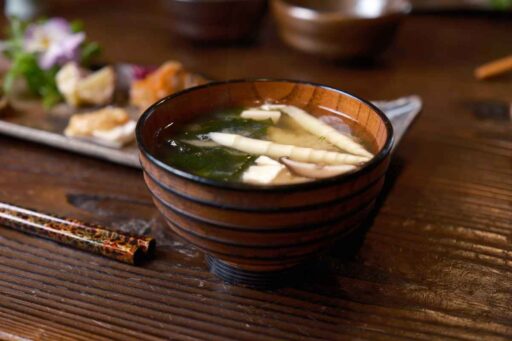
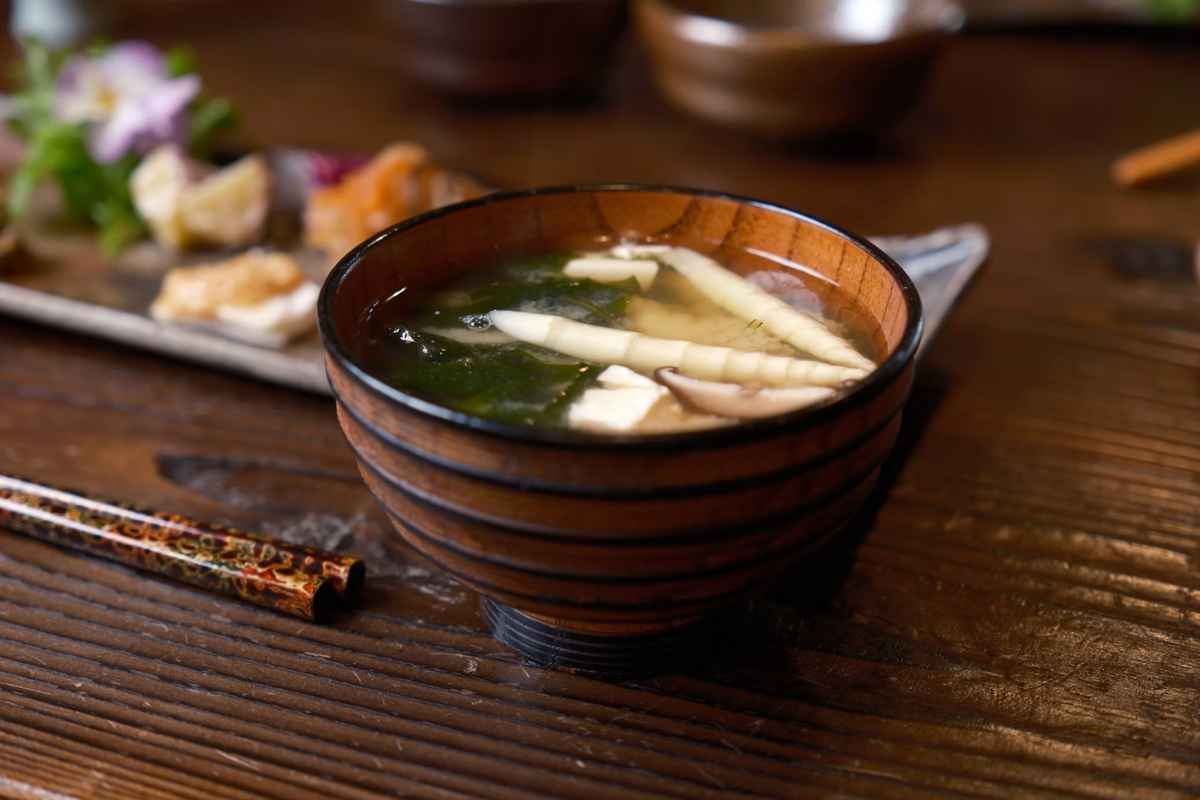

Miso may look like a simple paste, but its complex flavor can bring remarkable depth to even the most basic dishes. Made through fermentation, this Japanese staple delivers a distinctive balance of savory umami, gentle sweetness, and earthy richness.
So, what does miso taste like, and why do different varieties offer such contrasting flavors? Discover what makes miso unique, how fermentation and ingredients shape its character, and the best ways to incorporate it into your everyday cooking with TeaKoe.
1. What Does Miso Taste Like?
Miso has a rich, savory flavor dominated by umami, accompanied by noticeable saltiness and subtle hints of sweetness, nuttiness, and earthiness.
Its fermented character creates a complex depth that can resemble a concentrated broth or aged cheese.
White miso typically tastes milder and sweeter, while red miso delivers a stronger, saltier, and more robust flavor.
The exact taste depends on the ingredients, fermentation time, and variety, making miso a versatile seasoning for soups, marinades, and sauces.
2. How Do Different Types of Miso Taste?
Not all miso tastes alike, as ingredients, fermentation time, and production methods create noticeable differences in sweetness, saltiness, and umami intensity.
If you’re wondering what does miso taste like across different varieties, these seven popular types reveal how versatile this traditional Japanese seasoning can be.
White Miso (Shiro Miso)
White miso has a mild, slightly sweet flavor with gentle umami and relatively low saltiness compared to darker varieties. Its lighter color and delicate taste typically come from a higher proportion of rice koji and shorter fermentation.
White miso works beautifully in light soups, salad dressings, creamy sauces, and marinades, making it an excellent introduction for beginners.
Yellow Miso (Shinshu Miso)
Yellow miso offers a balanced combination of savory umami, moderate saltiness, and subtle earthy sweetness. Its flavor is generally stronger than white miso but less intense than red miso, making it suitable for everyday cooking.
Shinshu miso, traditionally associated with Japan’s Nagano region, pairs particularly well with miso soup, roasted vegetables, glazes, and savory sauces.
Red Miso (Aka Miso)
Red miso delivers a bold, deeply savory flavor with pronounced saltiness, earthy undertones, and occasional roasted or slightly bitter notes.
Its darker color and robust character often develop through longer fermentation, although production methods vary. Red miso is particularly delicious in hearty soups, rich broths, braised meats, and marinades that benefit from concentrated umami.
Mixed Miso (Awase Miso)
Awase miso combines two or more miso varieties, commonly white and red, to create a balanced flavor profile. Depending on the blend, it can offer gentle sweetness, satisfying saltiness, and a deeper savory finish than white miso alone.
Its versatility makes it a practical choice for miso soup, stir-fries, dipping sauces, and everyday Japanese dishes.
Hatcho Miso
Hatcho miso is a traditional Japanese soybean miso known for its exceptionally deep umami and robust, earthy flavor. Made without rice or barley koji, it undergoes lengthy fermentation that develops dark color, dense texture, and complex savory notes.
Its intense character makes it especially suitable for hearty stews, rich miso soups, and slow-cooked dishes that can balance its powerful taste.
Barley Miso (Mugi Miso)
Barley miso combines fermented soybeans with barley koji, creating a distinctive flavor that can be nutty, earthy, and gently sweet. Depending on fermentation time, its taste ranges from relatively mild to rich and savory.
The barley contributes a rounded, grain-like aroma that complements vegetable soups, hearty broths, marinades, and rustic Japanese dishes.
Brown Rice Miso (Genmai Miso)
Brown rice miso offers a rich, savory taste with subtle nuttiness and a pleasant earthy sweetness. Made with soybeans and brown rice koji, it develops a complex umami character that varies with fermentation time.
Some varieties have a slightly coarse texture, adding rustic appeal to soups, sauces, and marinades. Its balanced flavor makes it a versatile alternative to traditional rice miso.
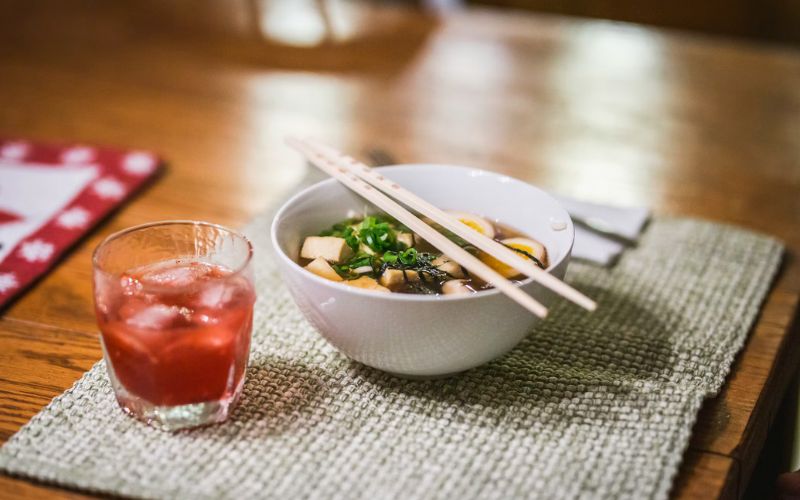
>>> Read More: How to Reheat Frozen Soup (Even When It’s Still Frozen Solid)
3. Can Miso Make Food Taste Better Without Making It Too Salty?
Miso can add remarkable depth to everyday meals, but its concentrated salt content means a little goes a long way. The key is using its natural umami to enhance other ingredients while keeping the overall flavor balanced.
- Start with a small amount: Add one teaspoon of miso at a time, taste the dish, and gradually adjust. Its concentrated savory flavor can make soups, sauces, and marinades more satisfying without requiring large quantities.
- Choose milder miso varieties: White miso generally offers a sweeter, gentler flavor than red miso, making it easier to incorporate into delicate dishes. However, sodium levels vary by product, so check the nutrition label rather than relying on color alone.
- Reduce other salty seasonings: When adding miso, cut back on salt, soy sauce, or salty broth.
- Balance miso with acidic ingredients: Lemon juice, rice vinegar, or a splash of citrus can brighten miso-based sauces and dressings. Acidity creates a refreshing contrast that makes the overall flavor feel less heavy.
- Combine miso with naturally sweet ingredients: Carrots, sweet potatoes, onions, and roasted squash complement miso’s savory intensity. Their natural sweetness helps create a more rounded flavor without relying on added sugar.
- Dilute miso before mixing: Whisk miso with a little warm water or unsalted broth before adding it to soups and sauces.
- Pair miso with mild ingredients: Tofu, mushrooms, rice, and leafy vegetables absorb or complement miso’s savory character without competing with its flavor.
>>> Read More: What Does Tofu Taste Like? How Preparation Methods Transform Its Flavor
4. FAQs about Miso Taste
Miso’s fermented flavor can be surprising, especially if you’re accustomed to ordinary salty seasonings.
If you’re still wondering what does miso taste like, these answers explain its sweetness, occasional sourness, and what to expect when tasting it for the first time.
Can miso taste sweet?
Yes, certain varieties, particularly white miso, have a naturally sweet flavor due to the fermentation of rice koji and the breakdown of starches into sugars.
Why does my miso taste sour?
Miso can develop mild tangy notes through fermentation, depending on its ingredients, microbial activity, and storage conditions.
However, an unusually sharp or unpleasant sour taste, especially alongside visible spoilage or an abnormal odor, may indicate deterioration, so avoid using miso that seems spoiled.
Does miso taste good on its own?
Miso can develop mild tangy notes through fermentation, depending on its ingredients, microbial activity, and storage conditions.
However, an unusually sharp or unpleasant sour taste, especially alongside visible spoilage or an abnormal odor, may indicate deterioration, so avoid using miso that seems spoiled.
Is miso an acquired taste?
Miso can be an acquired taste for people unfamiliar with fermented foods because of its distinctive umami, saltiness, and earthy undertones.
Starting with mild white miso in familiar dishes, such as soups or creamy sauces, can make its flavor easier to appreciate.
5. Final Thoughts
Miso’s savory complexity makes it a versatile ingredient that can add remarkable depth to soups, sauces, dressings, and marinades. The answer to what does miso taste like varies by type, from the mellow sweetness of white miso to the robust, earthy character of darker varieties.
For more fascinating ingredient guides, flavor comparisons, and creative cooking ideas, explore other articles from TeaKoe.