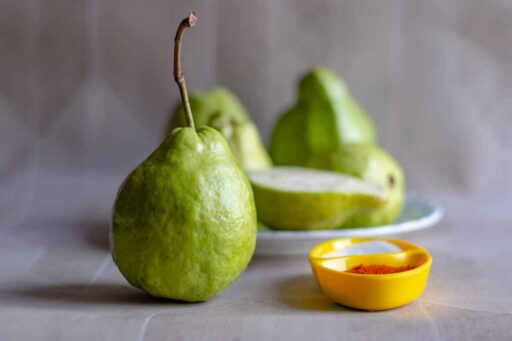
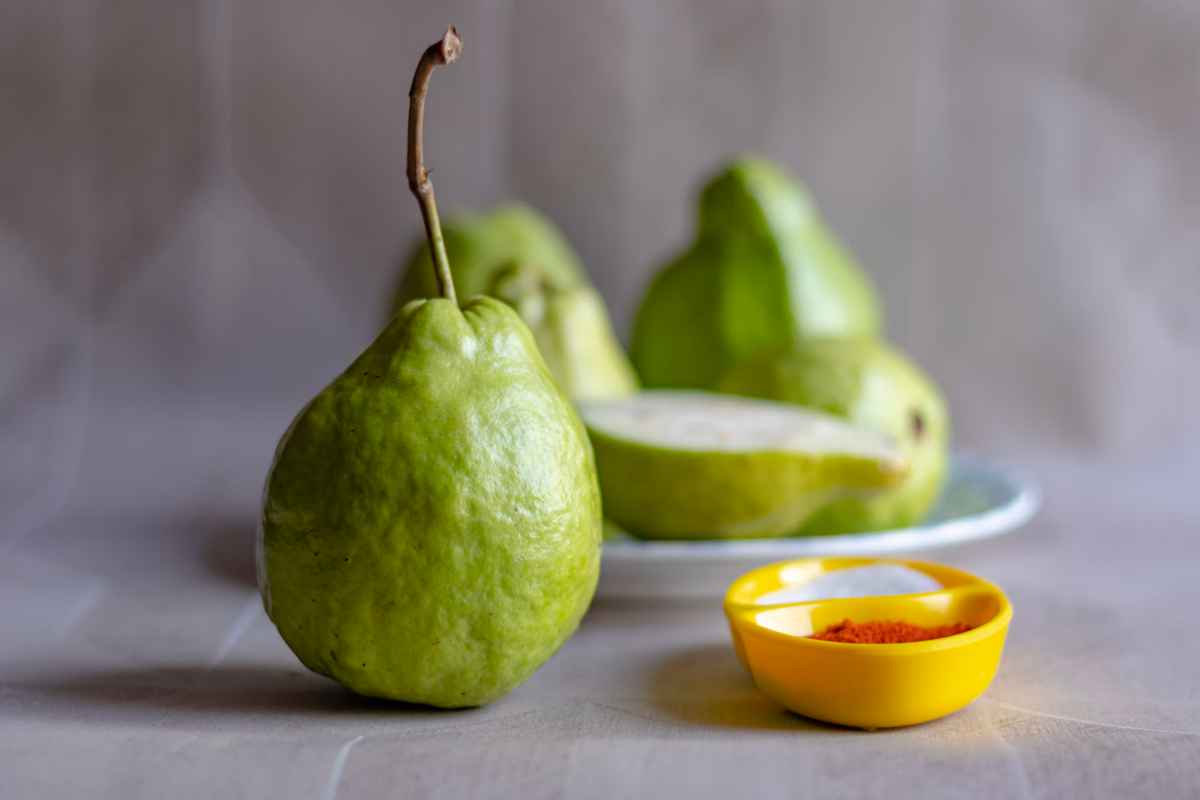

Some guavas taste like a blend of ripe strawberries and juicy pears, while others offer a refreshing tartness with subtle citrus notes. Their distinctive fragrance and texture also change with ripeness and variety, making every bite a little different.
So, what does guava taste like at its best? Follow TeaKoe’s guide below to explore its tropical flavor, recognize the signs of ripeness, and enjoy this fragrant fruit.
1. What Does Guava Taste Like?
Guava has a naturally sweet, refreshing flavor with delicate floral notes and a distinctive tropical aroma. Its taste combines familiar fruity sweetness with subtle tartness, creating a delicious balance that varies depending on the variety and ripeness.
- A blend of familiar fruits: Guava is often described as a combination of pear, strawberry, and apple, with hints of papaya or pineapple. Pink guava typically tastes sweeter and more tropical, while some white varieties have a milder, crisper flavor.
- Distinctive tropical fragrance: Ripe guava releases a rich, sweet, floral aroma that can fill a room before the fruit is even sliced. Its fragrance becomes more pronounced as it ripens, adding to the overall tasting experience.
- Balanced sweetness and tartness: Fully ripe guava offers gentle sweetness with a refreshing, slightly tangy finish. Less ripe fruit tends to be firmer, more acidic, and occasionally astringent, while softer guava usually tastes sweeter and more aromatic.
>>> Read More: Why Does Cilantro Taste Like Soap? The Science Behind the Taste Divide
2. What Are the Health Benefits of Eating Guava?
Beyond its fragrant sweetness, guava delivers an impressive combination of vitamins, fiber, and beneficial plant compounds.
Once you’ve discovered what does guava taste like, its nutritional value offers another compelling reason to add this tropical fruit to your diet.
Supports a Healthy Immune System
Guava is an excellent source of vitamin C, an essential nutrient that supports normal immune function and helps protect cells from oxidative damage. Many guava varieties contain more vitamin C per serving than oranges, making them a particularly nutrient-dense fruit.
Promotes Better Digestive Health
Guava provides dietary fiber, which supports regular bowel movements and helps maintain healthy digestion. Eating the edible skin and flesh allows you to enjoy more of the fruit’s natural fiber.
Fiber also supports beneficial gut bacteria and contributes to a feeling of fullness after meals. Whole guava is generally a better choice than strained guava juice when maximizing fiber intake.
Contributes to Heart Health
Guava contains potassium and dietary fiber, two nutrients associated with cardiovascular health. Beyond discovering what does guava taste like, exploring its nutritional benefits reveals how potassium supports normal blood pressure regulation, while soluble fiber can help maintain healthy cholesterol levels.
The fruit also provides antioxidants that help protect cells from oxidative stress. Although guava is a nutritious addition to a heart-conscious diet, eating it alone cannot prevent or treat heart disease.
Supports Healthy Skin
Guava’s high vitamin C content plays an important role in collagen synthesis, which helps maintain normal skin structure and supports wound healing. Its antioxidant compounds also contribute to protecting cells against damage caused by free radicals.
Pink guava contains carotenoids, including lycopene, that contribute to its distinctive color. Regularly enjoying guava can support overall skin health as part of a varied, nutrient-rich diet.
Helps Maintain Balanced Blood Sugar
Whole guava contains fiber that slows digestion and can help moderate the absorption of carbohydrates. Its natural sweetness makes it a satisfying alternative to desserts with substantial added sugar.
However, guava still contains carbohydrates, so portion sizes matter for people managing blood glucose. Choosing fresh, whole guava instead of sweetened juices or processed guava products generally provides more fiber and fewer added sugars.
3. What Does Guava Taste Similar To?
Beyond its fragrant sweetness, guava delivers an impressive combination of vitamins, fiber, and beneficial plant compounds.
Once you’ve discovered what does guava taste like, its nutritional value offers another compelling reason to add this tropical fruit to your diet.
Supports a Healthy Immune System
Guava is an excellent source of vitamin C, an essential nutrient that supports normal immune function and helps protect cells from oxidative damage.
Many guava varieties contain more vitamin C per serving than oranges, making them a particularly nutrient-dense fruit.
Promotes Better Digestive Health
Guava provides dietary fiber, which supports regular bowel movements and helps maintain healthy digestion. Eating the edible skin and flesh allows you to enjoy more of the fruit’s natural fiber.
Fiber also supports beneficial gut bacteria and contributes to a feeling of fullness after meals. Whole guava is generally a better choice than strained guava juice when maximizing fiber intake.
Contributes to Heart Health
Guava contains potassium and dietary fiber, two nutrients associated with cardiovascular health. Potassium helps support normal blood pressure regulation, while soluble fiber can contribute to maintaining healthy cholesterol levels.
The fruit also provides antioxidants that help protect cells from oxidative stress. Although guava is a nutritious addition to a heart-conscious diet, eating it alone cannot prevent or treat heart disease.
Supports Healthy Skin
Guava’s high vitamin C content plays an important role in collagen synthesis, which helps maintain normal skin structure and supports wound healing. Its antioxidant compounds also contribute to protecting cells against damage caused by free radicals.
Pink guava contains carotenoids, including lycopene, that contribute to its distinctive color. Regularly enjoying guava can support overall skin health as part of a varied, nutrient-rich diet.
Helps Maintain Balanced Blood Sugar
Whole guava contains fiber that slows digestion and can help moderate the absorption of carbohydrates. Its natural sweetness makes it a satisfying alternative to desserts with substantial added sugar.
However, guava still contains carbohydrates, so portion sizes matter for people managing blood glucose.
4. How to Choose Guava Based on the Flavor You Want?
The secret to enjoying guava lies in picking fruit that matches your preferred balance of sweetness, tartness, and texture. Once you understand what does guava taste like at different stages of ripeness, a few simple shopping tips can help you find your ideal guava.
Step 1: Choose the Right Guava Variety
Different guava varieties offer distinct flavor experiences. Pink guava often has a sweeter, more fragrant tropical taste, while many white guavas deliver a milder flavor with a refreshing crunch.
Step 2: Check the Skin Color
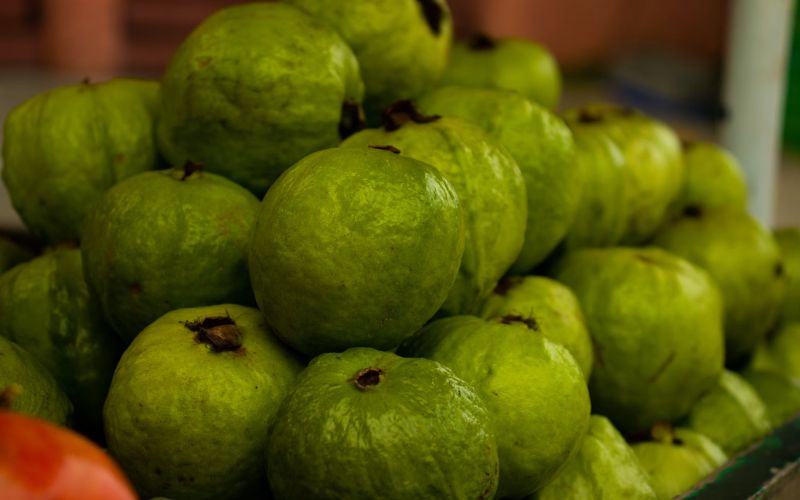
The color of guava skin can reveal a lot about its flavor and ripeness. Many varieties gradually shift from bright green to pale green or yellow as they mature.
Yellowish guavas often taste sweeter and smell more fragrant, while greener ones typically offer a firmer bite and a slightly tart flavor.
Step 3: Gently Test the Firmness
Give the guava a gentle squeeze to evaluate its texture. Firm fruit is ideal for those who enjoy a crisp, slightly tart bite, while guava that yields slightly to pressure is usually sweeter and softer.
Step 4: Smell for Natural Sweetness
Ripe guava often releases a noticeable sweet, floral fragrance, especially near the stem. Fruit with a pleasant tropical aroma is generally a good choice for enjoying fresh or blending into smoothies.
Guavas with little fragrance may need additional ripening, while fermented or unpleasant odors suggest deterioration.
Step 5: Match Ripeness to Your Favorite Recipes
Consider how you plan to enjoy guava before choosing its ripeness. Firm, slightly tart guavas work well in crunchy salads or snacks with chili and salt.
Softer, sweeter guavas are better suited for smoothies, fruit bowls, and desserts because their natural sweetness complements other ingredients.
>>> Read More: What Does Kimchi Taste Like? Fresh vs. Fermented Kimchi
5. FAQs about Guava Taste
There’s more to guava than its sweet tropical flavor, especially when it comes to its crunchy texture, tiny seeds, and distinctive aroma. Here are answers to common questions that can help you enjoy this fruit with confidence.
Is guava supposed to be crunchy?
Yes, guava can be naturally crunchy, especially when it is firm or slightly underripe. As the fruit ripens, its flesh generally becomes softer, juicier, and sweeter, although some varieties remain relatively crisp even when mature.
Can you eat guava seeds and skin?
Yes, both guava skin and seeds are edible, so you can enjoy the whole fruit after washing it thoroughly. The skin provides additional fiber, while the seeds are naturally hard and may be swallowed or chewed according to personal preference.
Does guava taste bitter?
Ripe guava is generally sweet with mild tartness rather than noticeably bitter. However, underripe guava may have a slightly bitter or astringent aftertaste because of naturally occurring compounds, particularly in the skin and less mature flesh.
Can guava taste different after refrigeration?
Yes, refrigeration can make guava seem less aromatic because cold temperatures reduce the release of volatile compounds responsible for its fragrance.
Allowing refrigerated guava to warm slightly before eating can help bring out its natural aroma and make its sweetness more noticeable.
Why does guava sometimes have a musky flavor?
Some guava varieties naturally contain aromatic compounds that create musky, floral, or slightly earthy notes.
These characteristics become more noticeable as the fruit ripens and are part of its distinctive tropical flavor rather than necessarily indicating spoilage.
6. Final Thoughts
One bite of ripe guava reveals why this tropical fruit deserves a place in your kitchen. Its fragrant flesh combines mellow sweetness with a refreshing tang, while different varieties offer their own distinctive flavor profiles.
The question of what does guava taste like has no single answer, but that variety makes it especially enjoyable. From fresh fruit slices to colorful smoothies and chilled teas, guava offers plenty of delicious possibilities. Discover more fruit flavor guides and refreshing beverage inspiration with TeaKoe.